
Camden County is the southernmost county on the Georgia coast. Created by the Georgia Constitution of February 5, 1777, it is the state’s eighth original county.
Camden County combined the colonial parishes of St. Thomas and St. Mary with lands ceded by the Muscogee (Creek) Indians. In 1854 the state legislature incorporated land from Camden County to create Charlton County. Camden County is named for Charles Pratt, earl of Camden (1714-94), chief justice and lord chancellor of England who supported the American colonies before the Revolution (1775-83).
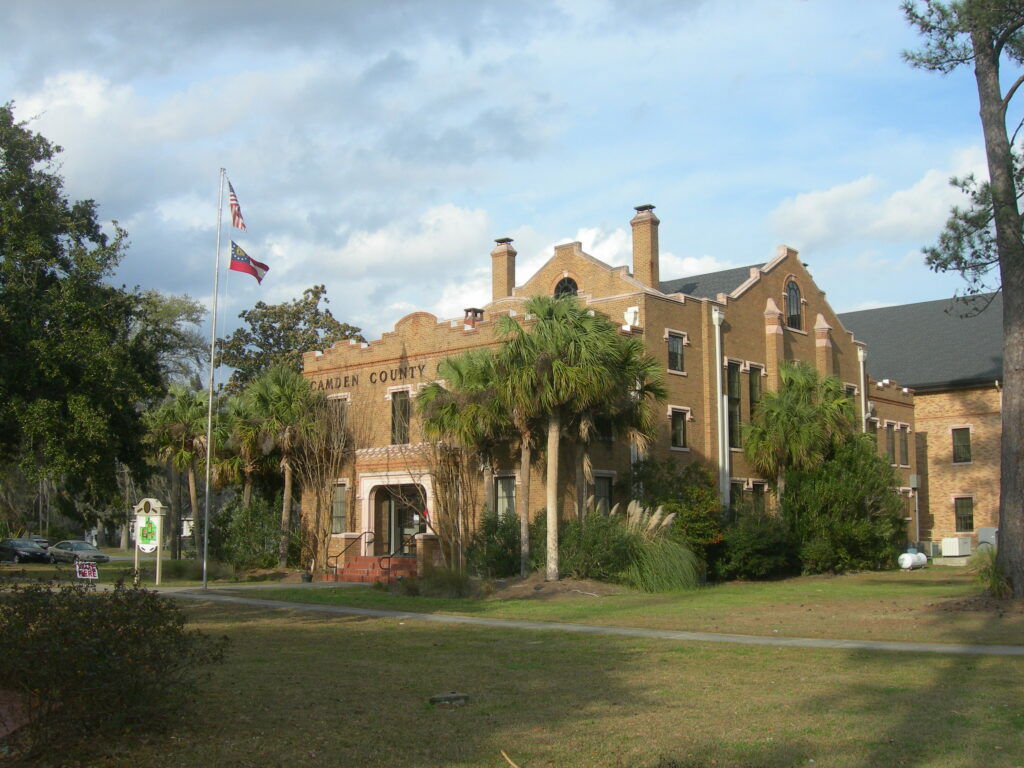
The town of St. Patrick, on the south side of Great Satilla River, was selected as the first county seat in 1787. In 1792 the seat was moved to St. Marys, and in 1800 to Jefferson (later called Jeffersonton), which was at or near the site of St. Patrick. In 1802 a courthouse and jail were built in Jeffersonton. Until the Civil War (1861-65) the community thrived, owing to a large number of plantations along the river cultivating rice, cotton, corn, and other products. With the collapse of the plantation economy after the war, Jeffersonton declined and was mostly abandoned. Today it is considered a dead town, although several families still own homes in the area. In 1872 the county seat returned to St. Marys, where it remained until 1923, when it was moved to its current location in Woodbine.
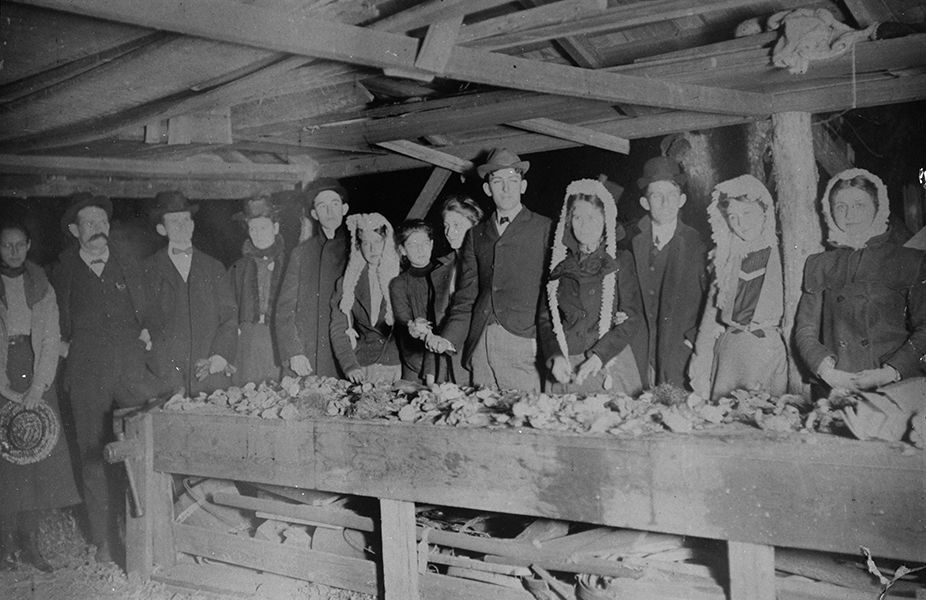
From 1898 until 1902 the county was home to a community of Shakers, who settled on a plantation in White Oak.
In the 1890s Camden County’s economy was bolstered by timber and turpentine products. These evolved to larger commercial pulp-paper manufacturing operations from the 1940s to the present. By the late 1980s Camden was the state’s second leading pulpwood producer, with 72 percent of its lands developed as commercial forest.
The county’s economy was also bolstered in 1881 when steel magnate Thomas Carnegie began purchasing large parts of Cumberland Island to create his Dungeness estate on the south end of the island. Carnegie and his heirs eventually purchased 90 percent of the island and employed more than 300 people in the construction and management of their estates. The Dungeness mansion burned in 1959, but its ruins were stabilized after the island came under the supervision of the National Park Service as the Cumberland Island National Seashore in 1972. In 1975 ferry service began, and commercial development was halted by 1982, after the park service acquired more land.
Tragedy struck the county in 1971, when an explosion ripped through the Thiokol Chemical plant in Woodbine, where local residents produced tripwires for use in the Vietnam War (1964-73). The blast claimed the lives of twenty-nine workers, most of whom were women of color, but despite the grisly toll, survivors would have to wait years to receive recompense from either the company or the U.S. Army.
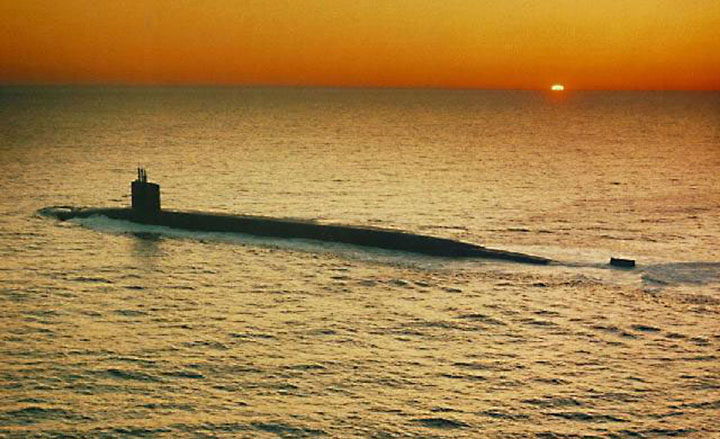
The creation of the Kings Bay Naval Submarine Base has had the largest impact on the growth of Camden County. Construction on the naval base began in 1978, and it was operational a year later. In 1980 the location was selected as the East Coast refit facility and training command for the navy’s fleet of Trident ballistic missile submarines. The first Trident submarine arrived in 1989, and by 2003 Kings Bay employed nearly 9,000 people. The growing population in the county after the opening of Kings Bay resulted in the establishment of the Camden Residence Center, a satellite campus of the College of Coastal Georgia.
According to the 2020 U.S. census, the population of Camden County is 54,768, an increase from the 2010 population of 50,513.
Well-known residents of the county include Charles Rinaldo Floyd, who commanded troops in the Seminole Wars during the 1830s and owned two plantations in the county. Confederate lieutenant general William J. Hardee was born and raised in Camden County.


