
Washington, the seat of Wilkes County, is located in the Piedmont region of east central Georgia. About fifty-five miles northwest of Augusta and forty-three miles east of Athens, Washington has a land area of almost eight square miles. According to the 2020 U.S. census, the population was 3,754.
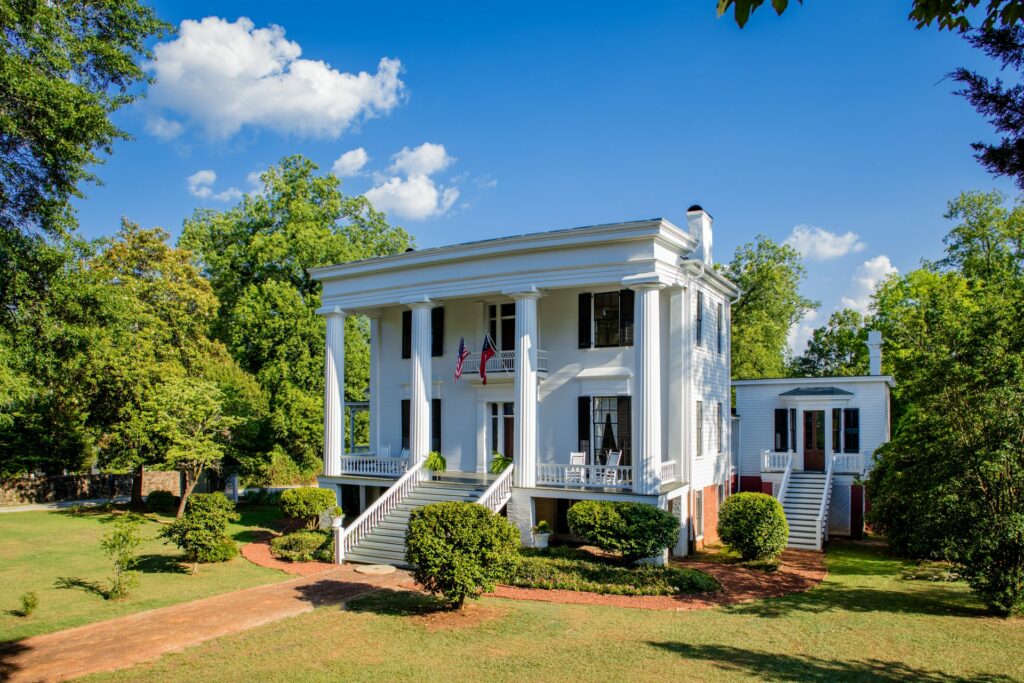
Reputedly the first place in the United States named for U.S. president George Washington, the community was originally called Heard’s Fort after the family that settled it in 1773. The town was incorporated in 1805. Washington claims more antebellum homes than any other city of its size in Georgia. Among them is the home of Robert Toombs, former U.S. senator and Confederate cabinet officer, congressman, and general. The Toombs House dates from 1797 and is a state historic site. The Semmes-Colley house, built about 1838, was where the first Catholic Mass in Washington was celebrated, in 1853.
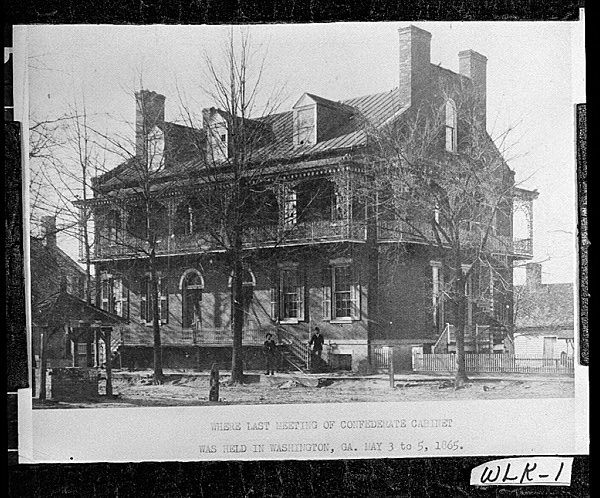
In May 1865 Confederate president Jefferson Davis and his entourage held their last cabinet meeting in Washington’s State of Georgia Bank building, later the B. W. Heard residence. That structure was torn down to make way for the current county courthouse, built in 1904. Holly Court (begun in 1817), the former home of Fielding Ficklen, is where Davis’s wife, Varina, and her children stayed in 1865 as they traveled south ahead of Davis. It was later converted into a bed-and-breakfast inn. The fabled “Confederate gold” was stored in Washington in April and May 1865 before being moved out of the city and then disappearing under mysterious circumstances. The vault where the gold was kept survives in the basement of a store on the south end of the town square.
Also noteworthy is the Mary Willis Library, a unit of the Bartram Trail Regional Library System, housed in a building of Victorian architecture with a Tiffany stained-glass window featuring a likeness of Mary Willis. Opened in 1888, it was the first free public library in the state. In 1803 Sarah Hillhouse of the Monitor became the first woman newspaper editor in Georgia.
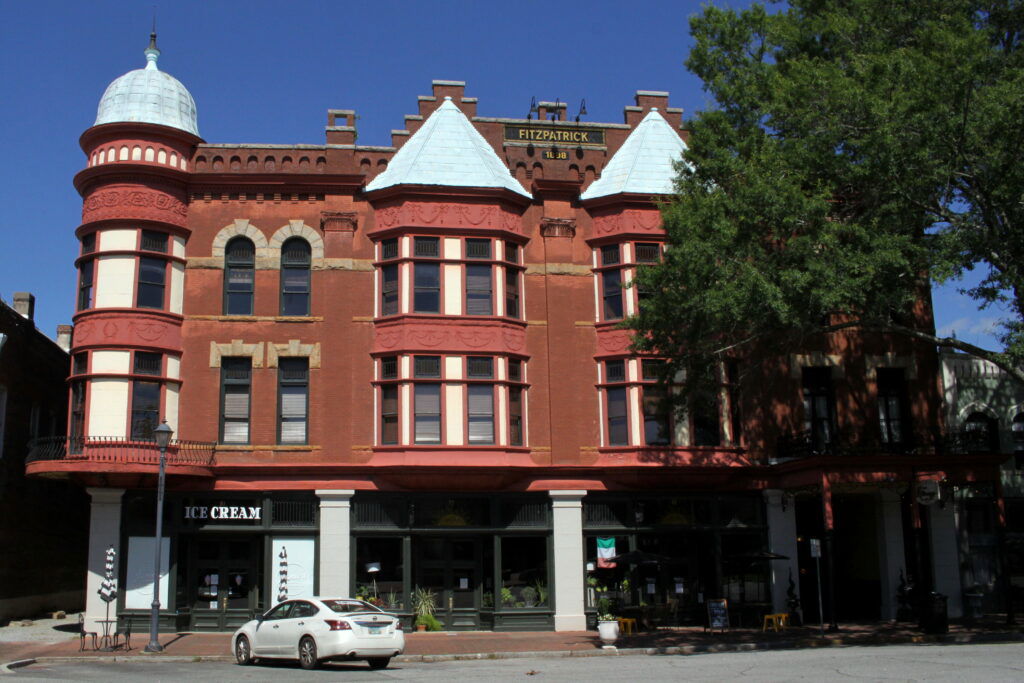
Other places of interest include six-acre Fort Washington Park, located just behind the courthouse on the approximate site of the original fort, and the Washington Historical Museum. The 2004 renovation and reopening of the Fitzpatrick Hotel on the square, originally built in 1898, was a catalyst for downtown revitalization, and tourism now plays a major role in the city’s economy. Three-thousand-acre Callaway Plantation, about five miles outside Washington, is operated by the city as a historic restoration project. The Callaway manor house dates from 1869.
The 250-acre Washington-Wilkes Industrial Park is located at the southern end of the city and is connected by rail spur to the CSX railroad system. Local industry includes the manufacture of plastic, wood, and paper products; polyethylene film; fiberglass; and fabrics. Washington has a hospital, Wills Memorial; a weekly newspaper, the News-Reporter; and two radio stations. In 2007 the Pope Center, a 9,000-square-foot meeting and event facility, opened.
The Wilkes County School System operates four schools, all of them in Washington.


