Screven County, located in the Coastal Plain of Georgia, was created on December 14, 1793, as the state’s fourteenth county.
The county was named for General James Screven, who served as a commander in Savannah during the Revolutionary War (1775-83) and was a veteran of the Battle of the Riceboats. The county was carved out of the lower part of Burke County and the upper part of Effingham County, and originally included Bulloch County and parts of Emanuel and Jenkins counties. Rocky Ford was designated as the first county seat in 1793 but was replaced by Jacksonborough in 1797.
The original inhabitants of the area were Yuchi Indians. The first European settlers of Screven County were Germans who arrived in 1751. They were followed two years later by native-born American settlers who came mainly from the Carolinas and Virginia. In 1763, at the Southern Indian District Congress in Augusta, the Indians ceded the land between the Savannah River and the Ogeechee River. When the American Revolution began, what would later become Screven County was divided between St. Mathew Parish and St. George Parish.
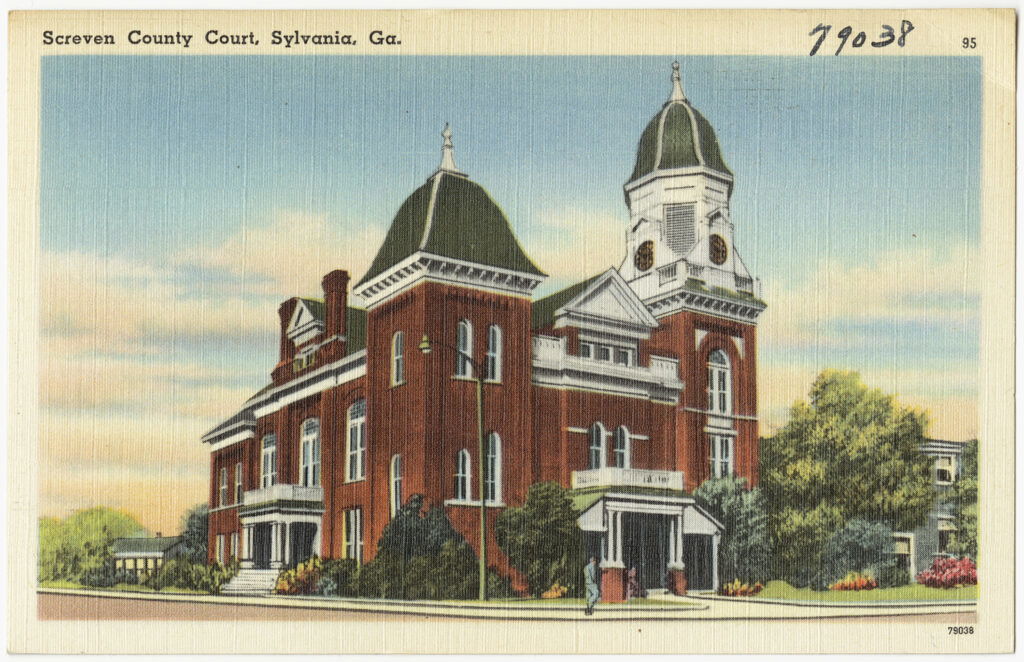
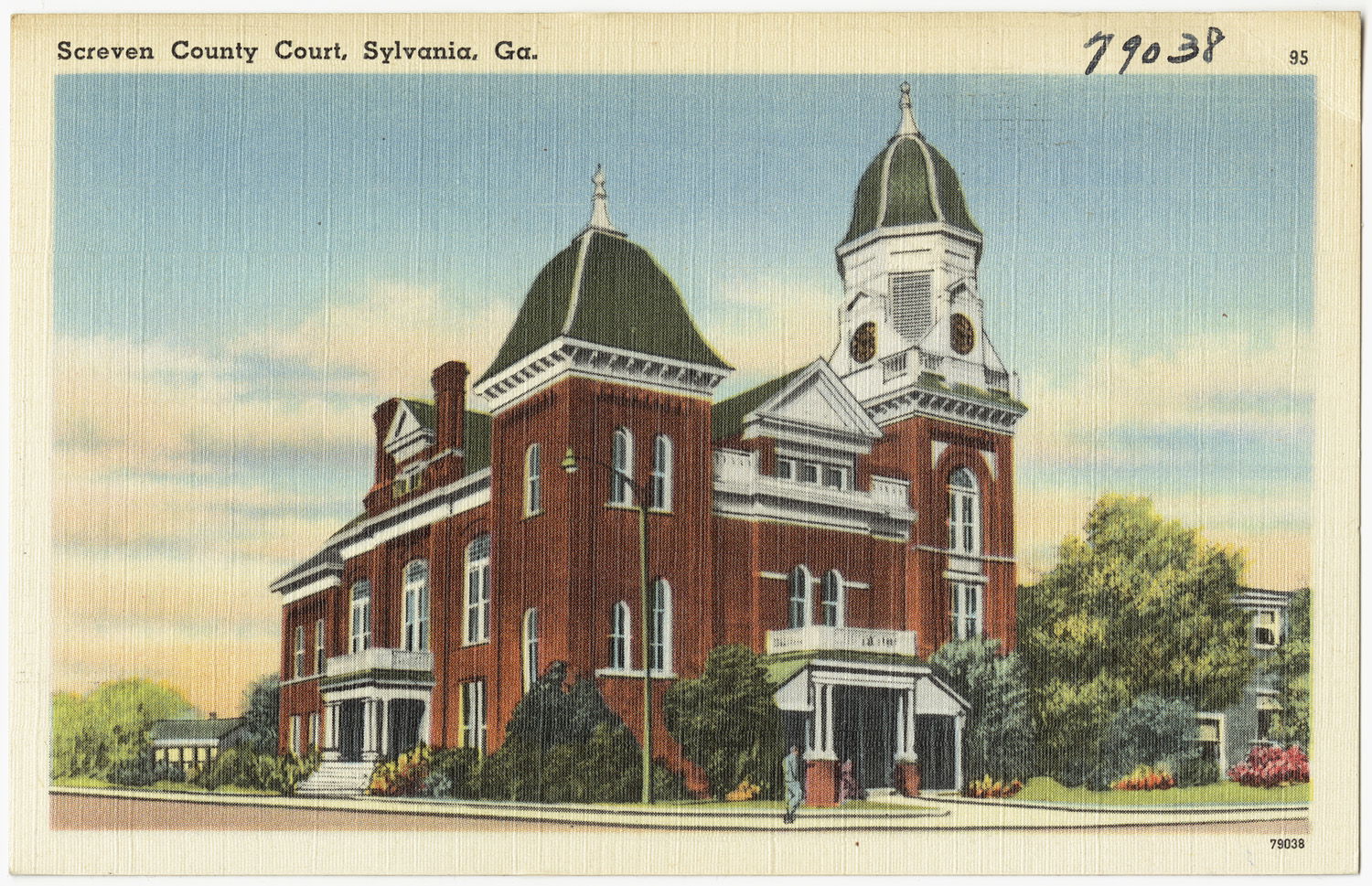
The county government was originally situated in Jacksonborough but moved to Sylvania by an act of the state legislature in 1847. The act authorized the commissioners to make a plat of the town and sell the lots not needed for public buildings and parks to provide funds for a new courthouse and jail. The reason for moving the county seat is unclear but, according to legend, may be the result of a curse placed on the town by Lorenzo Dow, a Methodist preacher who was treated badly while visiting Jacksonborough.
The Battle of Briar Creek in 1779 was a major event in Screven County’s history. Although American forces lost the battle, it is believed to have been a critical campaign during the Revolution. Another major event occurred in 1791, when U.S. president George Washington visited the area as part of his mission to travel to all thirteen existing states.
Prominent residents of Screven County have included Edward Junius Black, who was elected to the U.S. House of Representatives in 1839; J. R. McKinney, Georgia’s most decorated hero of World War II (1941-45); and Bucky Dent, the Major League Baseball legend and Most Valuable Player in the 1978 World Series.
Screven County claims a number of interesting sites: one of the nation’s largest persimmon trees, located in the Tuckahoe Wildlife Management Area; Robbin’s Grist Mill, built in 1803 and located south of Sylvania; Millhaven Plantation, one of the largest farms east of the Mississippi River; and the artesian wells at Rocky Ford. The first Georgia visitors’ center was built in Screven County in 1962.
In 1905 Jenkins County was created out of portions of Screven, Burke, Bulloch, and Emanuel counties, leaving Screven with an area of 648 square miles. According to the 2020 U.S. census, the population of Screven County was 14,067.