
Liberty County, located on the Georgia coast, was one of the seven Georgia counties created from the original colonial parishes.
The Guale Indians inhabited that area from prehistoric times, and in the eighteenth century the tribe became a part of the Muskogee (Creek) Confederation. The Spanish placed a mission on St. Catherines Island, known as Mission Santa Catalina de Guale, in the late sixteenth century among the Guale Indians. In the early 1750s English settlers, including a group of Congregationalists from Dorchester, South Carolina, located in the area between the Medway and Newport rivers.
Shortly before the American Revolution (1775-83), a number of people who later became prominent in the new state and republic settled in Liberty County, including Nathan Brownson, Mark Carr, James Dunwoody, John Elliott Sr., Button Gwinnett, Lyman Hall, Lachlan McIntosh, James Screven, and Daniel Stewart. In the 1770s William Bartram traveled through the area during his famous expedition.
In 1775 St. John’s Parish, one of three parishes that would eventually make up Liberty County, was the first area in Georgia to send a representative to the Continental Congress in Philadelphia, Pennsylvania. In that year the citizens of St. John’s Parish gathered in the Congregational Church in Midway, where they elected Lyman Hall to represent them in the Continental Congress. They sent several wagonloads of rice with him to feed the Continental troops surrounding Boston, Massachusetts. Because St. John’s Parish was the first in Georgia to vote for liberty, the new county created from this parish on February 5, 1777, was given the name Liberty.
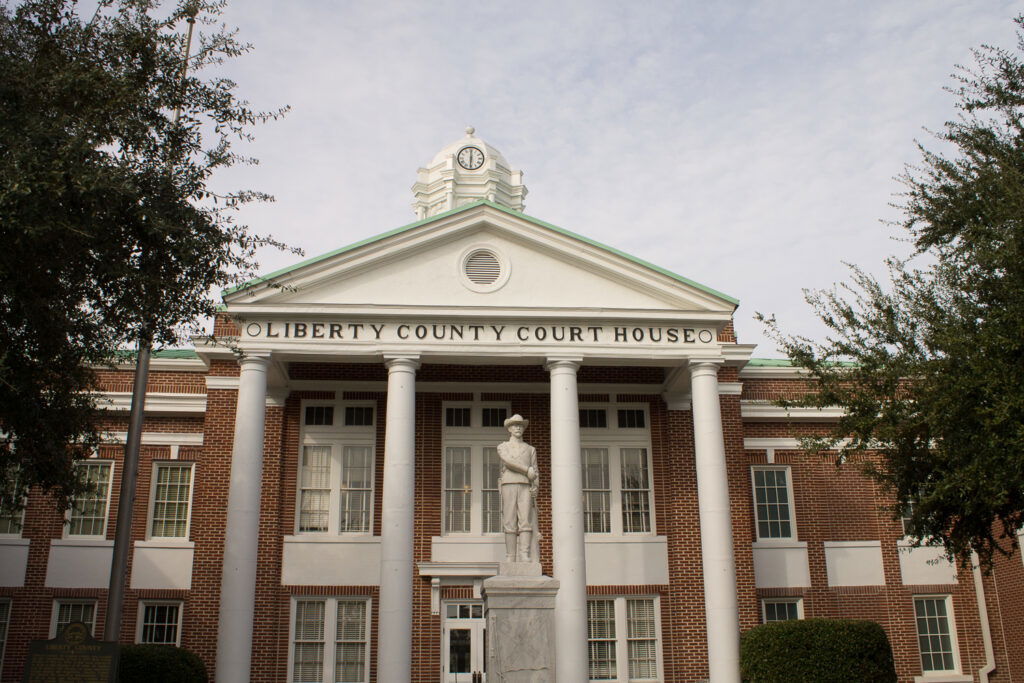
The seaport of Sunbury was established in 1758 and was the county seat of Liberty until 1798. During the Revolution, Sunbury and adjacent Fort Morris were captured by the British in 1779. The British remained in control of Sunbury and the surrounding area until the end of the war. At the time of their evacuation, British troops burned both Sunbury and Fort Morris. In 1798 the seat of Liberty County moved to Riceboro and in 1836 to its present location, Hinesville.
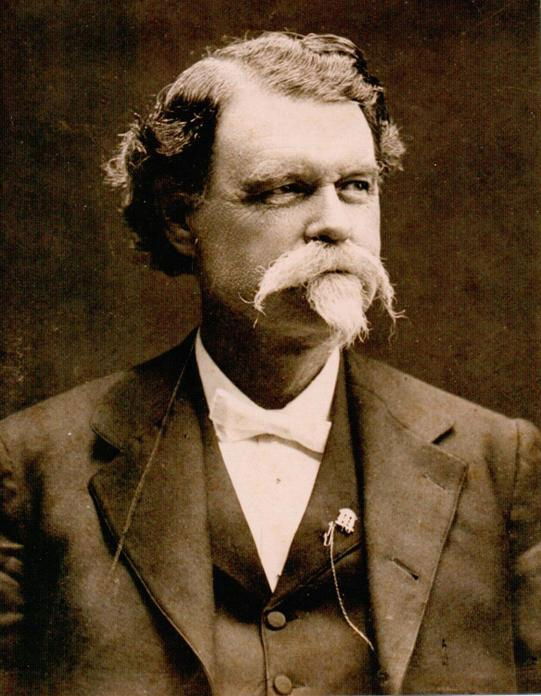
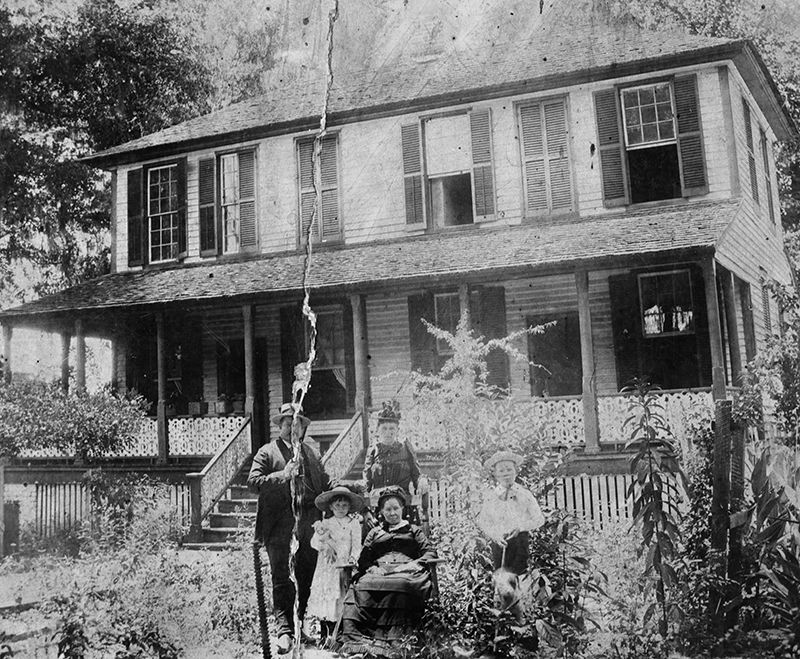
During the antebellum period Liberty County was the site of many rice and cotton plantations. During these years, agriculturalist and journalist William Louis Jones, African American educator Susie Taylor King, and Baptist minister Patrick Hues Mell were born in the county, while prominent citizens of the time included Roswell King, Charles C. Jones Jr., and brothers John and Joseph LeConte.
During the Civil War (1861-65) Liberty County and Sunbury again became the back door to the conquest of Savannah when Union troops under General William T. Sherman arrived in December 1864 on the March to the Sea. After the war, timber and turpentine industries replaced cotton and rice plantations, and continue to be the mainstays of the economy. Educational institutions for both whites (Bradwell Institute) and freedpeople (Dorchester Academy) sprang up in the county. Bradwell Institute, founded by Samuel Dowse Bradwell, remains as one of the two county high schools. Dorchester Academy operated as a school for African Americans until the World War II period (1941-45). The structure was used in 1963 by Martin Luther King Jr. and other civil rights leaders to coordinate their efforts to end segregation in Birmingham, Alabama.
In 1940 a large section of northern Liberty County was purchased by the U.S. government for use as a military base. Fort Stewart, home of the Army’s Third Infantry Division, remains a major Liberty County employer and has a significant economic impact on this area.
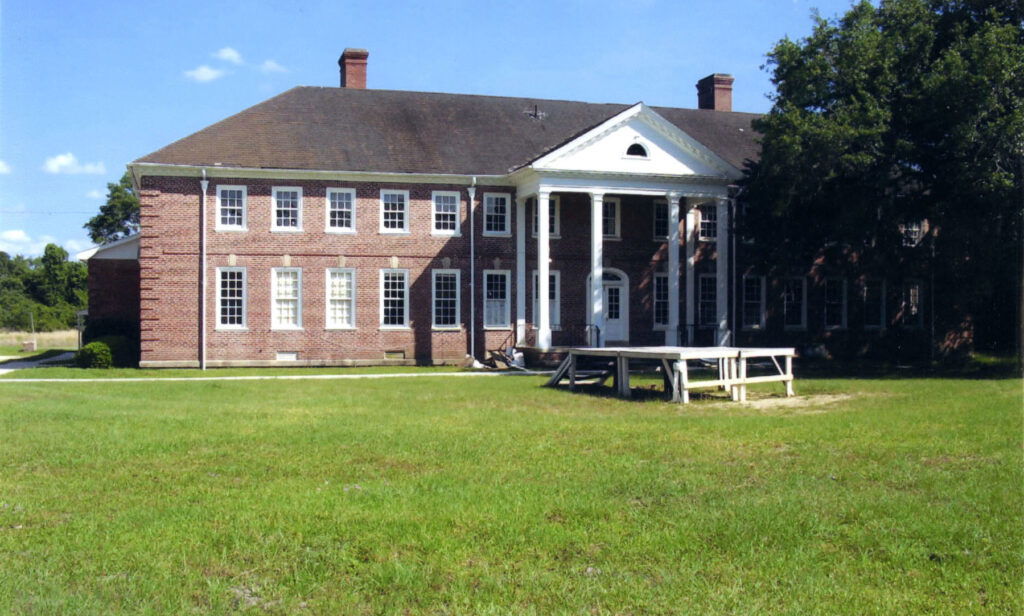
A lack of development in more than 200 years has left many of the county’s historic structures intact. A shift in the late twentieth century from an agricultural economy to more modern development endangers these sites but brings economic opportunity. The challenge facing the county today is how to preserve its heritage while encouraging prosperity for its citizens.
According to the 2020 U.S. census, Liberty County has a population of 65,256.


