Skip to content
New Georgia Encyclopedia
  • Home
  • Articles & Media
  • Browse by Topic
  • Browse Collections
  • Browse Georgia Standards
  • A-Z Index
  • Exhibitions
  • Educators
  • Browse    Chevron down
  • Exhibitions
  • Educators
By Topic Content Collections Georgia Standards A-Z Index Arrow right
  • Arts & Culture

    Arts & Culture

  • Business & Economy

    Business & Economy

  • Counties, Cities & Neighborhoods

    Counties, Cities & Neighborhoods

  • Education

    Education

  • Geography & Environment

    Geography & Environment

  • Government & Politics

    Government & Politics

  • History & Archaeology

    History & Archaeology

  • People

    People

  • Science & Medicine

    Science & Medicine

  • Sports & Outdoor Recreation

    Sports & Outdoor Recreation

Frankie Welch’s Americana
Featured

Frankie Welch’s Americana

Fashion and politics from Georgia-born designer Frankie Welch

Stamp Collection
Featured

Stamp Collection

Stamps honoring the political figures, artists, and culture of Georgia.

Recently Added
View All Arrow right
City Page: Atlanta

City Page: Atlanta

Stamp Collection

Stamp Collection

Frankie Welch’s Americana

Frankie Welch’s Americana

  • Georgia Studies

    Georgia Studies

    Eighth Grade
  • Georgia, My State

    Georgia, My State

    Second Grade
All Topics Arrow right People Arrow right

Architects

Richard Aeck

Richard Aeck

1912-1996
Cecil Alexander

Cecil Alexander

1918-2013
A. Thomas Bradbury

A. Thomas Bradbury

1902-1992
Charles E. Choate

Charles E. Choate

1865-1929
Charles B. Cluskey

Charles B. Cluskey

ca. 1808-1871
Edward Daugherty

Edward Daugherty

1926-2025
W. F. Denny

W. F. Denny

1874-1905
W. T. Downing

W. T. Downing

1865-1918
Henrietta Dozier

Henrietta Dozier

1872-1947
George T. Heery

George T. Heery

1927-2021
William Jay

William Jay

ca. 1792-1837
Horace King

Horace King

1807-1885
Ellamae Ellis League

Ellamae Ellis League

1899-1991
Clermont Lee

Clermont Lee

1914-2006
P. Thornton Marye

P. Thornton Marye

1872-1935
John Norris

John Norris

1804-1876
G. L. Norrman

G. L. Norrman

1848-1909
Frederick Law Olmsted in Georgia

Frederick Law Olmsted in Georgia

William H. Parkins

William H. Parkins

1836-1894
William C. Pauley

William C. Pauley

1893-1985
Daniel Pratt

Daniel Pratt

1799-1873
G. Lloyd Preacher

G. Lloyd Preacher

1882-1972
Neel Reid

Neel Reid

1885-1926
J. W. Robinson

J. W. Robinson

1927-2008
Collin Rogers

Collin Rogers

1791-1845
John Wellborn Root

John Wellborn Root

1850-1891
Philip Trammell Shutze

Philip Trammell Shutze

1890-1982
Francis Palmer Smith

Francis Palmer Smith

1886-1971
Leila Ross Wilburn

Leila Ross Wilburn

1885-1967
Loading
Star

Featured Content

Harriet Powers

Harriet Powers

People
Civil Rights Movement

Civil Rights Movement

Mid- to Late 20th Century Topics
Trending

Trending

Ted Turner

Ted Turner

People
Georgia Guidestones

Georgia Guidestones

Sites & Museums
CNN

CNN

Television
James D. Bulloch

James D. Bulloch

People
Clock

Updated Recently

Morris Brown College

Morris Brown College

2 days ago
Burke County

Burke County

2 days ago
CNN

CNN

2 days ago
Ted Turner

Ted Turner

1 week ago

A More Perfect Union

The New Georgia Encyclopedia is supported by funding from A More Perfect Union, a special initiative of the National Endowment for the Humanities.

Learn More
New Georgia Encyclopedia
ISSN 2765-8732
Project Partners
logo-press UGA Press logo-galileo GALILEO logo-humanities Georgia Humanities logo-seal Office of the Governor logo-libraries UGA Libraries
Articles & Media
  • Browse by Topic
  • Content Collections
  • Georgia Standards
Special Content
  • Quizzes
  • Exhibitions
  • Spotify Playlists
  • Georgia Exhibits
  • Educator Resources
About
  • The Project
  • The People
  • Sponsors & Partners
Editorial
  • Our Process
  • Contributor Info
  • Permissions & Use
Stay in Touch
Facebook Instagram Twitter Contact Us
Donate to the NGE

Your support helps us commission new entries and update existing content.

Donate

© 2004–2026 Georgia Humanities, University of Georgia Press

  • Terms of Use
  • Privacy Policy

Media gallery

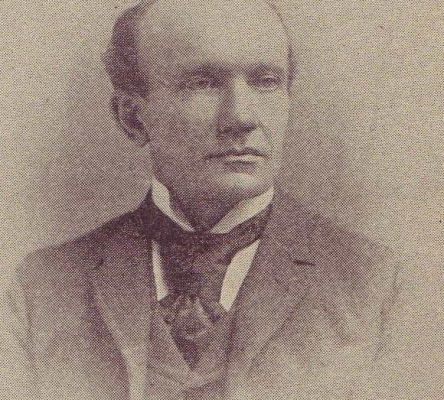
Cecil Alexander

Cecil Alexander

  • Info Details
  • Citation Terms of Use

As part of the top 10 percent of naval aviators, Cecil Alexander volunteered for the marines and became a dive bomber pilot during World War II. The future Atlanta architect flew a total of sixty missions and was twice awarded the Distinguished Flying Cross.

Courtesy of Cecil Alexander
The New Georgia Encyclopedia does not hold the copyright for this media resource and can neither grant nor deny permission to republish or reproduce the image online or in print. All requests for permission to publish or reproduce the resource must be submitted to the rights holder.

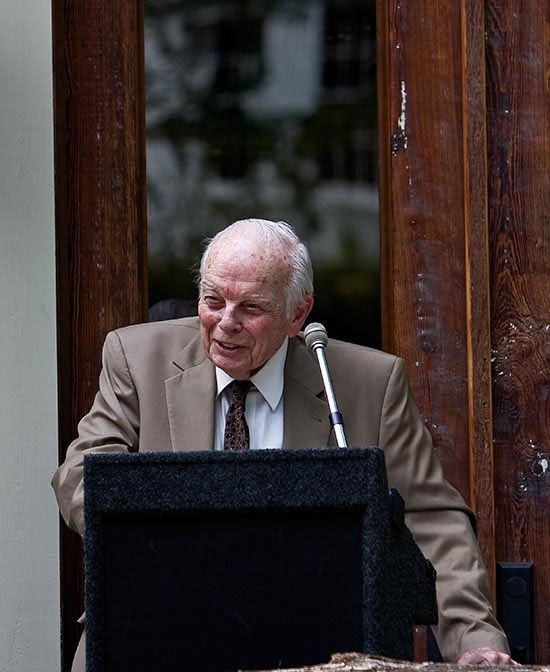
Cecil Alexander

Cecil Alexander

  • Info Details
  • Citation Terms of Use

A prominent Atlanta architect and principal of the FABRAP architectural firm before his retirement, Cecil Alexander was a leader in the movement to desegregate Atlanta's public housing and businesses. He is pictured in 2008.

Reprinted by permission of Stephen H. Moore (http://www.shmoore.com/)
The New Georgia Encyclopedia does not hold the copyright for this media resource and can neither grant nor deny permission to republish or reproduce the image online or in print. All requests for permission to publish or reproduce the resource must be submitted to the rights holder.

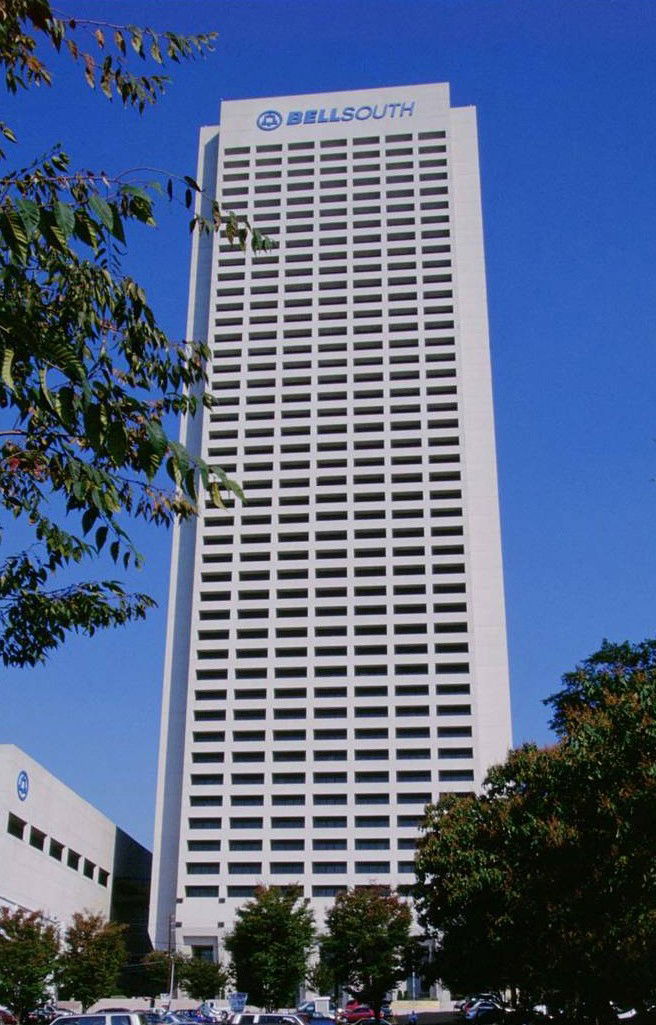
BellSouth Telecommunications Building

BellSouth Telecommunications Building

  • Info Details
  • Citation Terms of Use

The BellSouth Telecommunications Building, located at 675 West Peachtree Street in Atlanta, was built in 1980 by the Atlanta-based firm FABRAP, in conjunction with Skidmore Owings and Merrill of New York. It served as headquarters for both Southern Bell and BellSouth. In 2006 BellSouth was absorbed by AT&T, and today the building is part of the AT&T Midtown Center.

Courtesy of AT&T
The New Georgia Encyclopedia does not hold the copyright for this media resource and can neither grant nor deny permission to republish or reproduce the image online or in print. All requests for permission to publish or reproduce the resource must be submitted to the rights holder.

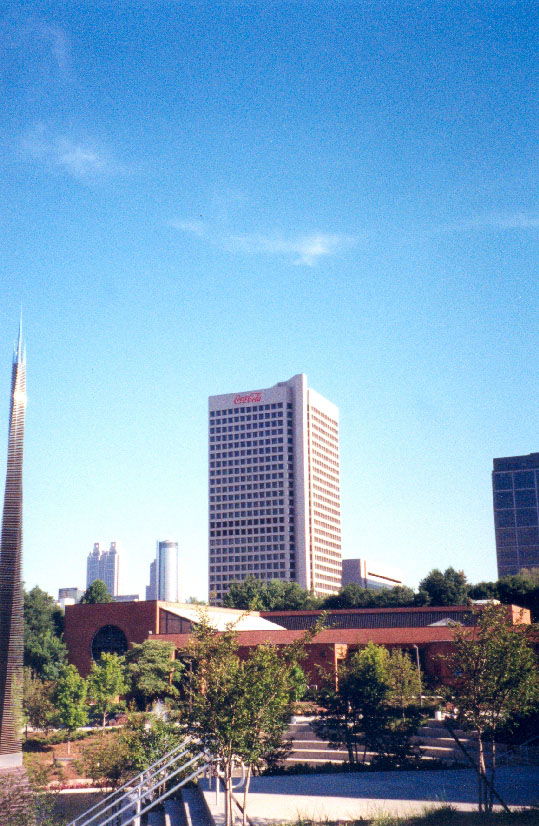
Coca-Cola Headquarters

Coca-Cola Headquarters

  • Info Details
  • Citation Terms of Use

Coca-Cola's headquarters in Atlanta, designed by the architectural firm FABRAP, house the corporate offices as well as the offices for the Coca-Cola Foundation.

Photograph by David A. Pike
The New Georgia Encyclopedia does not hold the copyright for this media resource and can neither grant nor deny permission to republish or reproduce the image online or in print. All requests for permission to publish or reproduce the resource must be submitted to the rights holder.

Atlanta-Fulton County Stadium

Atlanta-Fulton County Stadium

  • Info Details
  • Citation Terms of Use

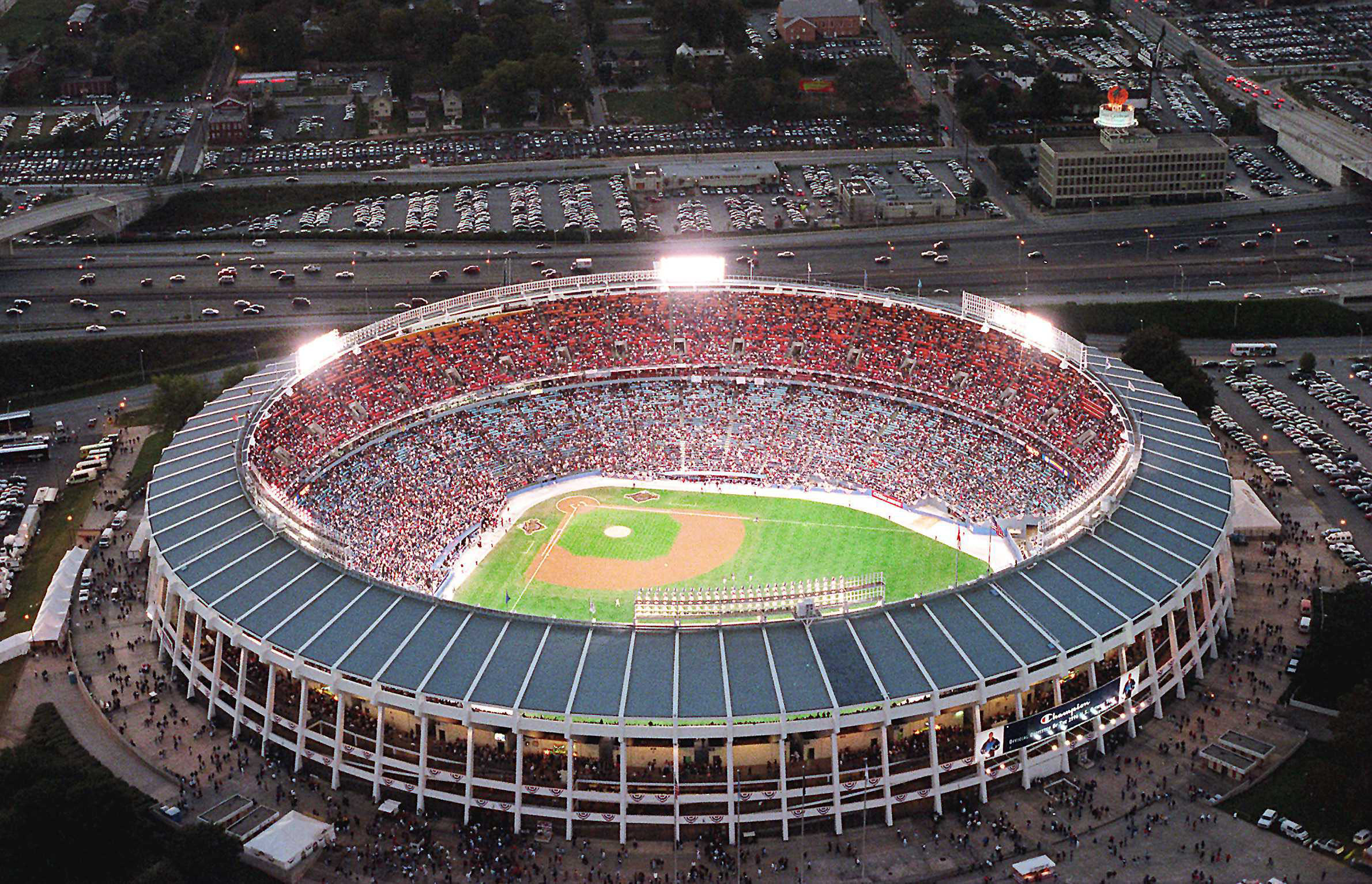
The Atlanta-Fulton County Stadium hosts the opening night of the World Series in October 1995. The stadium, jointly designed by the architecture firms FABRAP and Heery and Heery, was completed in 1965 and attracted two professional teams, the Atlanta Braves and the Atlanta Falcons, to the city.

Courtesy of Atlanta Journal-Constitution.
The New Georgia Encyclopedia does not hold the copyright for this media resource and can neither grant nor deny permission to republish or reproduce the image online or in print. All requests for permission to publish or reproduce the resource must be submitted to the Atlanta Journal-Constitution.

Helen and Cecil Alexander

Helen and Cecil Alexander

  • Info Details
  • Citation Terms of Use

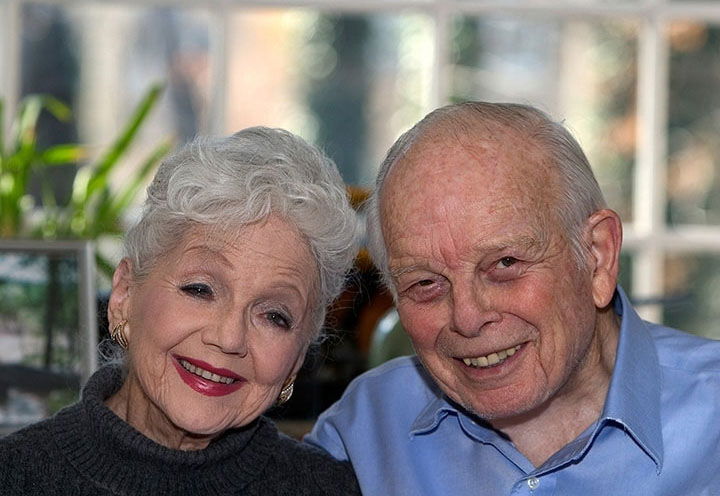
The architect Cecil Alexander, a founding partner of the firm FABRAP, and his second wife, Helen, pictured at their home in Atlanta in 2007.

Reprinted by permission of Stephen H. Moore (http://www.shmoore.com/)
The New Georgia Encyclopedia does not hold the copyright for this media resource and can neither grant nor deny permission to republish or reproduce the image online or in print. All requests for permission to publish or reproduce the resource must be submitted to the rights holder.

Southern Bell Telephone Building

Southern Bell Telephone Building

  • Info Details
  • Citation Terms of Use

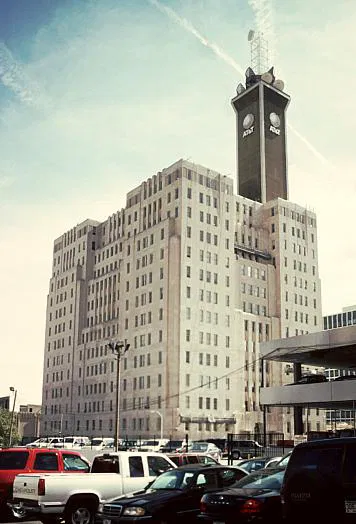
The original Southern Bell Telephone Building in Atlanta, pictured in 2008, was designed by architect P. Thornton Marye in the late 1920s. The art deco-style building was advertised as the city's "first modernistic skyscraper." The building's original six stories were extended to fourteen in the 1940s and topped with a tower in the 1960s.

Photograph by Mary Ann Sullivan
The New Georgia Encyclopedia does not hold the copyright for this media resource and can neither grant nor deny permission to republish or reproduce the image online or in print. All requests for permission to publish or reproduce the resource must be submitted to the rights holder.

Atlanta Terminal Station

Atlanta Terminal Station

  • Info Details
  • Citation Terms of Use

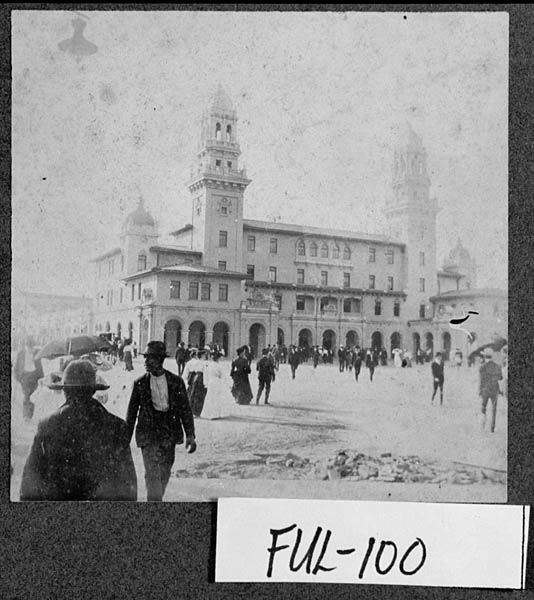
The Atlanta Terminal Station, pictured circa 1905, was designed in a Renaissance revival style by architect P. Thornton Marye. The structure, a pioneer work in reinforced concrete, was razed in 1971.

Courtesy of Georgia Archives, Vanishing Georgia, #
ful0100.
View on partner site

The New Georgia Encyclopedia does not hold the copyright for this media resource and can neither grant nor deny permission to republish or reproduce the image online or in print. Requests for permission to publish or reproduce the resource should be submitted to the Georgia Archives.

  • Info Details
  • Citation Terms of Use

The New Georgia Encyclopedia does not hold the copyright for this media resource and can neither grant nor deny permission to republish or reproduce the image online or in print. All requests for permission to publish or reproduce the resource must be submitted to the rights holder.

St. Luke’s Episcopal Church

St. Luke’s Episcopal Church

  • Info Details
  • Citation Terms of Use

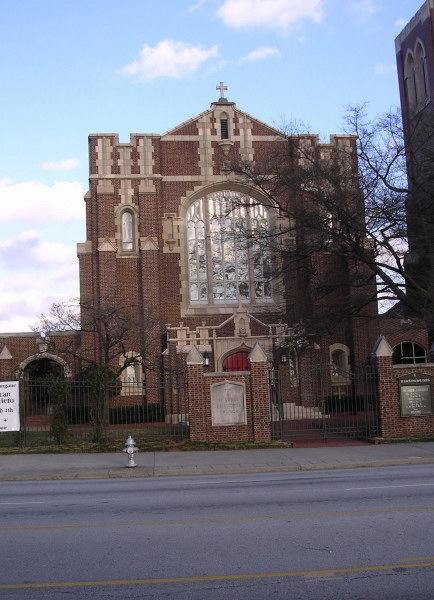
St. Luke's Episcopal Church in Atlanta, pictured in 2005, was built in 1906. The church was designed in the Gothic revival style by architect P. Thornton Marye, in association with A. Ten Eyck Brown.

Courtesy of Atlanta Time Machine
The New Georgia Encyclopedia does not hold the copyright for this media resource and can neither grant nor deny permission to republish or reproduce the image online or in print. All requests for permission to publish or reproduce the resource must be submitted to the rights holder.

Fox Theatre

Fox Theatre

  • Info Details
  • Citation Terms of Use

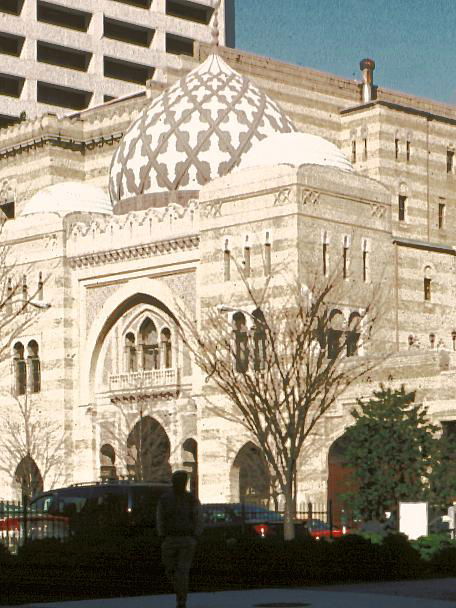
The Fox Theatre in Atlanta, pictured from the south in 2002, was originally designed as the Yaraab Temple by the architectural firm Marye, Alger, and Vinour. The building opened as a theater in 1929.

Photograph by Mary Ann Sullivan

The New Georgia Encyclopedia does not hold the copyright for this media resource and can neither grant nor deny permission to republish or reproduce the image online or in print. All requests for permission to publish or reproduce the resource must be submitted to the rights holder.

Atlanta City Hall

Atlanta City Hall

  • Info Details
  • Citation Terms of Use

Atlanta City Hall, pictured in 1942, was designed by G. Lloyd Preacher in the neo-Gothic style. Completed in 1930, the building stands at the corner of Washington and Mitchell streets.

Courtesy of Georgia Archives, Vanishing Georgia, # ful0154.
View on partner site

The New Georgia Encyclopedia does not hold the copyright for this media resource and can neither grant nor deny permission to republish or reproduce the image online or in print. Requests for permission to publish or reproduce the resource should be submitted to the Georgia Archives.

University Hospital

University Hospital

  • Info Details
  • Citation Terms of Use

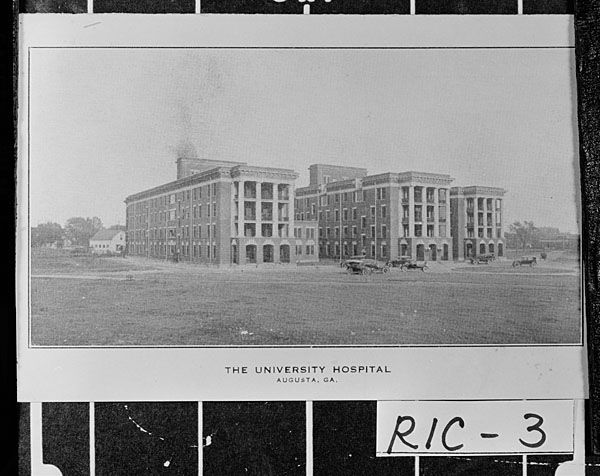
University Hospital in Augusta, pictured in the 1920s, was designed by Atlanta architect G. Lloyd Preacher. The building was completed in 1915 and razed in 1991.

Courtesy of Georgia Archives, Vanishing Georgia, #
ric003.

View on partner site

The New Georgia Encyclopedia does not hold the copyright for this media resource and can neither grant nor deny permission to republish or reproduce the image online or in print. Requests for permission to publish or reproduce the resource should be submitted to the Georgia Archives.

Briarcliff Hotel

Briarcliff Hotel

  • Info Details
  • Citation Terms of Use

Architect G. Lloyd Preacher's Briarcliff Hotel, also known as the "Seven Fifty," was built in Atlanta on the corner of Ponce de Leon and North Highland avenues in 1924-25.

Courtesy of Atlanta Journal-Constitution.

The New Georgia Encyclopedia does not hold the copyright for this media resource and can neither grant nor deny permission to republish or reproduce the image online or in print. All requests for permission to publish or reproduce the resource must be submitted to the Atlanta Journal-Constitution.

Georgia Dome

Georgia Dome

  • Info Details
  • Citation Terms of Use

The Georgia Dome in Atlanta was designed by architect George T. Heery's firm in collaboration with Rosser Fabrap International (formerly FABRAP). Completed in 1992 and demolished in 2017, the stadium was home to the Atlanta Falcons football team and also served as a venue for numerous other events.

Image from Michael Barera

The New Georgia Encyclopedia does not hold the copyright for this media resource and can neither grant nor deny permission to republish or reproduce the image online or in print. All requests for permission to publish or reproduce the resource must be submitted to the rights holder.

Georgia Power Building

Georgia Power Building

  • Info Details
  • Citation Terms of Use

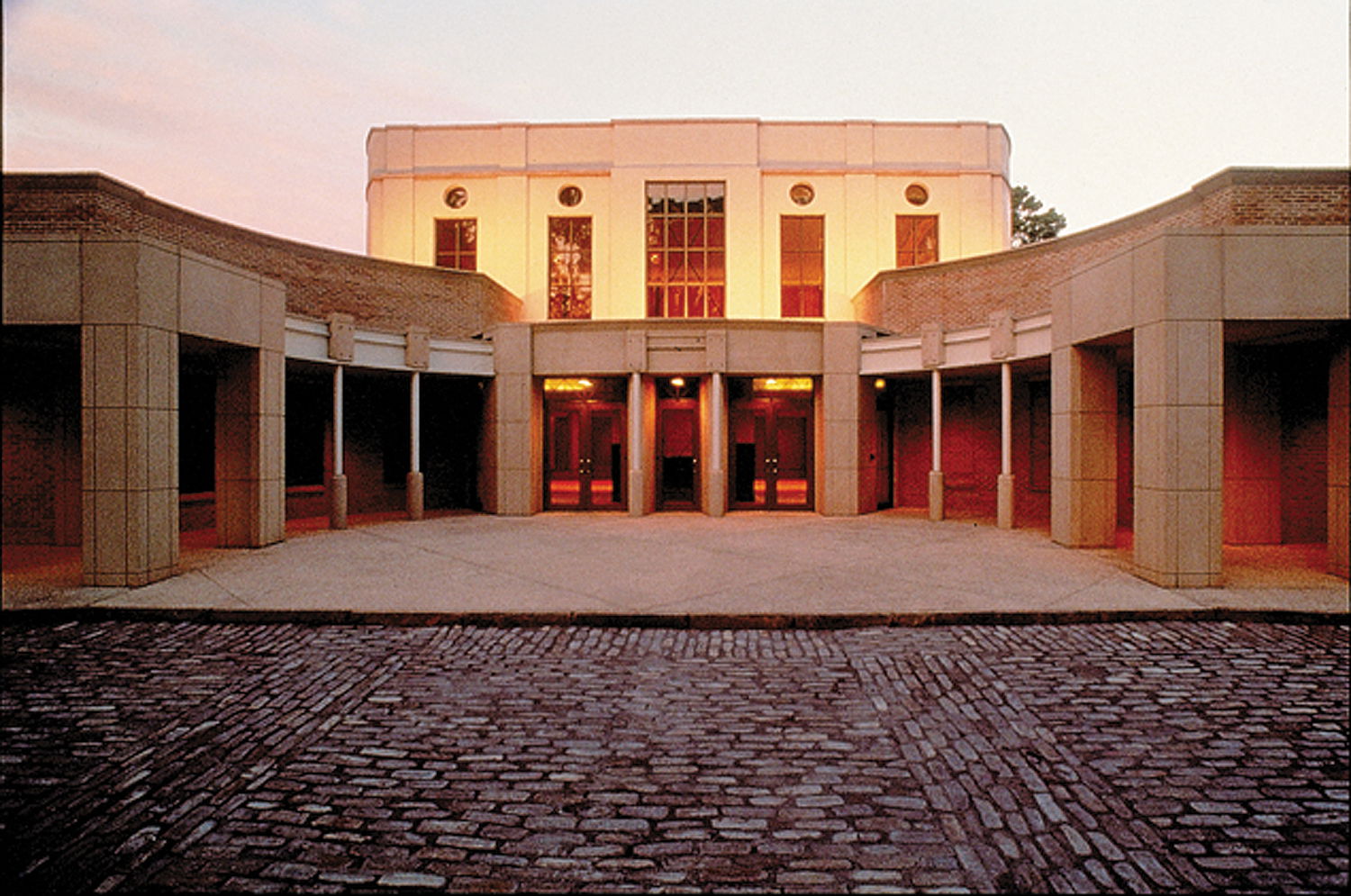
The Georgia Power Building in downtown Atlanta, designed by Heery Architects and Engineers, houses the headquarters for both the Georgia Power Company and the Georgia Power Foundation. In 2004 the Georgia Power Foundation awarded $5 million in grants to organizations primarily in the state of Georgia.

Image from Counse
The New Georgia Encyclopedia does not hold the copyright for this media resource and can neither grant nor deny permission to republish or reproduce the image online or in print. All requests for permission to publish or reproduce the resource must be submitted to the rights holder.

Atlanta History Museum

Atlanta History Museum

  • Info Details
  • Citation Terms of Use

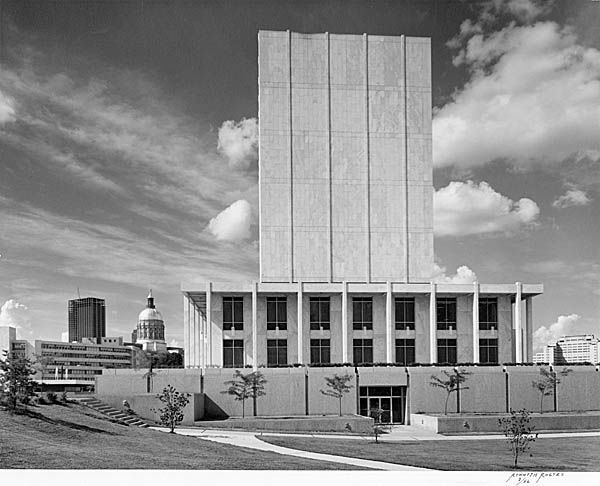
The Atlanta History Museum, located on the campus of the Atlanta History Center, is one of the Southeast's largest history museums. The 30,000-square-foot facility, designed by architect George T. Heery, opened in 1993 and houses four permanent exhibitions, as well as two galleries for traveling exhibitions.

Courtesy of Atlanta History Center.
The New Georgia Encyclopedia does not hold the copyright for this media resource and can neither grant nor deny permission to republish or reproduce the image online or in print. Requests for permission to publish or reproduce the resource should be submitted to the Atlanta History Center.

Georgia Archives

Georgia Archives

  • Info Details
  • Citation Terms of Use

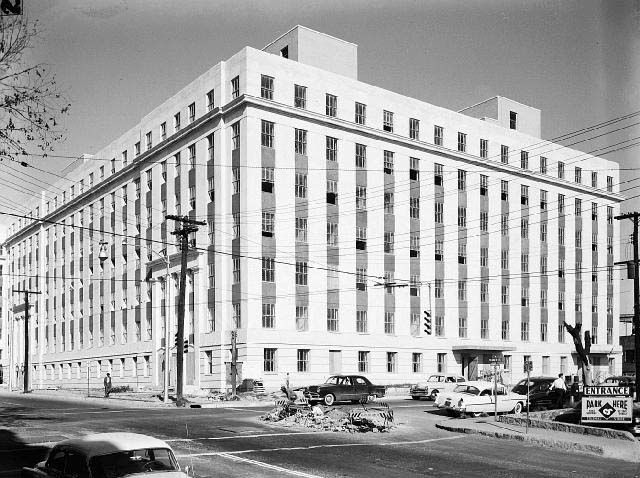
The Georgia Archives building, built in 1965 on Capitol Avenue in downtown Atlanta, was designed by A. Thomas Bradbury, the architect for several government buildings around the state capitol. In 2003 the archives relocated to a new site in Morrow.

Courtesy of Georgia Archives.
The New Georgia Encyclopedia does not hold the copyright for this media resource and can neither grant nor deny permission to republish or reproduce the image online or in print. Requests for permission to publish or reproduce the resource should be submitted to the Georgia Archives.

  • Info Details
  • Citation Terms of Use

The New Georgia Encyclopedia does not hold the copyright for this media resource and can neither grant nor deny permission to republish or reproduce the image online or in print. All requests for permission to publish or reproduce the resource must be submitted to the rights holder.

Labor Building

Labor Building

  • Info Details
  • Citation Terms of Use

The Labor Building in Atlanta, pictured in 1955, was designed by A. Thomas Bradbury, a native of the city and graduate of the architecture school at Georgia Tech. Bradbury also designed the buildings housing the departments of human resources and transportation in Atlanta.

Courtesy of Special Collections & Archives, Georgia State University Library.

The New Georgia Encyclopedia does not hold the copyright for this media resource and can neither grant nor deny permission to republish or reproduce the image online or in print. Requests for permission to publish or reproduce the resource should be submitted to Special Collections and Archives at Georgia State University.

Governor’s Mansion

Governor’s Mansion

  • Info Details
  • Citation Terms of Use

The Governor's Mansion, completed in 1967, was designed in the Greek revival style by Atlanta architect A. Thomas Bradbury. The thirty-room home, located in the Buckhead area of Atlanta, was first occupied by Governor Lester Maddox.

Photograph from Georgia.gov

The New Georgia Encyclopedia does not hold the copyright for this media resource and can neither grant nor deny permission to republish or reproduce the image online or in print. All requests for permission to publish or reproduce the resource must be submitted to the rights holder.

Charles E. Choate

Charles E. Choate

  • Info Details
  • Citation Terms of Use

Charles E. Choate, a native of Houston County, was a Methodist minister and architect in the late nineteenth and early twentieth centuries. He designed several churches throughout the state, as well as commercial buildings and residences, particularly in Washington County.

Courtesy of the Washington County Chamber of Commerce
The New Georgia Encyclopedia does not hold the copyright for this media resource and can neither grant nor deny permission to republish or reproduce the image online or in print. All requests for permission to publish or reproduce the resource must be submitted to the rights holder.

Tennille Baptist Church

Tennille Baptist Church

  • Info Details
  • Citation Terms of Use

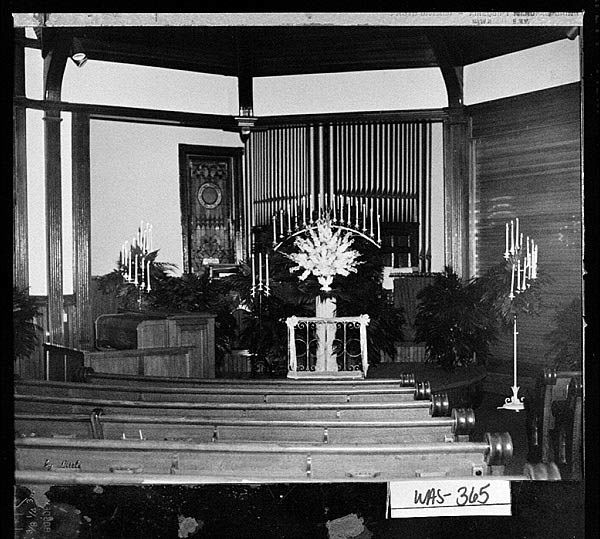
Tennille Baptist Church, pictured in the 1960s, was built in Washington County in 1900. The building was designed in the Romanesque revival style by Georgia architect Charles E. Choate, who was also a Methodist minister.

Courtesy of Georgia Archives, Vanishing Georgia, #was365.
View on partner site

The New Georgia Encyclopedia does not hold the copyright for this media resource and can neither grant nor deny permission to republish or reproduce the image online or in print. Requests for permission to publish or reproduce the resource should be submitted to the Georgia Archives.

Tennille Banking Company

Tennille Banking Company

  • Info Details
  • Citation Terms of Use

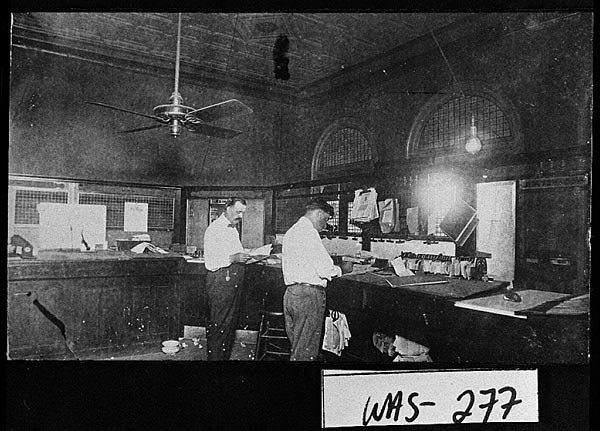
The building for the Tennille Banking Company, pictured circa 1915, was designed by Georgia architect Charles E. Choate and completed in 1900. The building was added to the National Register of Historic Places in 1994.

Courtesy of Georgia Archives, Vanishing Georgia, #
was277.

View on partner site

The New Georgia Encyclopedia does not hold the copyright for this media resource and can neither grant nor deny permission to republish or reproduce the image online or in print. Requests for permission to publish or reproduce the resource should be submitted to the Georgia Archives.

William C. Pauley

William C. Pauley

  • Info Details
  • Citation Terms of Use

William C. Pauley, a landscape architect, designed numerous parks and college grounds in Georgia and the Southeast during the twentieth century. In 1919 he became the first landscape architect to establish a practice in Atlanta. Among his most important projects in the state are the Gardens at Bankshaven in Newnan and Hurt Park in Atlanta.

Courtesy of Spencer Tunnell

The New Georgia Encyclopedia does not hold the copyright for this media resource and can neither grant nor deny permission to republish or reproduce the image online or in print. All requests for permission to publish or reproduce the resource must be submitted to the rights holder.

Edward Daugherty

Edward Daugherty

  • Info Details
  • Citation Terms of Use

Edward Daugherty, pictured in 2006, was a prominent Atlanta landscape architect. Among his many projects in Georgia were the Atlanta Botanical Garden and the grounds of the Georgia Institute of Technology, where he also studied before earning his bachelor's and master's degrees from Harvard University.

The New Georgia Encyclopedia does not hold the copyright for this media resource and can neither grant nor deny permission to republish or reproduce the image online or in print. All requests for permission to publish or reproduce the resource must be submitted to the rights holder.

Atlanta Botanical Garden

Atlanta Botanical Garden

  • Info Details
  • Citation Terms of Use

Landscape architect Edward Daugherty contributed to the design of the Atlanta Botanical Garden grounds from 1981 until 1995. The garden, which offers displays, tours, and classes to the public, opened in the 1970s.

Image from JR P

View on source site

The New Georgia Encyclopedia does not hold the copyright for this media resource and can neither grant nor deny permission to republish or reproduce the image online or in print. All requests for permission to publish or reproduce the resource must be submitted to the rights holder.

Ellamae Ellis League

Ellamae Ellis League

  • Info Details
  • Citation Terms of Use

Renowned Georgia architect Ellamae Ellis League (right) looks over building plans with her daughter Jean in 1952. A native of Macon, League was a practicing architect in that city from 1922 until 1975. At the time of her death in 1991, she was the only woman in Georgia admitted as a Fellow of the American Institute of Architects.

Courtesy of Middle Georgia Archives, Washington Memorial Library.

The New Georgia Encyclopedia does not hold the copyright for this media resource and can neither grant nor deny permission to republish or reproduce the image online or in print. Requests for permission to publish or reproduce the resource may need to be submitted to the Middle Georgia Archives at Washington Memorial Library. 

Ballard-Hudson High School

Ballard-Hudson High School

  • Info Details
  • Citation Terms of Use

Ballard-Hudson High School in Bibb County was designed by Ellamae Ellis League, who opened her own architecture practice in Macon in 1934. Before her retirement in 1975, League designed many churches, schools, and hospitals, which were reportedly her favorite projects.

Courtesy of Middle Georgia Archives, Washington Memorial Library.

The New Georgia Encyclopedia does not hold the copyright for this media resource and can neither grant nor deny permission to republish or reproduce the image online or in print. Requests for permission to publish or reproduce the resource may need to be submitted to the Middle Georgia Archives at Washington Memorial Library. 

Ellamae Ellis League

Ellamae Ellis League

  • Info Details
  • Citation Terms of Use

Ellamae Ellis League stands at the construction site for the Macon-Bibb County Health Center in 1957. League, a prominent Macon architect, designed this building, as well as numerous other structures in the Macon area.

Courtesy of Middle Georgia Archives, Washington Memorial Library.

The New Georgia Encyclopedia does not hold the copyright for this media resource and can neither grant nor deny permission to republish or reproduce the image online or in print. Requests for permission to publish or reproduce the resource may need to be submitted to the Middle Georgia Archives at Washington Memorial Library. 

Grand Opera House

Grand Opera House

  • Info Details
  • Citation Terms of Use

In 1968, seven years before her retirement, renowned architect Ellamae Ellis League began restoration work on the Grand Opera House in Macon. That same year, League was elected as a Fellow of the American Institute of Architects. She was one of only eight female fellows by the time of her death in 1991.

Image from Mark Strozier

View on source site

The New Georgia Encyclopedia does not hold the copyright for this media resource and can neither grant nor deny permission to republish or reproduce the image online or in print. All requests for permission to publish or reproduce the resource must be submitted to the rights holder.

Piedmont Park

Piedmont Park

  • Info Details
  • Citation Terms of Use

Designed by the sons of famed landscape architect Frederick Law Olmsted, Piedmont Park conforms to the principles established by Olmsted.

Courtesy of Historic Preservation Division, Georgia Department of Community Affairs.

The New Georgia Encyclopedia does not hold the copyright for this media resource and can neither grant nor deny permission to republish or reproduce the image online or in print. Requests for permission to publish or reproduce the resource may need to be submitted to the Georgia Department of Community Affairs, Historic Preservation Division.

Frederick Law Olmsted

Frederick Law Olmsted

  • Info Details
  • Citation Terms of Use

Frederick Law Olmsted, at work around 1890, is credited with founding the profession of landscape architecture. Olmsted designed the Druid Park area of Atlanta, and many of the city's parks, including Piedmont and Grant, follow his design principles.

Image from James Notman
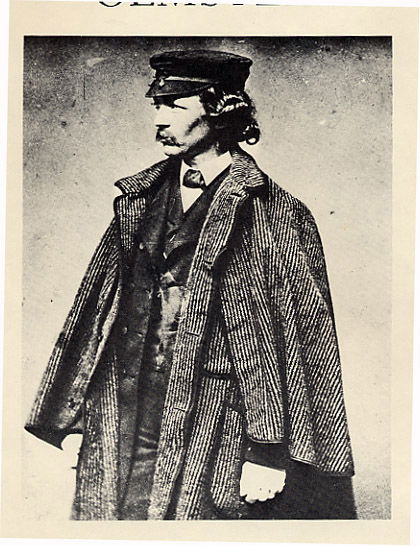
The New Georgia Encyclopedia does not hold the copyright for this media resource and can neither grant nor deny permission to republish or reproduce the image online or in print. All requests for permission to publish or reproduce the resource must be submitted to the rights holder.

  • Info Details
  • Citation Terms of Use

The New Georgia Encyclopedia does not hold the copyright for this media resource and can neither grant nor deny permission to republish or reproduce the image online or in print. All requests for permission to publish or reproduce the resource must be submitted to the rights holder.

Frederick Law Olmsted

Frederick Law Olmsted

  • Info Details
  • Citation Terms of Use

Frederick Law Olmsted poses for a portrait around 1860. A New England native, Olmsted traveled through the South from 1852 to 1854, visiting Georgia twice during that time. He returned to the state in the 1890s to consult with the Cotton States Exposition Commission and to design Druid Hills, a suburban development in Atlanta.

Courtesy of National Park Service, Frederick Law Olmsted National Historic Site

The New Georgia Encyclopedia does not hold the copyright for this media resource and can neither grant nor deny permission to republish or reproduce the image online or in print. All requests for permission to publish or reproduce the resource must be submitted to the rights holder.

  • Info Details
  • Citation Terms of Use

The New Georgia Encyclopedia does not hold the copyright for this media resource and can neither grant nor deny permission to republish or reproduce the image online or in print. All requests for permission to publish or reproduce the resource must be submitted to the rights holder.

Federal Reserve Bank Building

Federal Reserve Bank Building

  • Info Details
  • Citation Terms of Use

Henrietta Dozier, the first female architect in Georgia, served as associate and supervising architect for the Federal Reserve Bank of Atlanta, constructed in 1923-24 in Jacksonville, Florida. The exterior of the building, which was designed in a Neoclassical Revival style, has remained nearly unchanged since the time of its completion.

From Jacksonville's Architectural Heritage, by W. W. Wood. Photograph by Judy Davis and David Vedas

The New Georgia Encyclopedia does not hold the copyright for this media resource and can neither grant nor deny permission to republish or reproduce the image online or in print. All requests for permission to publish or reproduce the resource must be submitted to the rights holder.

Henrietta Dozier

Henrietta Dozier

  • Info Details
  • Citation Terms of Use

Henrietta Dozier was the first woman in Georgia to work as a professional architect, and she was a founding member of the Atlanta Chapter of the American Institute of Architects. Dozier designed several buildings in Atlanta between 1901 and 1916, including the Episcopal Chapel for the All Saints Episcopal Church and the Southern Ruralist Building.

From Jacksonville's Architectural Heritage, by W. W. Wood

The New Georgia Encyclopedia does not hold the copyright for this media resource and can neither grant nor deny permission to republish or reproduce the image online or in print. All requests for permission to publish or reproduce the resource must be submitted to the rights holder.

Clermont Lee

Clermont Lee

  • Info Details
  • Citation Terms of Use

Clermont Lee, the first female professional landscape architect to open a private practice in Savannah, works in the Juliette Gordon Low Birthplace garden.

Courtesy of Juliette Low Birthplace

The New Georgia Encyclopedia does not hold the copyright for this media resource and can neither grant nor deny permission to republish or reproduce the image online or in print. All requests for permission to publish or reproduce the resource must be submitted to the rights holder.

Juliette Gordon Low Birthplace Garden

Juliette Gordon Low Birthplace Garden

  • Info Details
  • Citation Terms of Use

During the 1950s, Clermont Lee designed gardens for several of Savannah's most prominent historic homes, including the Andrew Low House, the Juliette Gordon Low Birthplace, and the Green-Meldrim mansion. This aerial view of the Juliette Low garden was taken around 1956.

Courtesy of Juliette Low Birthplace

The New Georgia Encyclopedia does not hold the copyright for this media resource and can neither grant nor deny permission to republish or reproduce the image online or in print. All requests for permission to publish or reproduce the resource must be submitted to the rights holder.

Big Bethel AME Church

Big Bethel AME Church

  • Info Details
  • Citation Terms of Use

Big Bethel African Methodist Episcopal Church on Auburn Avenue is one of the rehabilitation projects undertaken by J. W. Robinson in the Sweet Auburn historic district.

Courtesy of J. W. Robinson & Associates, Inc.

The New Georgia Encyclopedia does not hold the copyright for this media resource and can neither grant nor deny permission to republish or reproduce the image online or in print. All requests for permission to publish or reproduce the resource must be submitted to the rights holder.

J. W. Robinson

J. W. Robinson

  • Info Details
  • Citation Terms of Use

J. W. Robinson, pictured in June 2006, was an influential Georgia architect. In addition to his firm's work on such public projects as parks, university buildings, and churches in Atlanta, Robinson took an active role in the preservation of historic buildings in the state.

Courtesy of J. W. Robinson & Associates, Inc.

The New Georgia Encyclopedia does not hold the copyright for this media resource and can neither grant nor deny permission to republish or reproduce the image online or in print. All requests for permission to publish or reproduce the resource must be submitted to the rights holder.

Fire Station # 38

Fire Station # 38

  • Info Details
  • Citation Terms of Use

J. W. Robinson received an award from the Atlanta chapter of the American Institute of Architects for his design of Fire Station #38, one of the first projects of J. W. Robinson & Associates, Inc.

Courtesy of J. W. Robinson & Associates, Inc.
The New Georgia Encyclopedia does not hold the copyright for this media resource and can neither grant nor deny permission to republish or reproduce the image online or in print. All requests for permission to publish or reproduce the resource must be submitted to the rights holder.

C. B. King U.S. Courthouse

C. B. King U.S. Courthouse

  • Info Details
  • Citation Terms of Use

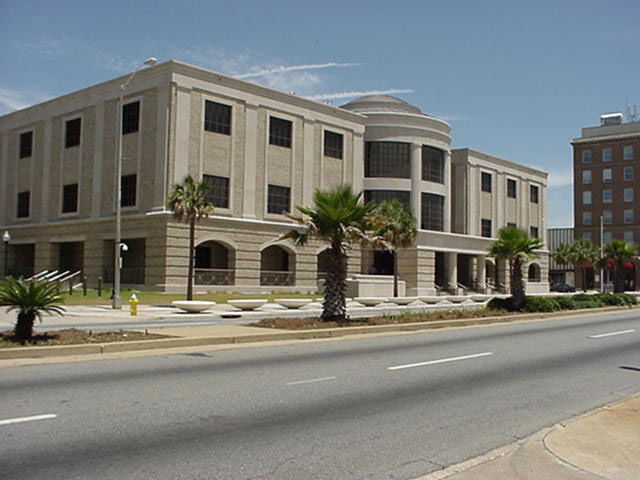
The federal courthouse in Albany, named for civil rights attorney C. B. King, was designed by architect J. W. Robinson in 1992 and completed in 2002. It may be the first federal courthouse in the United States to be designed by an African American architect.

Courtesy of Jeffrey L. Robinson

The New Georgia Encyclopedia does not hold the copyright for this media resource and can neither grant nor deny permission to republish or reproduce the image online or in print. All requests for permission to publish or reproduce the resource must be submitted to the rights holder.

  • Info Details
  • Citation Terms of Use

The New Georgia Encyclopedia does not hold the copyright for this media resource and can neither grant nor deny permission to republish or reproduce the image online or in print. All requests for permission to publish or reproduce the resource must be submitted to the rights holder.

Martin Luther King Jr. Birthplace

Martin Luther King Jr. Birthplace

  • Info Details
  • Citation Terms of Use

The birthplace of Martin Luther King Jr. in Atlanta is one of the many historic properties that J. W. Robinson has worked to restore.

Image from Wally Gobetz

View on source site

The New Georgia Encyclopedia does not hold the copyright for this media resource and can neither grant nor deny permission to republish or reproduce the image online or in print. All requests for permission to publish or reproduce the resource must be submitted to the rights holder.

Thornton House

Thornton House

  • Info Details
  • Citation Terms of Use

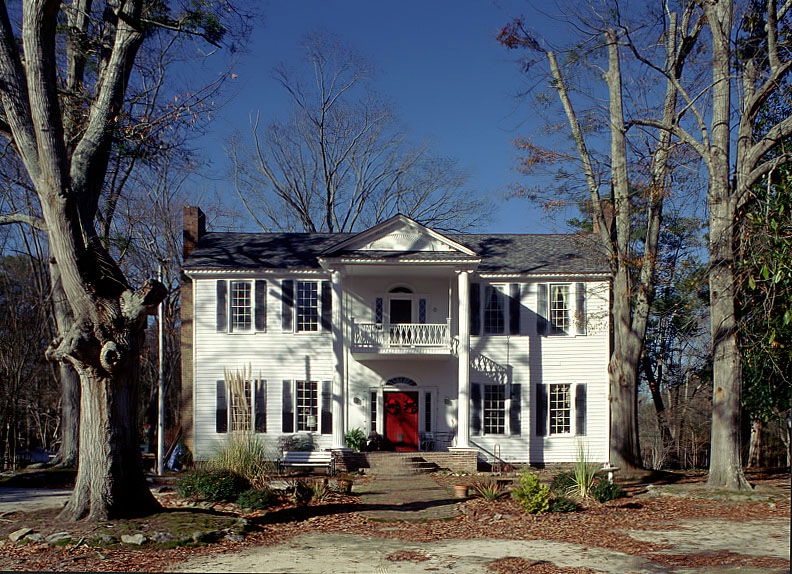
The Thornton House, designed by J. W. Robinson and built in 1962, is the first Black-designed and -constructed home to be situated in an Atlanta neighborhood long barred to African Americans. Eventually this neighborhood became a mecca for prominent Black professionals and politicians.

Courtesy of J. W. Robinson and Associates, Inc.
The New Georgia Encyclopedia does not hold the copyright for this media resource and can neither grant nor deny permission to republish or reproduce the image online or in print. All requests for permission to publish or reproduce the resource must be submitted to the rights holder.

Henderson-Orr House

Henderson-Orr House

  • Info Details
  • Citation Terms of Use

The Henderson-Orr House (1832), an I-house built by architect Collin Rogers in rural Coweta County, includes the original interior woodwork. The antebellum structure has been placed on the National Register of Historic Places.
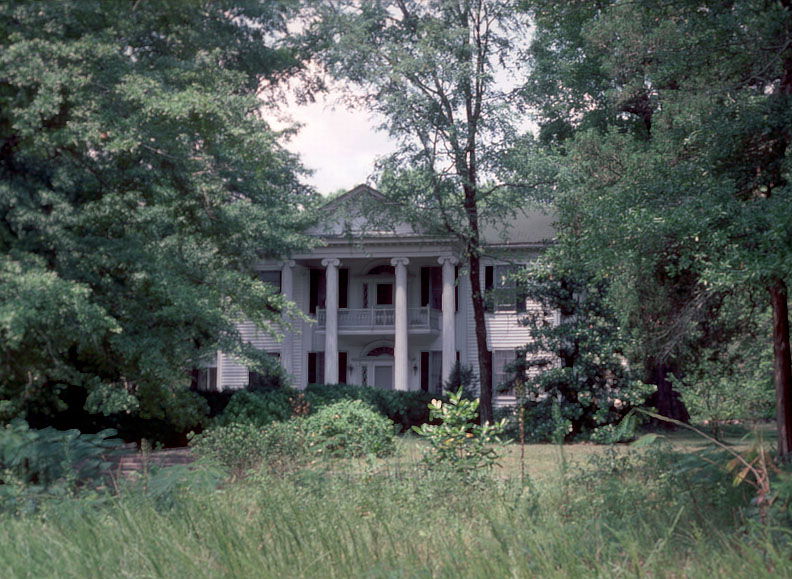
Courtesy of Historic Preservation Division, Georgia Department of Community Affairs.

The New Georgia Encyclopedia does not hold the copyright for this media resource and can neither grant nor deny permission to republish or reproduce the image online or in print. Requests for permission to publish or reproduce the resource may need to be submitted to the Georgia Department of Community Affairs, Historic Preservation Division.

Nathan Van Boddie House

Nathan Van Boddie House

  • Info Details
  • Citation Terms of Use

The Nathan Van Boddie House (1836), located near LaGrange, represents the mature work of architect Collin Rogers. This Georgian-plan house is dominated by a two-story temple-front Ionic portico with a modillion cornice.
Courtesy of Historic Preservation Division, Georgia Department of Community Affairs.

The New Georgia Encyclopedia does not hold the copyright for this media resource and can neither grant nor deny permission to republish or reproduce the image online or in print. Requests for permission to publish or reproduce the resource may need to be submitted to the Georgia Department of Community Affairs, Historic Preservation Division.

Interior of Fannin-Truitt-Handley Place

Interior of Fannin-Truitt-Handley Place

  • Info Details
  • Citation Terms of Use

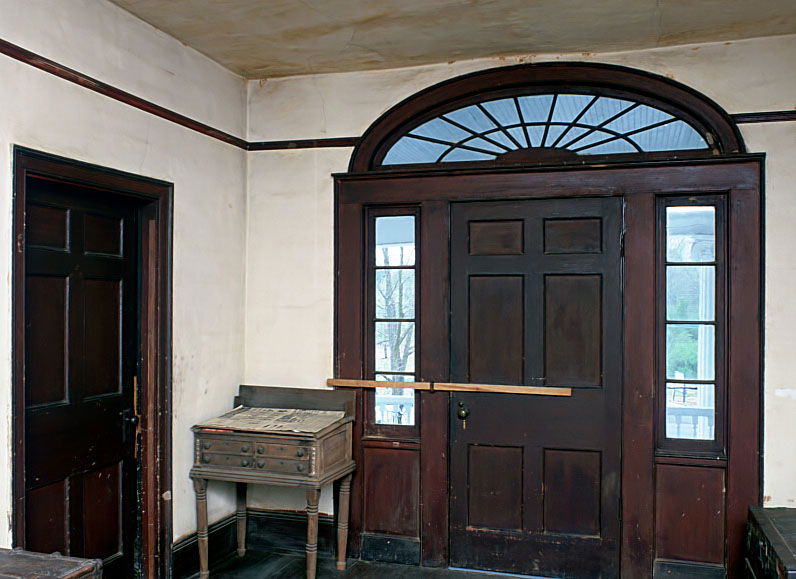
The Fannin-Truitt-Handley Place (1835-40) in Troup County features finely carved entrance surrounds, which are characteristic of Collin Rogers's later work.

Courtesy of Historic Preservation Division, Georgia Department of Community Affairs.

The New Georgia Encyclopedia does not hold the copyright for this media resource and can neither grant nor deny permission to republish or reproduce the image online or in print. Requests for permission to publish or reproduce the resource may need to be submitted to the Georgia Department of Community Affairs, Historic Preservation Division.

Henderson-Orr House, Side View

Henderson-Orr House, Side View

  • Info Details
  • Citation Terms of Use

Collin Rogers built the Henderson-Orr House (1832), an I-house in rural Coweta County, in the Neoclassical style.

Courtesy of Historic Preservation Division, Georgia Department of Community Affairs.

The New Georgia Encyclopedia does not hold the copyright for this media resource and can neither grant nor deny permission to republish or reproduce the image online or in print. Requests for permission to publish or reproduce the resource may need to be submitted to the Georgia Department of Community Affairs, Historic Preservation Division.

Fannin-Truitt-Handley Place

Fannin-Truitt-Handley Place

  • Info Details
  • Citation Terms of Use

The Fannin-Truitt-Handley Place (1835-40), a Georgian-plan house, was designed by architect Collin Rogers and is an example of his mature work.

Courtesy of Historic Preservation Division, Georgia Department of Community Affairs.

The New Georgia Encyclopedia does not hold the copyright for this media resource and can neither grant nor deny permission to republish or reproduce the image online or in print. Requests for permission to publish or reproduce the resource may need to be submitted to the Georgia Department of Community Affairs, Historic Preservation Division.

Lowther Hall

Lowther Hall

  • Info Details
  • Citation Terms of Use

Lowther Hall, pictured in 1934, was designed by architect Daniel Pratt and built during 1822-23 in Clinton (Jones County).

Courtesy of Library of Congress, Prints and Photographs Collection

The New Georgia Encyclopedia does not hold the copyright for this media resource and can neither grant nor deny permission to republish or reproduce the image online or in print. All requests for permission to publish or reproduce the resource must be submitted to the rights holder.

Daniel Pratt

Daniel Pratt

  • Info Details
  • Citation Terms of Use

Daniel Pratt lived in Milledgeville from 1821 to 1831, during which time he built several large Neoclassical-style houses.

Courtesy of Alabama Department of Archives and History

The New Georgia Encyclopedia does not hold the copyright for this media resource and can neither grant nor deny permission to republish or reproduce the image online or in print. All requests for permission to publish or reproduce the resource must be submitted to the rights holder.

Andrew Low House, Savannah

Andrew Low House, Savannah

  • Info Details
  • Citation Terms of Use

Architect John Norris began designing the Andrew Low House, on Lafayette Square in Savannah, in 1847. The three-story stucco-over-brick structure was designed in the Italianate style. Juliette Gordon Low married Andrew Low's son, and she went on to found the Girl Scouts of America in this house in 1912.

Courtesy of Historic Preservation Division, Georgia Department of Community Affairs.

The New Georgia Encyclopedia does not hold the copyright for this media resource and can neither grant nor deny permission to republish or reproduce the image online or in print. Requests for permission to publish or reproduce the resource may need to be submitted to the Georgia Department of Community Affairs, Historic Preservation Division.

  • Info Details
  • Citation Terms of Use

The New Georgia Encyclopedia does not hold the copyright for this media resource and can neither grant nor deny permission to republish or reproduce the image online or in print. All requests for permission to publish or reproduce the resource must be submitted to the rights holder.

  • Info Details
  • Citation Terms of Use

The New Georgia Encyclopedia does not hold the copyright for this media resource and can neither grant nor deny permission to republish or reproduce the image online or in print. All requests for permission to publish or reproduce the resource must be submitted to the rights holder.

  • Info Details
  • Citation Terms of Use

The New Georgia Encyclopedia does not hold the copyright for this media resource and can neither grant nor deny permission to republish or reproduce the image online or in print. All requests for permission to publish or reproduce the resource must be submitted to the rights holder.

Georgia Health Sciences University

Georgia Health Sciences University

  • Info Details
  • Citation Terms of Use

The original building on the campus of Georgia Health Sciences University, completed in Augusta in 1837, was designed by the architect Charles B. Cluskey. The structure, Cluskey's first major building, is an excellent example of the Greek revival style.

Courtesy of Georgia Health Sciences University
The New Georgia Encyclopedia does not hold the copyright for this media resource and can neither grant nor deny permission to republish or reproduce the image online or in print. All requests for permission to publish or reproduce the resource must be submitted to the rights holder.

Old Governor’s Mansion

Old Governor’s Mansion

  • Info Details
  • Citation Terms of Use

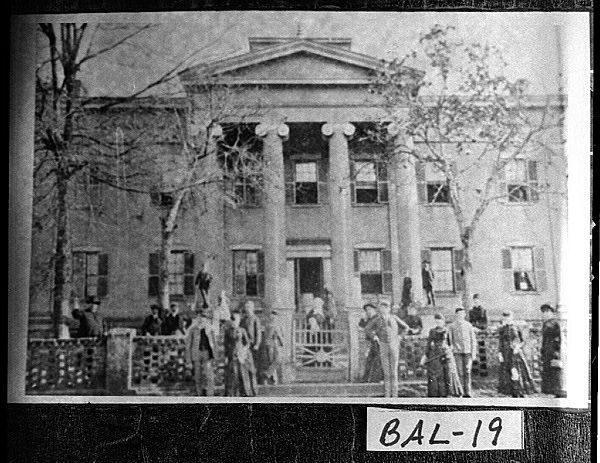
A small crowd is gathered outside the Governor's Mansion in Milledgeville around 1880. The open brick fence is noteworthy. The state's governors resided here from 1838 to 1868.

Courtesy of Georgia Archives, Vanishing Georgia, #bal019.

View on partner site

The New Georgia Encyclopedia does not hold the copyright for this media resource and can neither grant nor deny permission to republish or reproduce the image online or in print. Requests for permission to publish or reproduce the resource should be submitted to the Georgia Archives.

Old Governor’s Mansion, 1904

Old Governor’s Mansion, 1904

  • Info Details
  • Citation Terms of Use

Photograph of the Old Governor's Mansion in Milledgeville, 1904. At this time, the structure served as the home for the president of Georgia Normal and Industrial College (later, Georgia College and State University).

Courtesy of Georgia Archives, Vanishing Georgia, #
bal169.

View on partner site

The New Georgia Encyclopedia does not hold the copyright for this media resource and can neither grant nor deny permission to republish or reproduce the image online or in print. Requests for permission to publish or reproduce the resource should be submitted to the Georgia Archives.

Old Governor’s Mansion, 1941

Old Governor’s Mansion, 1941

  • Info Details
  • Citation Terms of Use

Photograph of the Old Governor's Mansion in Milledgeville, circa 1941. Between 1891 and 1987, each president of Georgia College and State University has lived in the house.

Courtesy of Georgia Archives, Vanishing Georgia, #
bal061.

View on partner site

The New Georgia Encyclopedia does not hold the copyright for this media resource and can neither grant nor deny permission to republish or reproduce the image online or in print. Requests for permission to publish or reproduce the resource should be submitted to the Georgia Archives.

Old Governor’s Mansion, 1960s

Old Governor’s Mansion, 1960s

  • Info Details
  • Citation Terms of Use

Interior view of the Old Governor's Mansion in the early 1960s during restoration, which was completed in 1967. The Greek revival–style structure was designed by Charles Cluskeyand built in the late 1830s.

Courtesy of Georgia Archives, Vanishing Georgia, #
bal094.
View on partner site

The New Georgia Encyclopedia does not hold the copyright for this media resource and can neither grant nor deny permission to republish or reproduce the image online or in print. Requests for permission to publish or reproduce the resource should be submitted to the Georgia Archives.

Historic St. Simons Island Lighthouse

Historic St. Simons Island Lighthouse

  • Info Details
  • Citation Terms of Use

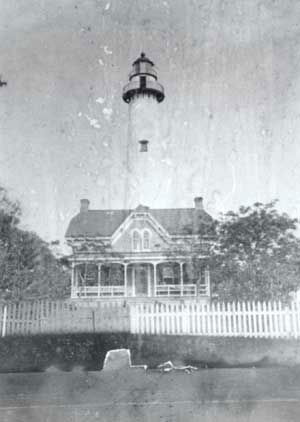
Historic photograph, circa 1914, of the St. Simons Island Lighthouse, which was designed by architect Charles Cluskey. Cluskey was hired to rebuild the lighthouse after it was damaged in the Civil War; he died before the project was completed.

Courtesy of Coastal Georgia Historical Society.

The New Georgia Encyclopedia does not hold the copyright for this media resource and can neither grant nor deny permission to republish or reproduce the image online or in print. Requests for permission to publish or reproduce the resource may need to be submitted to the Coastal Georgia Historical Society.

Owens-Thomas House

Owens-Thomas House

  • Info Details
  • Citation Terms of Use

The Owens-Thomas House (1819) in Savannah was designed by architect William Jay. The Neoclassical mansion features a Regency-style side porch and a beautiful garden.

Image from JR P

View on source site

The New Georgia Encyclopedia does not hold the copyright for this media resource and can neither grant nor deny permission to republish or reproduce the image online or in print. All requests for permission to publish or reproduce the resource must be submitted to the rights holder.

Archibald Bulloch House, Savannah

Archibald Bulloch House, Savannah

  • Info Details
  • Citation Terms of Use

Architect William Jay built this villa on Orleans Square in Savannah in 1819 for Archibald Bulloch. The house was razed in 1916, and the Savannah Municipal Auditorium was constructed on the site. In turn, the Savannah Civic Center was built on the site, replacing the auditorium, in the 1970s.

Courtesy of Georgia Historical Society, Foltz Photography Studio (Savannah, Ga.), photographs, 1899-1960, #GHS 1360-08-08-01.
View on partner site

The New Georgia Encyclopedia does not hold the copyright for this media resource and can neither grant nor deny permission to republish or reproduce the image online or in print. All requests for permission to publish or reproduce the resource must be submitted to Georgia Historical Society.

Bank of the United States

Bank of the United States

  • Info Details
  • Citation Terms of Use

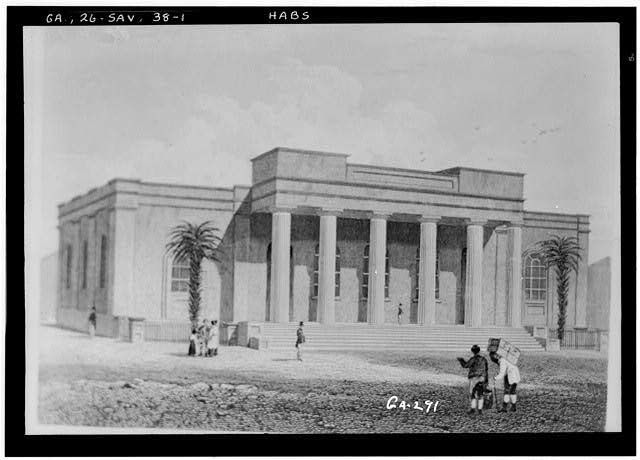
Engraving of the Bank of the United States (1821), in Savannah. The Greek revival-style building was designed by the architect William Jay and was razed in the 1980s.

Courtesy of Library of Congress, Prints and Photographs Division, Historic American Buildings Survey, #HABS GA,26-SAV,38-1.
The New Georgia Encyclopedia does not hold the copyright for this media resource and can neither grant nor deny permission to republish or reproduce the image online or in print. All requests for permission to publish or reproduce the resource must be submitted to the rights holder.

Wayne-Gordon House

Wayne-Gordon House

  • Info Details
  • Citation Terms of Use

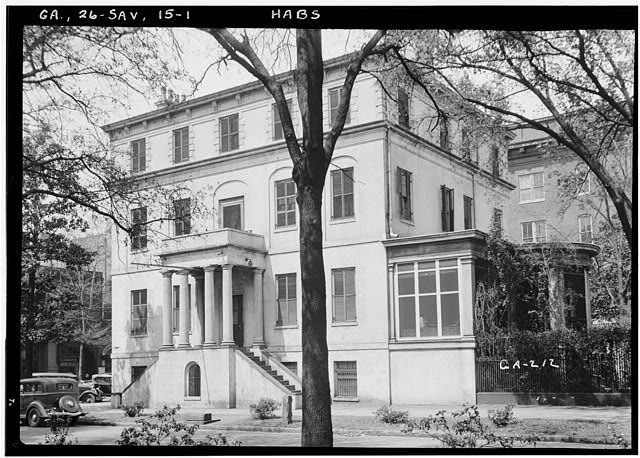
The Wayne-Gordon house was designed by the architect William Jay in the Regency style. The Bull Street residence is the birthplace of Juliette Gordon Low and has been home to four generations of the Gordon family.

Courtesy of Library of Congress, Prints and Photographs Division, Historic American Buildings Survey Collection, #HABS GA,26-SAV,15-1.

The New Georgia Encyclopedia does not hold the copyright for this media resource and can neither grant nor deny permission to republish or reproduce the image online or in print. All requests for permission to publish or reproduce the resource must be submitted to the rights holder.

Wayne-Gordon House, Interior

Wayne-Gordon House, Interior

  • Info Details
  • Citation Terms of Use

Interior view of the Wayne-Gordon house, the birthplace of Juliette Gordon Low. Designed by architect William Jay, the house is a Regency-style structure, with a stuccoed gray brick facade.

Courtesy of Library of Congress, Prints and Photographs Division, Historic American Buildings Survey Collection, #HABS GA,26-SAV,15-6.

The New Georgia Encyclopedia does not hold the copyright for this media resource and can neither grant nor deny permission to republish or reproduce the image online or in print. All requests for permission to publish or reproduce the resource must be submitted to the rights holder.

Rhodes Hall

Rhodes Hall

  • Info Details
  • Citation Terms of Use

Rhodes Hall in Atlanta (1903) is a late example of picturesque Victorian, with its irregular floor plan and massive exterior features in the Romanesque Revival style, accented with castlelike, crenellated towers and parapets. It is one of the finest examples of W. F. Denny's residential work.

Image from Lars Juhl Jensen

View on source site

The New Georgia Encyclopedia does not hold the copyright for this media resource and can neither grant nor deny permission to republish or reproduce the image online or in print. All requests for permission to publish or reproduce the resource must be submitted to the rights holder.

Swan House

Swan House

  • Info Details
  • Citation Terms of Use

The Edward H. Inman (1925-28) House in Atlanta, also known as Swan House, is one of Philip Trammell Shutze's best-known works with the partnership Hentz, Adler and Shutze. Mrs. Inman chose the swan motif from which the house gets its name.
Courtesy of Historic Preservation Division, Georgia Department of Community Affairs.

The New Georgia Encyclopedia does not hold the copyright for this media resource and can neither grant nor deny permission to republish or reproduce the image online or in print. Requests for permission to publish or reproduce the resource may need to be submitted to the Georgia Department of Community Affairs, Historic Preservation Division.

Rich’s Department Store

Rich’s Department Store

  • Info Details
  • Citation Terms of Use

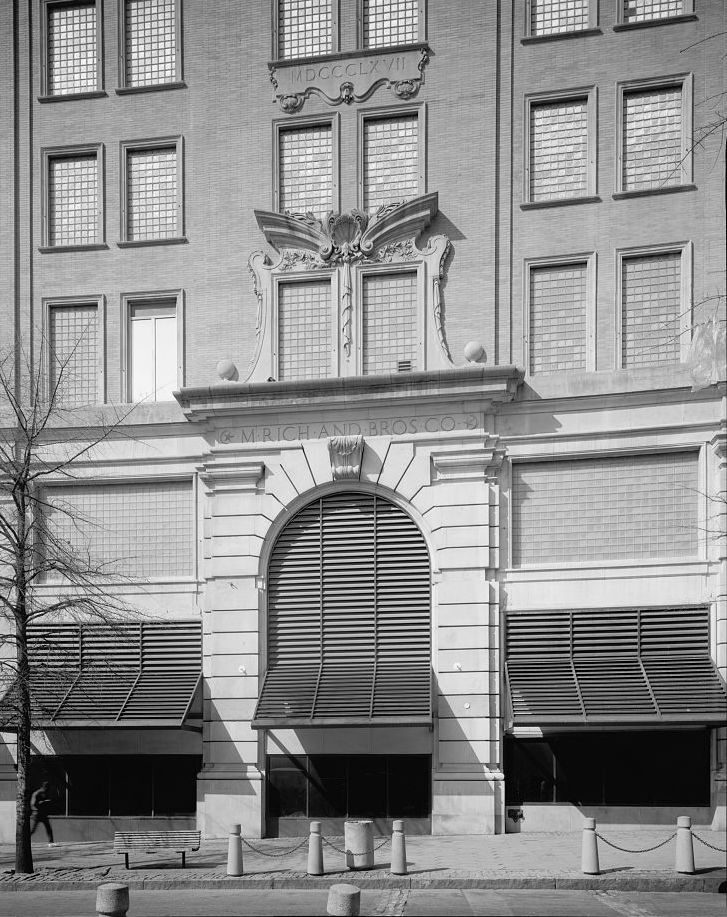
Philip Shutze designed this Rich's Department Store in Atlanta, which was built by the architect firm Hentz, Reid, and Adler in 1924.

Courtesy of Library of Congress, Prints and Photographs Division

View on source site

The New Georgia Encyclopedia does not hold the copyright for this media resource and can neither grant nor deny permission to republish or reproduce the image online or in print. All requests for permission to publish or reproduce the resource must be submitted to the rights holder.

Flint River Bridge

Flint River Bridge

  • Info Details
  • Citation Terms of Use

In 1858 Nelson Tift commissioned Horace King to build this bridge in Albany across the Flint River. In 1887 Tift sold the bridge to Dougherty County. Shown here in 1892, the bridge was destroyed in 1897 when the Flint overflowed its banks during a flood.

Courtesy of Georgia Archives, Vanishing Georgia, # dgh243-86.
View on partner site

The New Georgia Encyclopedia does not hold the copyright for this media resource and can neither grant nor deny permission to republish or reproduce the image online or in print. Requests for permission to publish or reproduce the resource should be submitted to the Georgia Archives.

  • Info Details
  • Citation Terms of Use

The New Georgia Encyclopedia does not hold the copyright for this media resource and can neither grant nor deny permission to republish or reproduce the image online or in print. All requests for permission to publish or reproduce the resource must be submitted to the rights holder.

Covered Bridge Remains

Covered Bridge Remains

  • Info Details
  • Citation Terms of Use

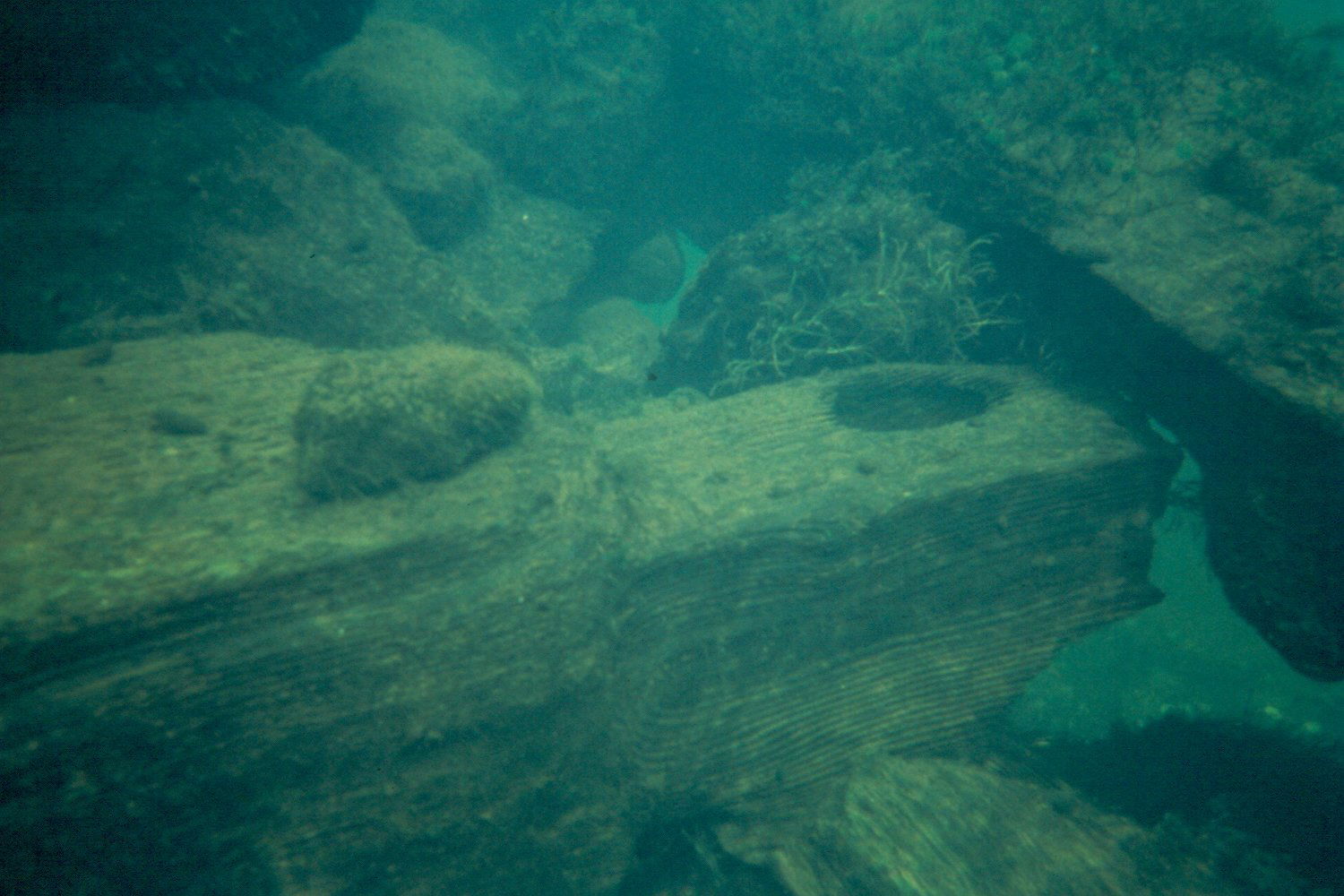
The middle support of a covered bridge, built by Horace King in 1838 near West Point (Troup County), is pictured underwater today.

Courtesy of West Georgia Underwater Archaeological Society. Photograph by Laura Knight
The New Georgia Encyclopedia does not hold the copyright for this media resource and can neither grant nor deny permission to republish or reproduce the image online or in print. All requests for permission to publish or reproduce the resource must be submitted to the rights holder.

  • Info Details
  • Citation Terms of Use

The New Georgia Encyclopedia does not hold the copyright for this media resource and can neither grant nor deny permission to republish or reproduce the image online or in print. All requests for permission to publish or reproduce the resource must be submitted to the rights holder.

James H. “Sloppy” Floyd Building

James H. “Sloppy” Floyd Building

  • Info Details
  • Citation Terms of Use

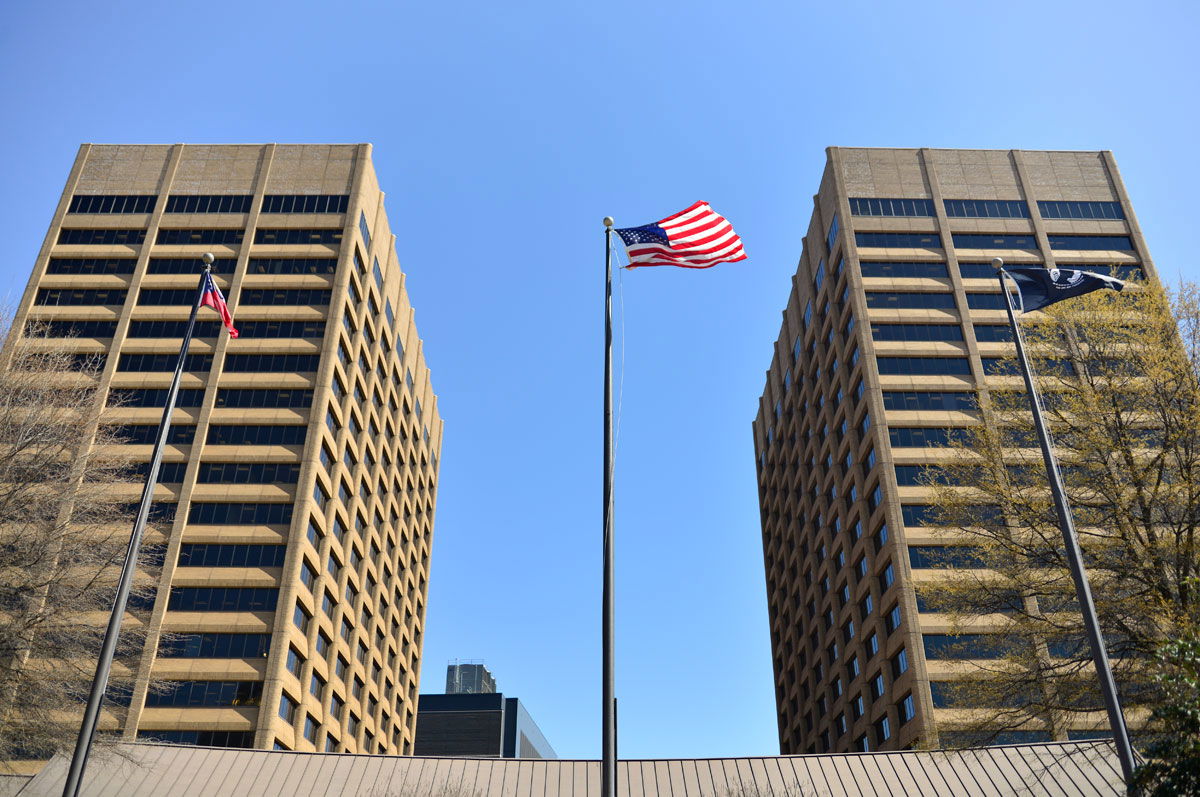
The twin towers of Richard Aeck's Floyd Building (1975-80) are examples of Modernist architecture in downtown Atlanta.

Photograph by Nick NeSmith/WABE

The New Georgia Encyclopedia does not hold the copyright for this media resource and can neither grant nor deny permission to republish or reproduce the image online or in print. All requests for permission to publish or reproduce the resource must be submitted to the rights holder.

W. W. Orr Building

W. W. Orr Building

  • Info Details
  • Citation Terms of Use

Pringle and Smith's eleven-story W. W. Orr Building (1930) was one of their five landmark Atlanta skyscrapers.

Photograph by Warren LeMay

View on source site

The New Georgia Encyclopedia does not hold the copyright for this media resource and can neither grant nor deny permission to republish or reproduce the image online or in print. All requests for permission to publish or reproduce the resource must be submitted to the rights holder.

  • Info Details
  • Citation Terms of Use

The New Georgia Encyclopedia does not hold the copyright for this media resource and can neither grant nor deny permission to republish or reproduce the image online or in print. All requests for permission to publish or reproduce the resource must be submitted to the rights holder.

W. W. Orr Building

W. W. Orr Building

  • Info Details
  • Citation Terms of Use

Pringle and Smith's Beaux-Arts style W. W. Orr Building (1930) also incorporated more "modern" art deco elements.

Photograph by Jessica Higgins

The New Georgia Encyclopedia does not hold the copyright for this media resource and can neither grant nor deny permission to republish or reproduce the image online or in print. All requests for permission to publish or reproduce the resource must be submitted to the rights holder.

William-Oliver Building

William-Oliver Building

  • Info Details
  • Citation Terms of Use

Pringle and Smith's William-Oliver Building (1930) in Atlanta is an award-winning National Register Building.

Photograph by Warren LeMay

The New Georgia Encyclopedia does not hold the copyright for this media resource and can neither grant nor deny permission to republish or reproduce the image online or in print. All requests for permission to publish or reproduce the resource must be submitted to the rights holder.

Cathedral of St. Philip

Cathedral of St. Philip

  • Info Details
  • Citation Terms of Use

Francis Smith's career culminated in projects for the Cathedral of St. Philip on Peachtree Road, including the Mikell Memorial Chapel (1947), Hall of Bishops (1955), and the cathedral itself (1960-63), the latter two projects in association with Ayers and Godwin.

Photograph by John Phelan

The New Georgia Encyclopedia does not hold the copyright for this media resource and can neither grant nor deny permission to republish or reproduce the image online or in print. All requests for permission to publish or reproduce the resource must be submitted to the rights holder.

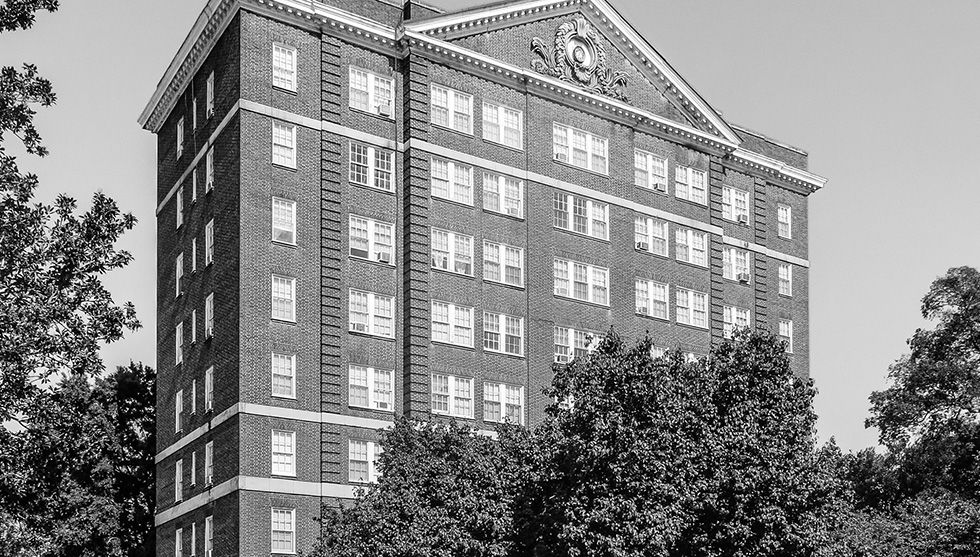
Park Place Apartments

Park Place Apartments

  • Info Details
  • Citation Terms of Use

The practice of Atlanta architect Leila Ross Wilburn emerged from and reflected the values of the Craftsman movement. Craftsman architecture promoted craftsmanship, solid construction, family life, and egalitarian values embodied in small houses for middle-class Americans.

Image from Cynthia Jennings

The New Georgia Encyclopedia does not hold the copyright for this media resource and can neither grant nor deny permission to republish or reproduce the image online or in print. All requests for permission to publish or reproduce the resource must be submitted to the rights holder.

  • Info Details
  • Citation Terms of Use

The New Georgia Encyclopedia does not hold the copyright for this media resource and can neither grant nor deny permission to republish or reproduce the image online or in print. All requests for permission to publish or reproduce the resource must be submitted to the rights holder.

W. T. Downing

W. T. Downing

  • Info Details
  • Citation Terms of Use

Atlanta architect W. T. Downing built his reputation on a wide range of designs that included stylish homes, intricate churches, tall office buildings, and collegiate architecture.

The New Georgia Encyclopedia does not hold the copyright for this media resource and can neither grant nor deny permission to republish or reproduce the image online or in print. All requests for permission to publish or reproduce the resource must be submitted to the rights holder.

William P. Nicolson House

William P. Nicolson House

  • Info Details
  • Citation Terms of Use

The William P. Nicolson House (1892), located on Piedmont Avenue in the Midtown neighborhood of Atlanta, is one of only a few remaining examples of W. T. Downing's residential architecture.

Photograph by Juli Kearns (Idyllopus)
View on source site

The New Georgia Encyclopedia does not hold the copyright for this media resource and can neither grant nor deny permission to republish or reproduce the image online or in print. All requests for permission to publish or reproduce the resource must be submitted to the rights holder.

  • Info Details
  • Citation Terms of Use

The New Georgia Encyclopedia does not hold the copyright for this media resource and can neither grant nor deny permission to republish or reproduce the image online or in print. All requests for permission to publish or reproduce the resource must be submitted to the rights holder.

Lupton Hall, Oglethorpe University

Lupton Hall, Oglethorpe University

  • Info Details
  • Citation Terms of Use

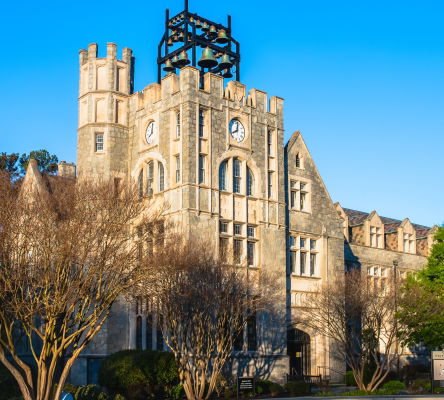
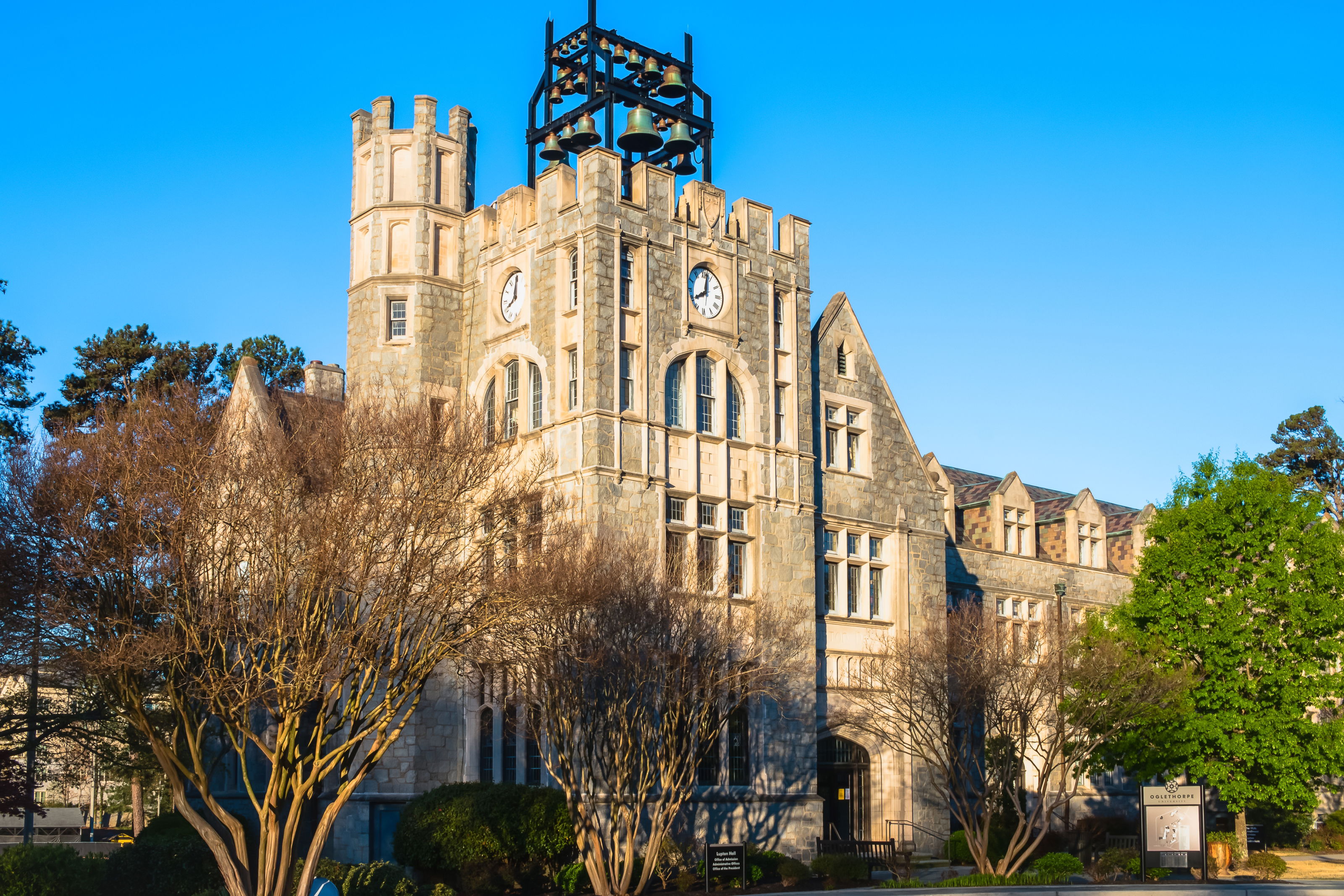
Though designed by W. T. Downing, Lupton Hall (1920) at Oglethorpe University in Atlanta wasn't completed until after his death. Other school designs by Downing include buildings at Georgia Institute of Technology in Atlanta, Shorter University in Rome, and the University of Tennessee at Chattanooga.

Image from Distinguished Reflections

View on source site

The New Georgia Encyclopedia does not hold the copyright for this media resource and can neither grant nor deny permission to republish or reproduce the image online or in print. All requests for permission to publish or reproduce the resource must be submitted to the rights holder.

Wimbish House (Atlanta Woman’s Club)

Wimbish House (Atlanta Woman’s Club)

  • Info Details
  • Citation Terms of Use

Among W. T. Downing's best-known surviving houses in Atlanta is the Wimbish House (1898, later Atlanta Woman's Club) in the French Renaissance Revival (or Chateauesque) style.

Image from JJonahJackalope, Wikimedia Commons
View on source site

The New Georgia Encyclopedia does not hold the copyright for this media resource and can neither grant nor deny permission to republish or reproduce the image online or in print. All requests for permission to publish or reproduce the resource must be submitted to the rights holder.

  • Info Details
  • Citation Terms of Use

The New Georgia Encyclopedia does not hold the copyright for this media resource and can neither grant nor deny permission to republish or reproduce the image online or in print. All requests for permission to publish or reproduce the resource must be submitted to the rights holder.

  • Info Details
  • Citation Terms of Use

The New Georgia Encyclopedia does not hold the copyright for this media resource and can neither grant nor deny permission to republish or reproduce the image online or in print. All requests for permission to publish or reproduce the resource must be submitted to the rights holder.

Shrine of the Immaculate Conception

Shrine of the Immaculate Conception

  • Info Details
  • Citation Terms of Use

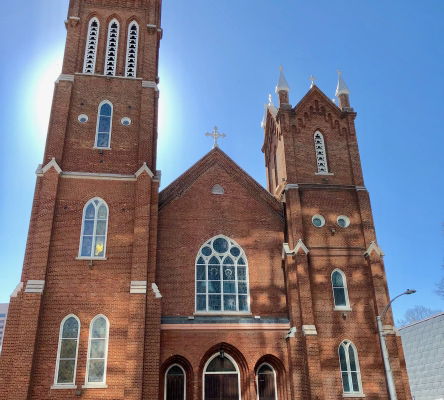
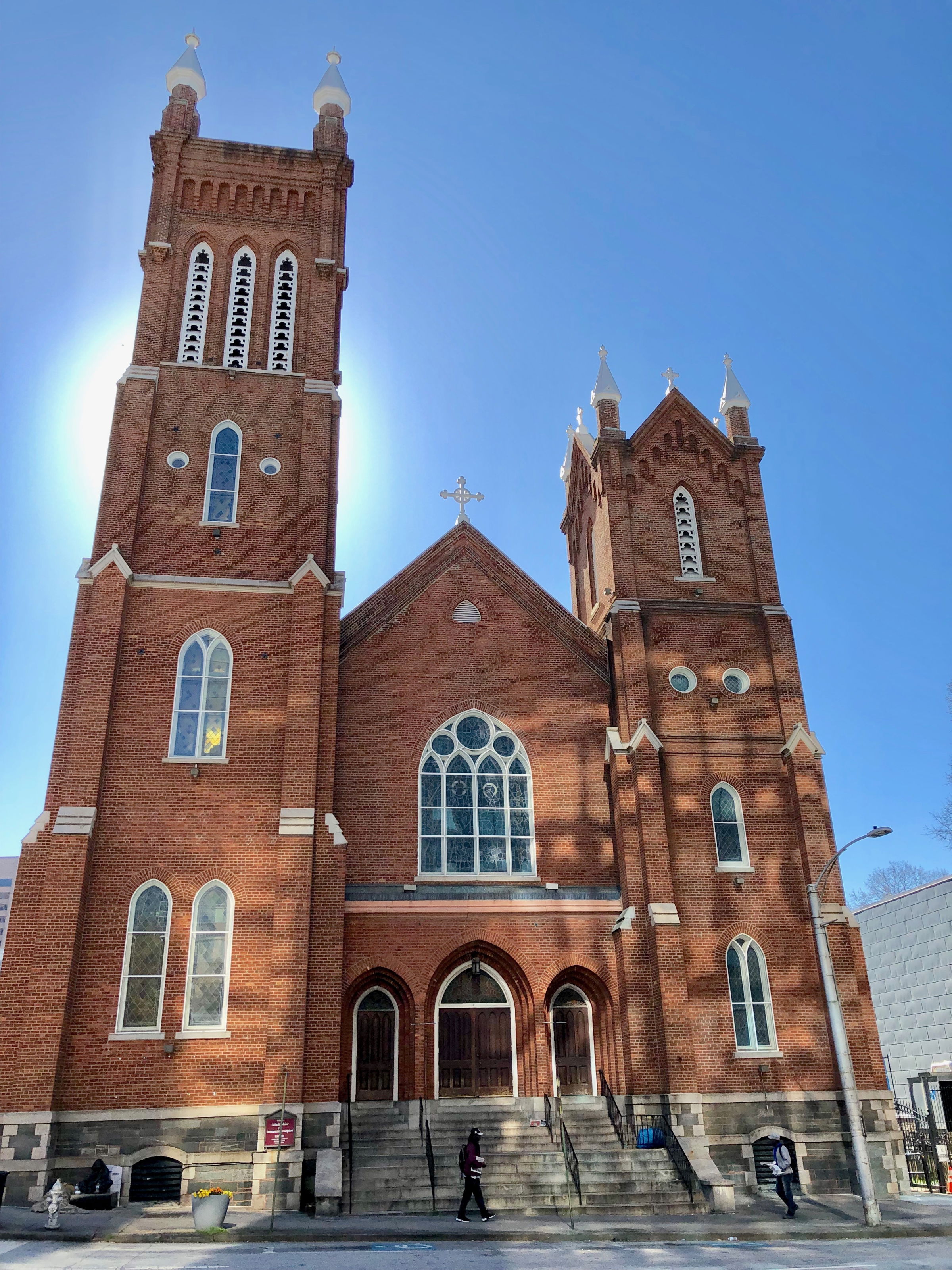
Atlanta's Shrine of the Immaculate Conception, built in 1873-80, helped to establish William H. Parkins as one of Georgia's leading architects. More than a century later, in 1982-84, the building was restored by architect Henry Howard Smith, the son of renowned Atlanta architect Francis Palmer Smith, after the church was damaged by fire.

Image from Warren LeMay
The New Georgia Encyclopedia does not hold the copyright for this media resource and can neither grant nor deny permission to republish or reproduce the image online or in print. All requests for permission to publish or reproduce the resource must be submitted to the rights holder.

Kimball House Hotel

Kimball House Hotel

  • Info Details
  • Citation Terms of Use

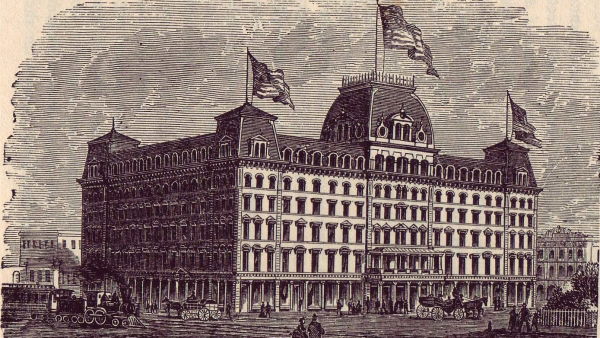
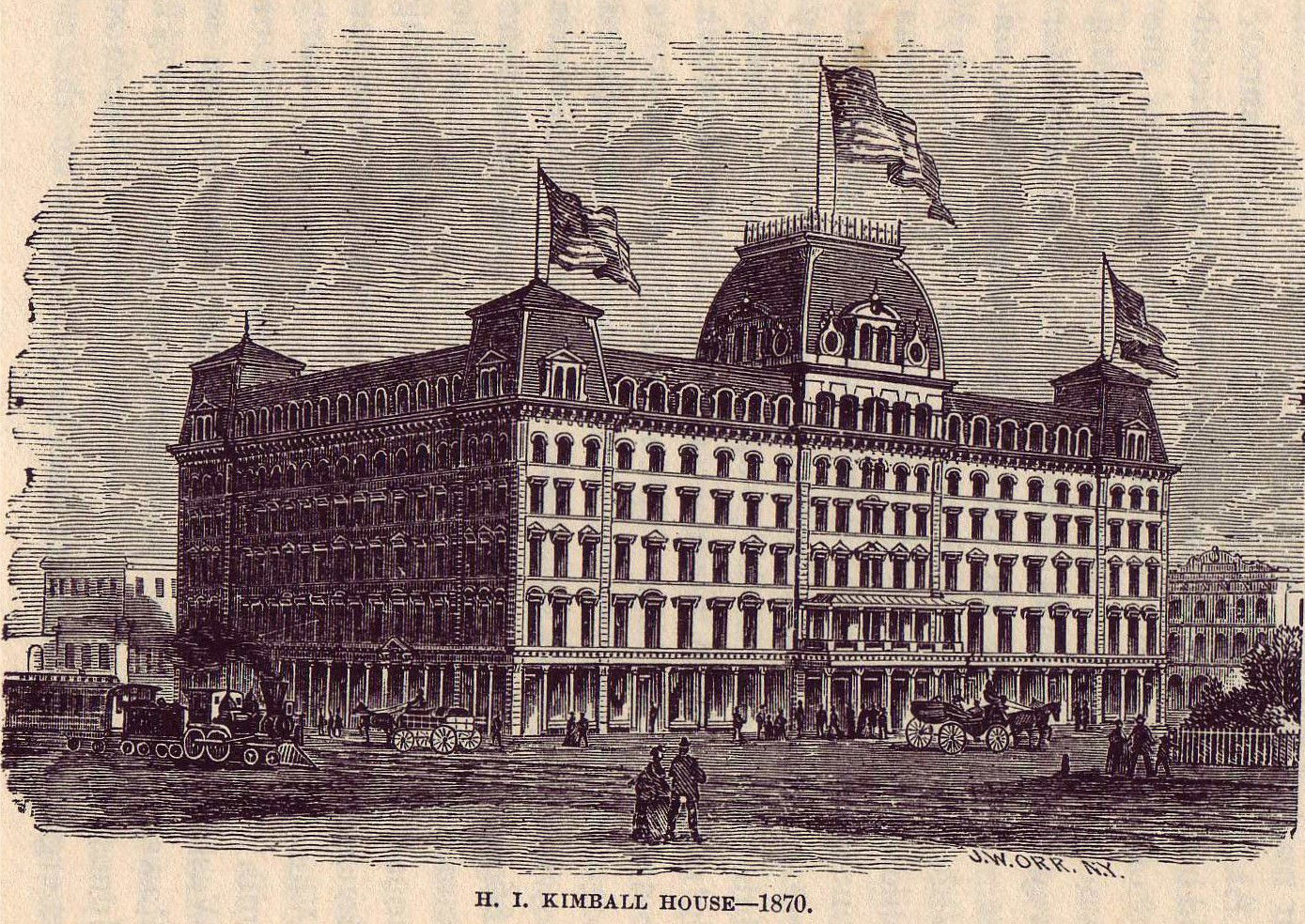
William Parkins's original Kimball House Hotel (1869-70), a combination of Italianate and Second Empire architecture, burned in 1883.

Image from Jolomo~commonswiki

The New Georgia Encyclopedia does not hold the copyright for this media resource and can neither grant nor deny permission to republish or reproduce the image online or in print. All requests for permission to publish or reproduce the resource must be submitted to the rights holder.

Windsor Hotel

Windsor Hotel

  • Info Details
  • Citation Terms of Use

G. L. Norrman's historic Windsor Hotel (1892) in Americus, Georgia, is an outstanding example of High Victorian or Queen Anne architecture.

Courtesy of Georgia Department of Economic Development.
The New Georgia Encyclopedia does not hold the copyright for this media resource and can neither grant nor deny permission to republish or reproduce the image online or in print. Requests for permission to publish or reproduce the resource may need to be submitted to the Georgia Department of Economic Development.

G. L. Norrman

G. L. Norrman

  • Info Details
  • Citation Terms of Use

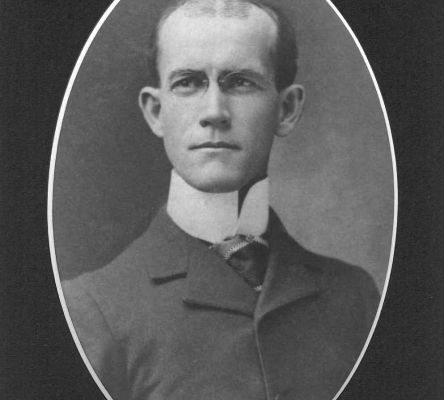
Swedish-born Norrman, after coming to Atlanta in 1881, designed a wide array of buildings in the most fashionable styles, using the latest technologies. Norrman worked ceaselessly for the professionalization of architecture in Georgia and the South.

Image from Col. I.W. Avery

The New Georgia Encyclopedia does not hold the copyright for this media resource and can neither grant nor deny permission to republish or reproduce the image online or in print. All requests for permission to publish or reproduce the resource must be submitted to the rights holder.

Edward C. Peters House

Edward C. Peters House

  • Info Details
  • Citation Terms of Use

G. L. Norrman's Edward C. Peters House (1884, restoration and additions 1973), on Ponce de Leon Avenue, is the finest illustration of the Queen Anne style remaining in Atlanta.

Image from Warren LeMay

View on source site

The New Georgia Encyclopedia does not hold the copyright for this media resource and can neither grant nor deny permission to republish or reproduce the image online or in print. All requests for permission to publish or reproduce the resource must be submitted to the rights holder.

  • Info Details
  • Citation Terms of Use

The New Georgia Encyclopedia does not hold the copyright for this media resource and can neither grant nor deny permission to republish or reproduce the image online or in print. All requests for permission to publish or reproduce the resource must be submitted to the rights holder.

Neel Reid

Neel Reid

  • Info Details
  • Citation Terms of Use

Neel Reid was the best-known residential architect in Atlanta in the early twentieth century.
Courtesy of Hargrett Rare Book and Manuscript Library, University of Georgia Libraries.

The New Georgia Encyclopedia does not hold the copyright for this media resource and can neither grant nor deny permission to republish or reproduce the image online or in print. Requests for permission to publish or reproduce the resource should be submitted to the Hargrett Manuscript and Rare Book Library at the University of Georgia.

  • Info Details
  • Citation Terms of Use

The New Georgia Encyclopedia does not hold the copyright for this media resource and can neither grant nor deny permission to republish or reproduce the image online or in print. All requests for permission to publish or reproduce the resource must be submitted to the rights holder.

  • Info Details
  • Citation Terms of Use

The New Georgia Encyclopedia does not hold the copyright for this media resource and can neither grant nor deny permission to republish or reproduce the image online or in print. All requests for permission to publish or reproduce the resource must be submitted to the rights holder.

Massee Apartment Building

Massee Apartment Building

  • Info Details
  • Citation Terms of Use

The Massee Apartment Building in Macon is one of Hentz, Reid, and Adler's many notable commercial buildings in the state.

Image from The Massee

The New Georgia Encyclopedia does not hold the copyright for this media resource and can neither grant nor deny permission to republish or reproduce the image online or in print. All requests for permission to publish or reproduce the resource must be submitted to the rights holder.

  • Info Details
  • Citation Terms of Use

The New Georgia Encyclopedia does not hold the copyright for this media resource and can neither grant nor deny permission to republish or reproduce the image online or in print. All requests for permission to publish or reproduce the resource must be submitted to the rights holder.

Brooks Hall

Brooks Hall

  • Info Details
  • Citation Terms of Use

Brooks Hall, designed by prominent Atlanta architect Neel Reid, was built in 1928 on the north campus of the University of Georgia in Athens. The building houses the Terry College of Business, which was founded in 1912 as the School of Commerce.

Image from Coxonian

The New Georgia Encyclopedia does not hold the copyright for this media resource and can neither grant nor deny permission to republish or reproduce the image online or in print. All requests for permission to publish or reproduce the resource must be submitted to the rights holder.

Equitable Building

Equitable Building

  • Info Details
  • Citation Terms of Use

John Wellborn Root's eight-story Equitable Building in Atlanta, built in the early 1890s for the developer Joel Hurt, was demolished in 1971, just as Georgia's historic preservation movement was getting under way. Its steel-frame construction and monumental presence made it the city's pioneer skyscraper.

Courtesy of Historic Preservation Division, Georgia Department of Community Affairs.

The New Georgia Encyclopedia does not hold the copyright for this media resource and can neither grant nor deny permission to republish or reproduce the image online or in print. Requests for permission to publish or reproduce the resource may need to be submitted to the Georgia Department of Community Affairs, Historic Preservation Division.

  • Info Details
  • Citation Terms of Use

The New Georgia Encyclopedia does not hold the copyright for this media resource and can neither grant nor deny permission to republish or reproduce the image online or in print. All requests for permission to publish or reproduce the resource must be submitted to the rights holder.

Cecil Alexander Cecil Alexander BellSouth Telecommunications Building Coca-Cola Headquarters Atlanta-Fulton County Stadium Helen and Cecil Alexander Southern Bell Telephone Building Atlanta Terminal Station
St. Luke’s Episcopal Church Fox Theatre Atlanta City Hall University Hospital Briarcliff Hotel Georgia Dome Georgia Power Building Atlanta History Museum Georgia Archives
Labor Building Governor’s Mansion Charles E. Choate Tennille Baptist Church Tennille Banking Company William C. Pauley Edward Daugherty Atlanta Botanical Garden Ellamae Ellis League Ballard-Hudson High School Ellamae Ellis League Grand Opera House Piedmont Park Frederick Law Olmsted
Frederick Law Olmsted
Federal Reserve Bank Building Henrietta Dozier Clermont Lee Juliette Gordon Low Birthplace Garden Big Bethel AME Church J. W. Robinson Fire Station # 38 C. B. King U.S. Courthouse
Martin Luther King Jr. Birthplace Thornton House Henderson-Orr House Nathan Van Boddie House Interior of Fannin-Truitt-Handley Place Henderson-Orr House, Side View Fannin-Truitt-Handley Place Lowther Hall Daniel Pratt Andrew Low House, Savannah
Georgia Health Sciences University Old Governor’s Mansion Old Governor’s Mansion, 1904 Old Governor’s Mansion, 1941 Old Governor’s Mansion, 1960s Historic St. Simons Island Lighthouse Owens-Thomas House Archibald Bulloch House, Savannah Bank of the United States Wayne-Gordon House Wayne-Gordon House, Interior Rhodes Hall Swan House Rich’s Department Store Flint River Bridge
Covered Bridge Remains
James H. “Sloppy” Floyd Building W. W. Orr Building
W. W. Orr Building William-Oliver Building Cathedral of St. Philip Park Place Apartments
W. T. Downing William P. Nicolson House
Lupton Hall, Oglethorpe University Wimbish House (Atlanta Woman’s Club)
Shrine of the Immaculate Conception Kimball House Hotel Windsor Hotel G. L. Norrman Edward C. Peters House
Neel Reid
Massee Apartment Building
Brooks Hall Equitable Building