Skip to content
New Georgia Encyclopedia
  • Home
  • Articles & Media
  • Browse by Topic
  • Browse Collections
  • Browse Georgia Standards
  • A-Z Index
  • Exhibitions
  • Educators
  • Browse    Chevron down
  • Exhibitions
  • Educators
By Topic Content Collections Georgia Standards A-Z Index Arrow right
  • Arts & Culture

    Arts & Culture

  • Business & Economy

    Business & Economy

  • Counties, Cities & Neighborhoods

    Counties, Cities & Neighborhoods

  • Education

    Education

  • Geography & Environment

    Geography & Environment

  • Government & Politics

    Government & Politics

  • History & Archaeology

    History & Archaeology

  • People

    People

  • Science & Medicine

    Science & Medicine

  • Sports & Outdoor Recreation

    Sports & Outdoor Recreation

Stamp Collection
Featured

Stamp Collection

Stamps honoring the political figures, artists, and culture of Georgia.

Frankie Welch’s Americana
Featured

Frankie Welch’s Americana

Fashion and politics from Georgia-born designer Frankie Welch

Recently Added
View All Arrow right
City Page: Atlanta

City Page: Atlanta

Stamp Collection

Stamp Collection

Frankie Welch’s Americana

Frankie Welch’s Americana

  • Georgia Studies

    Georgia Studies

    Eighth Grade
  • Georgia, My State

    Georgia, My State

    Second Grade
All Topics Arrow right Arts & Culture Arrow right Religion Arrow right Faiths & Denominations Arrow right

Methodist

African Methodist Episcopal Church

African Methodist Episcopal Church

AME Church
Christian Methodist Episcopal Church

Christian Methodist Episcopal Church

CME Church
Church of the Nazarene

Church of the Nazarene

Methodist Church

Methodist Church

Overview
United Methodist Church

United Methodist Church

Loading
Star

Featured Content

James Oglethorpe

James Oglethorpe

Colonial Figures
Harriet Powers

Harriet Powers

People
Trending

Trending

Georgia Guidestones

Georgia Guidestones

Sites & Museums
Lynching

Lynching

Late 19th-Century Topics
“God Is Dead” Controversy

“God Is Dead” Controversy

Events & Movements
Moina Belle Michael

Moina Belle Michael

People
Clock

Updated Recently

Morris Brown College

Morris Brown College

1 week ago
Burke County

Burke County

1 week ago
CNN

CNN

1 week ago
Ted Turner

Ted Turner

2 weeks ago

A More Perfect Union

The New Georgia Encyclopedia is supported by funding from A More Perfect Union, a special initiative of the National Endowment for the Humanities.

Learn More
New Georgia Encyclopedia
ISSN 2765-8732
Project Partners
logo-press UGA Press logo-galileo GALILEO logo-humanities Georgia Humanities logo-seal Office of the Governor logo-libraries UGA Libraries
Articles & Media
  • Browse by Topic
  • Content Collections
  • Georgia Standards
Special Content
  • Quizzes
  • Exhibitions
  • Spotify Playlists
  • Georgia Exhibits
  • Educator Resources
About
  • The Project
  • The People
  • Sponsors & Partners
Editorial
  • Our Process
  • Contributor Info
  • Permissions & Use
Stay in Touch
Facebook Instagram Twitter Contact Us
Donate to the NGE

Your support helps us commission new entries and update existing content.

Donate

© 2004–2026 Georgia Humanities, University of Georgia Press

  • Terms of Use
  • Privacy Policy

Media gallery

Mulberry CME Church

Mulberry CME Church

  • Info Details
  • Citation Terms of Use

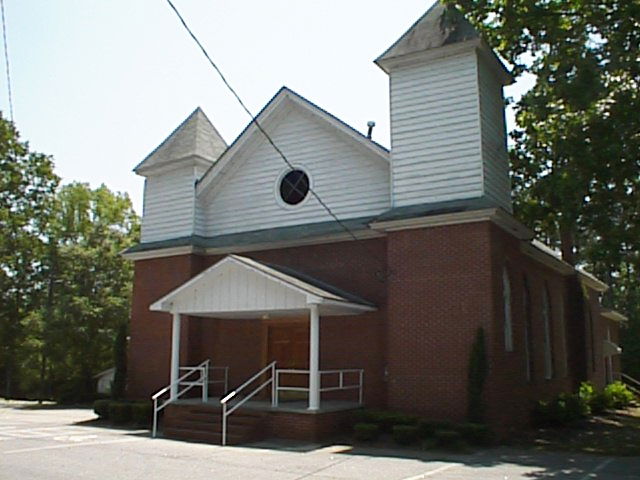
Mulberry Christian Methodist Episcopal Church was built in 1873 and offered church services and a school to Black residents of Lincolnton, the seat of Lincoln County. A congregation of approximately 200 members continues to meet in the church.

Courtesy of Lincolnton-Lincoln County Chamber of Commerce

The New Georgia Encyclopedia does not hold the copyright for this media resource and can neither grant nor deny permission to republish or reproduce the image online or in print. All requests for permission to publish or reproduce the resource must be submitted to the rights holder.

St. Paul CME Church

St. Paul CME Church

  • Info Details
  • Citation Terms of Use

St. Paul Christian Methodist Episcopal Church, pictured in 2007, is located in Athens. The Christian Methodist Episcopal Church (CME Church) is a historically Black denomination established in 1870. Originally known as the Colored Methodist Episcopal Church, the denomination officially changed its name in 1956.

Photograph by Katie Korth

The New Georgia Encyclopedia does not hold the copyright for this media resource and can neither grant nor deny permission to republish or reproduce the image online or in print. All requests for permission to publish or reproduce the resource must be submitted to the rights holder.

Lucius Holsey

Lucius Holsey

  • Info Details
  • Citation Terms of Use

As bishop of the Colored Methodist Episcopal Church, Lucius Holsey oversaw the growth of the denomination in his native state of Georgia. He was also instrumental in the establishment of Paine Institute (later Paine College), which opened in Augusta in 1884.

Photograph by Mathew B. Brady. Courtesy of National Archives and Records Administration
The New Georgia Encyclopedia does not hold the copyright for this media resource and can neither grant nor deny permission to republish or reproduce the image online or in print. All requests for permission to publish or reproduce the resource must be submitted to the rights holder.

Paine Institute

Paine Institute

  • Info Details
  • Citation Terms of Use

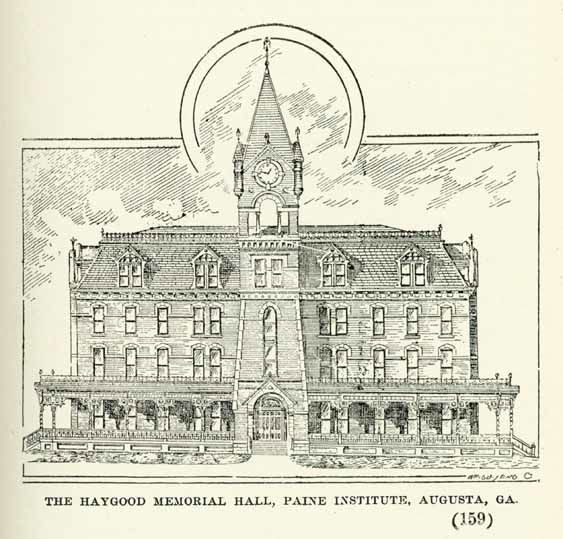
Paine Institute (later Paine College) was founded in Augusta by leaders of the Colored Methodist Episcopal Church, including Lucius Holsey, in 1884. Haygood Memorial Hall (pictured) is known today as Haygood Holsey Hall and houses administrative offices.

Used with permission of Documenting the American South, the University of North Carolina at Chapel Hill Libraries
The New Georgia Encyclopedia does not hold the copyright for this media resource and can neither grant nor deny permission to republish or reproduce the image online or in print. All requests for permission to publish or reproduce the resource must be submitted to the rights holder.

  • Info Details
  • Citation Terms of Use

The New Georgia Encyclopedia does not hold the copyright for this media resource and can neither grant nor deny permission to republish or reproduce the image online or in print. All requests for permission to publish or reproduce the resource must be submitted to the rights holder.

UMC Logo

UMC Logo

  • Info Details
  • Citation Terms of Use

The Cross and Flame of the United Methodist Church represent the denomination's relationship to Christ and the Holy Spirit, respectively. The image also symbolizes founder John Wesley's epiphany during a Moravian meeting in 1738, when he felt his "heart strangely warmed."

Reprinted by permission of General Council on Finance and Administration of The United Methodist Church

The New Georgia Encyclopedia does not hold the copyright for this media resource and can neither grant nor deny permission to republish or reproduce the image online or in print. All requests for permission to publish or reproduce the resource must be submitted to the rights holder.

  • Info Details
  • Citation Terms of Use

The New Georgia Encyclopedia does not hold the copyright for this media resource and can neither grant nor deny permission to republish or reproduce the image online or in print. All requests for permission to publish or reproduce the resource must be submitted to the rights holder.

  • Info Details
  • Citation Terms of Use

The New Georgia Encyclopedia does not hold the copyright for this media resource and can neither grant nor deny permission to republish or reproduce the image online or in print. All requests for permission to publish or reproduce the resource must be submitted to the rights holder.

Arthur Moore

Arthur Moore

  • Info Details
  • Citation Terms of Use

Arthur Moore was a prominent Methodist bishop in the Atlanta area from 1940 until his retirement in 1960. Before coming to Atlanta, Moore served as the pastor of churches in Texas and Alabama and, while bishop of the Pacific Coast area, led the Bishops' Crusade in 1937.

Courtesy of Moore Methodist Museum

The New Georgia Encyclopedia does not hold the copyright for this media resource and can neither grant nor deny permission to republish or reproduce the image online or in print. All requests for permission to publish or reproduce the resource must be submitted to the rights holder.

Uniting Conference Seal

Uniting Conference Seal

  • Info Details
  • Citation Terms of Use

The 1968 Uniting Conference, held in Dallas, Texas, joined the Methodist Church and the Evangelical United Brethren, a Midwestern denomination, to form the United Methodist Church.

The New Georgia Encyclopedia does not hold the copyright for this media resource and can neither grant nor deny permission to republish or reproduce the image online or in print. All requests for permission to publish or reproduce the resource must be submitted to the rights holder.

  • Info Details
  • Citation Terms of Use

The New Georgia Encyclopedia does not hold the copyright for this media resource and can neither grant nor deny permission to republish or reproduce the image online or in print. All requests for permission to publish or reproduce the resource must be submitted to the rights holder.

Saint Mark UMC

Saint Mark UMC

  • Info Details
  • Citation Terms of Use

A congregation gathers in 1954 at Saint Mark United Methodist Church in Midtown Atlanta. The church was formed in 1872 as the Peachtree Street Mission (or the City Mission) of the First Methodist Church in Atlanta, and by 1875 was known as the Sixth Methodist Church. The congregation adopted its present name in 1902, the same year in which its current church building, designed by W. F. Denny, was constructed.

Courtesy of Special Collections & Archives, Georgia State University Library, Lane Brothers Commercial Photographers Photographic Collection.
The New Georgia Encyclopedia does not hold the copyright for this media resource and can neither grant nor deny permission to republish or reproduce the image online or in print. Requests for permission to publish or reproduce the resource should be submitted to Special Collections and Archives at Georgia State University.

  • Info Details
  • Citation Terms of Use

The New Georgia Encyclopedia does not hold the copyright for this media resource and can neither grant nor deny permission to republish or reproduce the image online or in print. All requests for permission to publish or reproduce the resource must be submitted to the rights holder.

Camp Meeting

Camp Meeting

  • Info Details
  • Citation Terms of Use

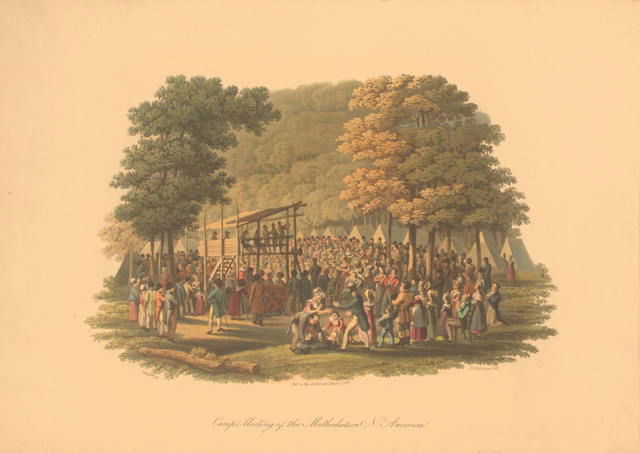
A hand-colored aquatint by M. Dubourg depicts a Methodist camp meeting held in North America, circa 1819. Camp meetings were a common event during the years of the Second Great Awakening, a series of Protestant revivals held between 1790 and 1830.

Courtesy of Library of Congress, Prints and Photographs Division

The New Georgia Encyclopedia does not hold the copyright for this media resource and can neither grant nor deny permission to republish or reproduce the image online or in print. All requests for permission to publish or reproduce the resource must be submitted to the rights holder.

John Wesley

John Wesley

  • Info Details
  • Citation Terms of Use

John Wesley, a native of England, served as Anglican rector to the Georgia colony between 1735 and 1737. During this time, Wesley's interactions with Moravian settlers influenced his theological perspective, which eventually led to the formal establishment of the Methodist Church in England in 1784. His teachings also spread throughout the colonies, and the Methodist denomination in America was formalized that same year.
Courtesy of Stuart A. Rose Manuscript, Archives, and Rare Book Library, Emory University.

The New Georgia Encyclopedia does not hold the copyright for this media resource and can neither grant nor deny permission to republish or reproduce the image online or in print. For more information about this resource, contact the Stuart A. Rose Manuscript, Archives, and Rare Book Library at Emory University.

  • Info Details
  • Citation Terms of Use

The New Georgia Encyclopedia does not hold the copyright for this media resource and can neither grant nor deny permission to republish or reproduce the image online or in print. All requests for permission to publish or reproduce the resource must be submitted to the rights holder.

  • Info Details
  • Citation Terms of Use

The New Georgia Encyclopedia does not hold the copyright for this media resource and can neither grant nor deny permission to republish or reproduce the image online or in print. All requests for permission to publish or reproduce the resource must be submitted to the rights holder.

AME Church Bishops

AME Church Bishops

  • Info Details
  • Citation Terms of Use

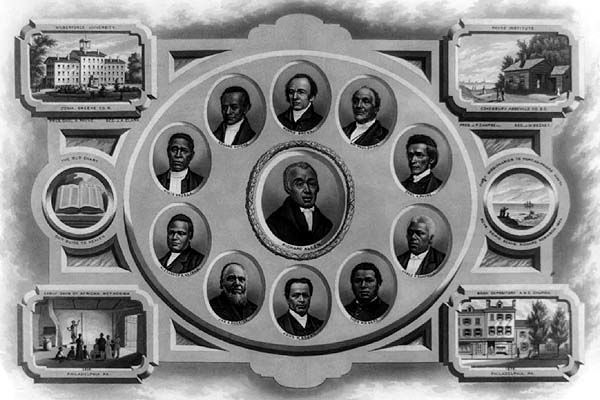
Richard Allen (center), the founder of the African Methodist Episcopal denomination, is depicted with other bishops in an 1876 lithograph. Established in Pennsylvania in 1816, the AME Church arrived in Georgia at the close of the Civil War, as missionaries from the denomination entered the state with Union troops.

Courtesy of Library of Congress, Prints and Photographs Division
The New Georgia Encyclopedia does not hold the copyright for this media resource and can neither grant nor deny permission to republish or reproduce the image online or in print. All requests for permission to publish or reproduce the resource must be submitted to the rights holder.

AME Zion Congregation

AME Zion Congregation

  • Info Details
  • Citation Terms of Use

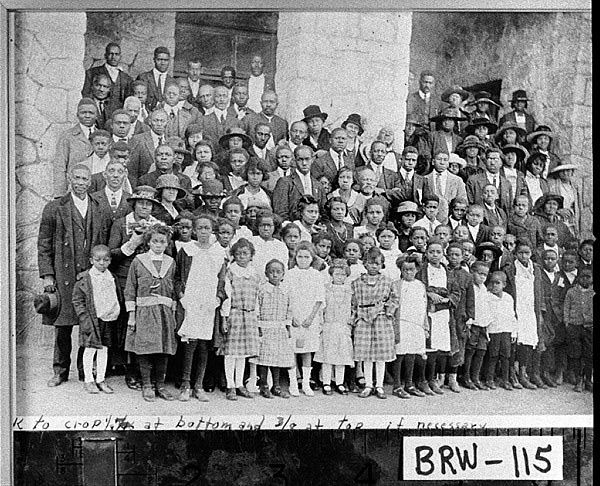
Members of the Bush Chapel African Methodist Episcopal Zion Church congregation in Barrow County pose at the church on Easter Sunday, 1925. The AME Zion denomination was founded in New York City in 1821 and arrived in the South to minister to freedpeople during the Civil War.

Courtesy of Georgia Archives, Vanishing Georgia, #
brw115.
View on partner site

The New Georgia Encyclopedia does not hold the copyright for this media resource and can neither grant nor deny permission to republish or reproduce the image online or in print. Requests for permission to publish or reproduce the resource should be submitted to the Georgia Archives.

Andrew College

Andrew College

  • Info Details
  • Citation Terms of Use

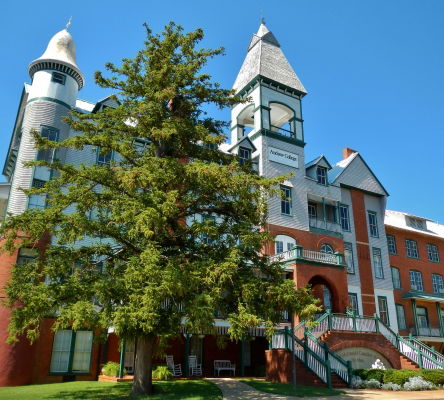
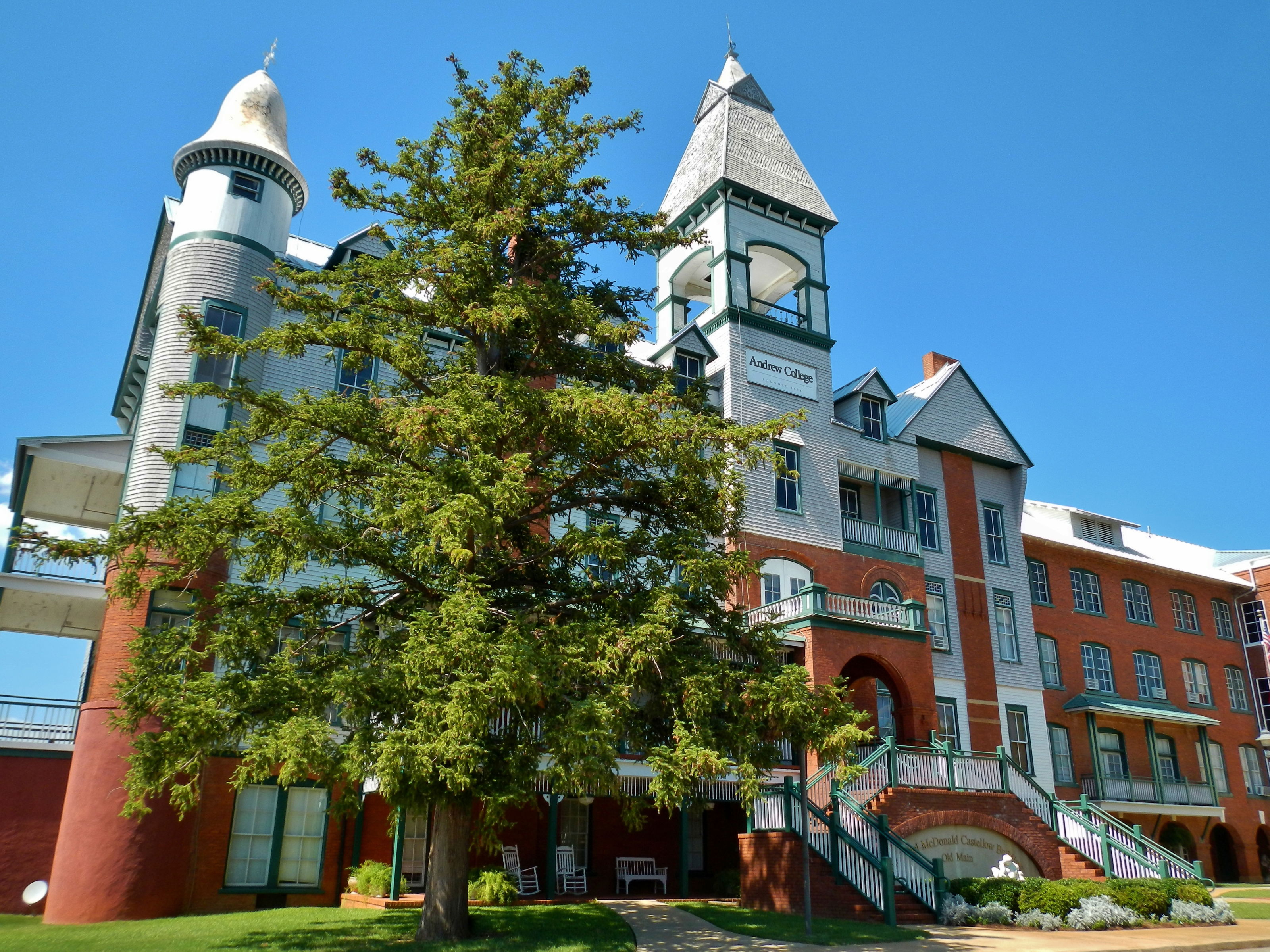
Old Main Hall on the campus of Andrew College, a two-year institution in Cuthbert. Founded in 1854 as a women's college, today the school offers a liberal arts curriculum to approximately 400 male and female students. Named for Methodist bishop James Osgood Andrew, the school is affiliated with the United Methodist Church.

Image from Rivers Langley
The New Georgia Encyclopedia does not hold the copyright for this media resource and can neither grant nor deny permission to republish or reproduce the image online or in print. All requests for permission to publish or reproduce the resource must be submitted to the rights holder.

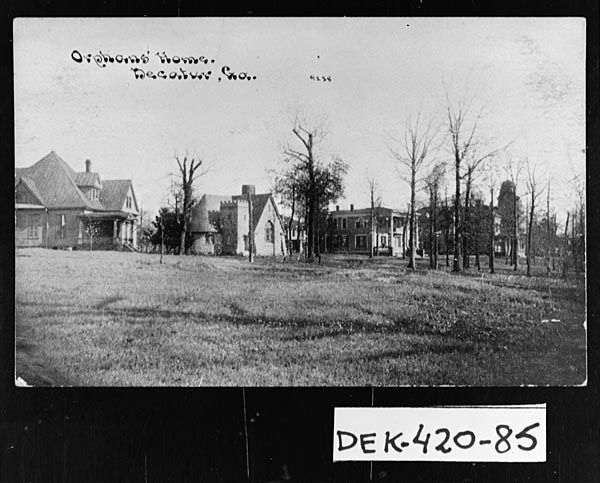
Orphan’s Home

Orphan’s Home

  • Info Details
  • Citation Terms of Use

The Orphan's Home, pictured circa 1910, was founded in Norcross in 1871 but moved soon thereafter to its current location in Decatur. Known today as the United Methodist Children's Home, the institution houses around 70 children and provides a variety of social services to approximately 3,000 children each year.

Courtesy of Georgia Archives, Vanishing Georgia, #dek420-85.
View on partner site

The New Georgia Encyclopedia does not hold the copyright for this media resource and can neither grant nor deny permission to republish or reproduce the image online or in print. Requests for permission to publish or reproduce the resource should be submitted to the Georgia Archives.

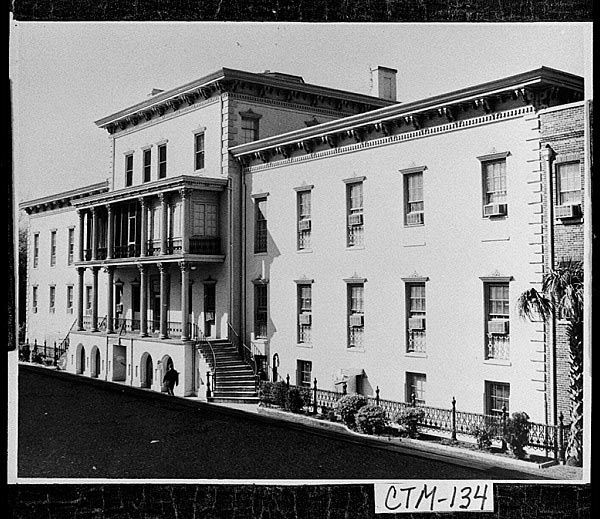
Warren A. Candler Hospital

Warren A. Candler Hospital

  • Info Details
  • Citation Terms of Use

Warren A. Candler Hospital, pictured in the early 1960s, was founded as a seaman's hospital in Savannah in 1803 and was acquired by the Methodist Episcopal Church, South, in 1930. The Methodists named the facility in honor of Bishop Warren A. Candler.

Courtesy of Georgia Archives, Vanishing Georgia, #
ctm134.
View on partner site

The New Georgia Encyclopedia does not hold the copyright for this media resource and can neither grant nor deny permission to republish or reproduce the image online or in print. Requests for permission to publish or reproduce the resource should be submitted to the Georgia Archives.

St. Paul AME Church

St. Paul AME Church

  • Info Details
  • Citation Terms of Use

St. Paul AME Church in Macon is one of more than 500 African Methodist Episcopal churches in Georgia today. Pictured is the congregation's second structure, which was located on the site of the present-day Macon Coliseum. In 2006 the church moved into a new building on Shurling Drive.

Courtesy of Georgia Archives, Vanishing Georgia, # bib234.

View on partner site

The New Georgia Encyclopedia does not hold the copyright for this media resource and can neither grant nor deny permission to republish or reproduce the image online or in print. Requests for permission to publish or reproduce the resource should be submitted to the Georgia Archives.

Church of the Nazarene

Church of the Nazarene

  • Info Details
  • Citation Terms of Use

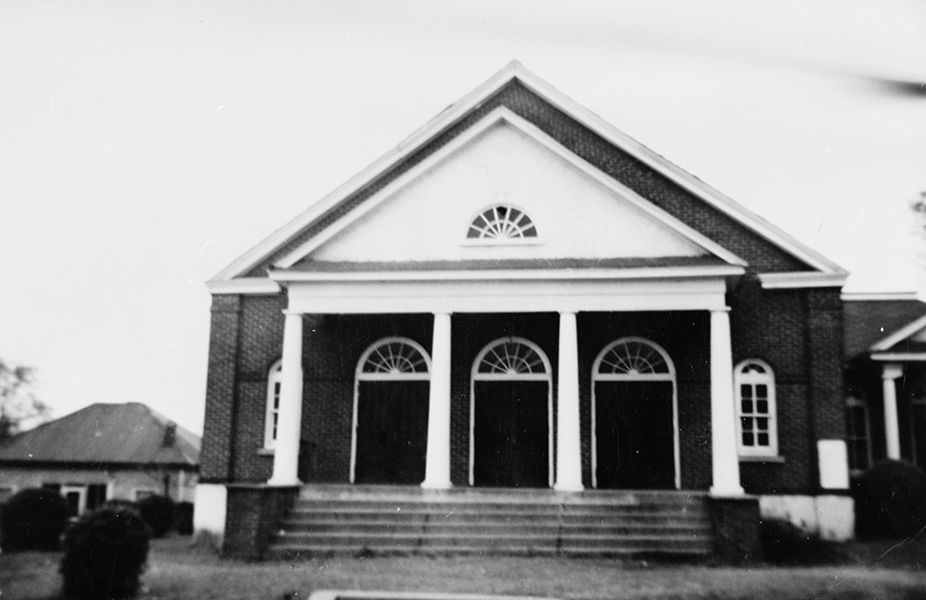
Like many early Nazarene churches in Georgia, the Barnesville Church of the Nazarene grew out of a revival meeting. It was organized by district superintendent P. P. Belew in 1935, with twelve charter members.

Courtesy of Stan Ingersol
The New Georgia Encyclopedia does not hold the copyright for this media resource and can neither grant nor deny permission to republish or reproduce the image online or in print. All requests for permission to publish or reproduce the resource must be submitted to the rights holder.

  • Info Details
  • Citation Terms of Use

The New Georgia Encyclopedia does not hold the copyright for this media resource and can neither grant nor deny permission to republish or reproduce the image online or in print. All requests for permission to publish or reproduce the resource must be submitted to the rights holder.

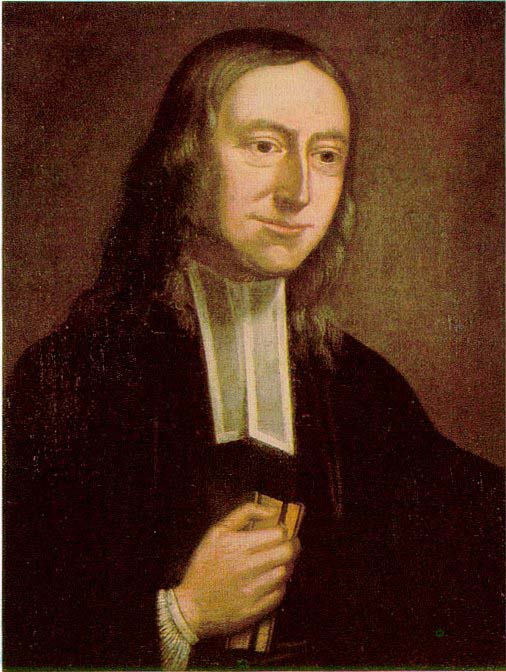
John Wesley

John Wesley

  • Info Details
  • Citation Terms of Use

The history of Nazarenes in Georgia dates back to an evangelical revival in eighteenth-century England led by John and Charles Wesley. John Wesley is recognized as the founder of Methodism in America.

Reprinted by Permission of Drew University Library, Methodist Collection.

The New Georgia Encyclopedia does not hold the copyright for this media resource and can neither grant nor deny permission to republish or reproduce the image online or in print. All requests for permission to publish or reproduce the resource must be submitted to the rights holder.

  • Info Details
  • Citation Terms of Use

The New Georgia Encyclopedia does not hold the copyright for this media resource and can neither grant nor deny permission to republish or reproduce the image online or in print. All requests for permission to publish or reproduce the resource must be submitted to the rights holder.

Mulberry CME Church St. Paul CME Church Lucius Holsey Paine Institute
UMC Logo
Arthur Moore Uniting Conference Seal
Saint Mark UMC
Camp Meeting John Wesley
AME Church Bishops AME Zion Congregation Andrew College Orphan’s Home Warren A. Candler Hospital St. Paul AME Church Church of the Nazarene
John Wesley