Skip to content
New Georgia Encyclopedia
  • Home
  • Articles & Media
  • Browse by Topic
  • Browse Collections
  • Browse Georgia Standards
  • A-Z Index
  • Exhibitions
  • Educators
  • Browse    Chevron down
  • Exhibitions
  • Educators
By Topic Content Collections Georgia Standards A-Z Index Arrow right
  • Arts & Culture

    Arts & Culture

  • Business & Economy

    Business & Economy

  • Counties, Cities & Neighborhoods

    Counties, Cities & Neighborhoods

  • Education

    Education

  • Geography & Environment

    Geography & Environment

  • Government & Politics

    Government & Politics

  • History & Archaeology

    History & Archaeology

  • People

    People

  • Science & Medicine

    Science & Medicine

  • Sports & Outdoor Recreation

    Sports & Outdoor Recreation

Stamp Collection
Featured

Stamp Collection

Stamps honoring the political figures, artists, and culture of Georgia.

Frankie Welch’s Americana
Featured

Frankie Welch’s Americana

Fashion and politics from Georgia-born designer Frankie Welch

Recently Added
View All Arrow right
City Page: Atlanta

City Page: Atlanta

Stamp Collection

Stamp Collection

Frankie Welch’s Americana

Frankie Welch’s Americana

  • Georgia Studies

    Georgia Studies

    Eighth Grade
  • Georgia, My State

    Georgia, My State

    Second Grade
All Topics Arrow right History & Archaeology Arrow right Progressive Era to WWII, 1900-1945 Arrow right

Early 20th-Century Events

Atlanta Race Massacre of 1906

Atlanta Race Massacre of 1906

U-boat Attacks during World War II

U-boat Attacks during World War II

World War I in Georgia

World War I in Georgia

World War II in Georgia

World War II in Georgia

Loading
Star

Featured Content

Harriet Powers

Harriet Powers

People
Civil Rights Movement

Civil Rights Movement

Mid- to Late 20th Century Topics
Trending

Trending

Georgia Guidestones

Georgia Guidestones

Sites & Museums
James D. Bulloch

James D. Bulloch

People
Bobby Cox

Bobby Cox

People
Dixiecrats

Dixiecrats

Political Parties, Interest Groups & Movements
Clock

Updated Recently

Morris Brown College

Morris Brown College

5 days ago
Burke County

Burke County

5 days ago
CNN

CNN

5 days ago
Ted Turner

Ted Turner

1 week ago

A More Perfect Union

The New Georgia Encyclopedia is supported by funding from A More Perfect Union, a special initiative of the National Endowment for the Humanities.

Learn More
New Georgia Encyclopedia
ISSN 2765-8732
Project Partners
logo-press UGA Press logo-galileo GALILEO logo-humanities Georgia Humanities logo-seal Office of the Governor logo-libraries UGA Libraries
Articles & Media
  • Browse by Topic
  • Content Collections
  • Georgia Standards
Special Content
  • Quizzes
  • Exhibitions
  • Spotify Playlists
  • Georgia Exhibits
  • Educator Resources
About
  • The Project
  • The People
  • Sponsors & Partners
Editorial
  • Our Process
  • Contributor Info
  • Permissions & Use
Stay in Touch
Facebook Instagram Twitter Contact Us
Donate to the NGE

Your support helps us commission new entries and update existing content.

Donate

© 2004–2026 Georgia Humanities, University of Georgia Press

  • Terms of Use
  • Privacy Policy

Media gallery

U-123

U-123

  • Info Details
  • Citation Terms of Use

The German submarine U-123, under the command of Reinhard Hardegen, is pictured in February 1942 at its home base in Lorient, France. In early April the vessel entered Georgia's waters and sank three ships.

Photograph from German Federal Archive
The New Georgia Encyclopedia does not hold the copyright for this media resource and can neither grant nor deny permission to republish or reproduce the image online or in print. All requests for permission to publish or reproduce the resource must be submitted to the rights holder.

Glynco Naval Air Station

Glynco Naval Air Station

  • Info Details
  • Citation Terms of Use

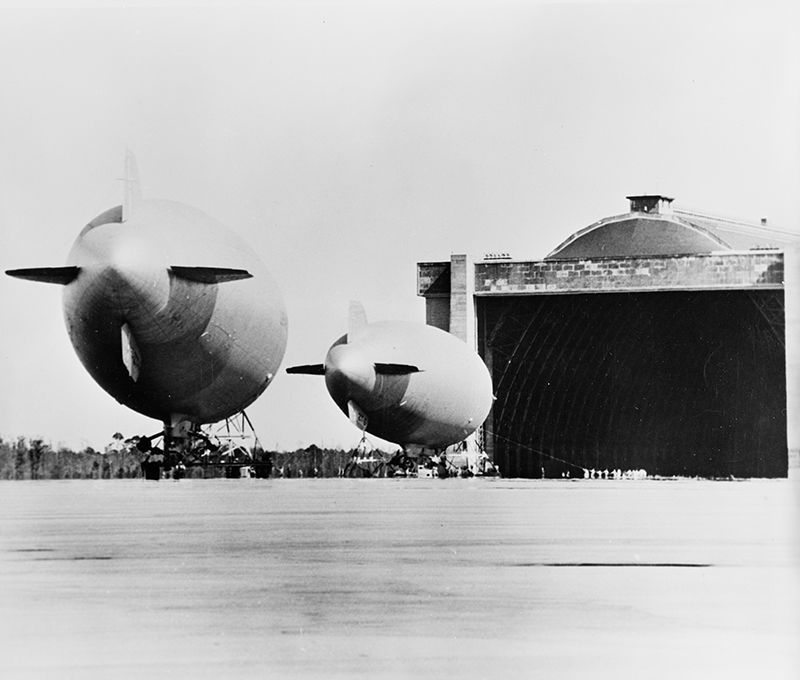
Airships are pictured circa 1942 outside a hangar at Glynco Naval Air Station in Glynn County. The station's fixed-wing and antisubmarine aircraft were integral to defending Georgia's coast from German U-boat attacks during World War II.

Courtesy of Georgia Archives, Vanishing Georgia, # gly109.
View on partner site

The New Georgia Encyclopedia does not hold the copyright for this media resource and can neither grant nor deny permission to republish or reproduce the image online or in print. Requests for permission to publish or reproduce the resource should be submitted to the Georgia Archives.

  • Info Details
  • Citation Terms of Use

The New Georgia Encyclopedia does not hold the copyright for this media resource and can neither grant nor deny permission to republish or reproduce the image online or in print. All requests for permission to publish or reproduce the resource must be submitted to the rights holder.

Airship Squadron in Brunswick, 1942

Airship Squadron in Brunswick, 1942

  • Info Details
  • Citation Terms of Use

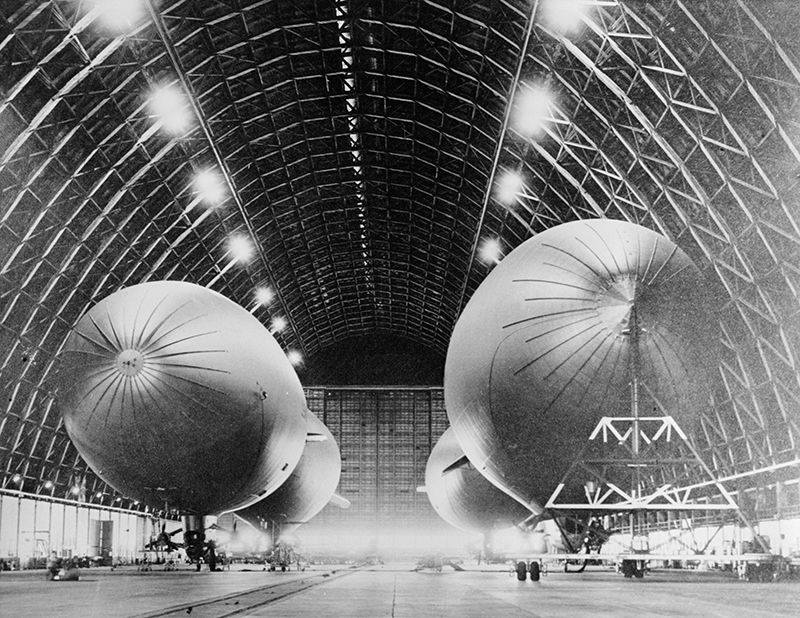
An airship Squadron at Glynco Naval Air Station near Brunswick, in Glynn County, circa 1942. These blimps were used to protect the Georgia coast from the threat of German U-boats during World War II.

Courtesy of Georgia Archives, Vanishing Georgia, # gly106.
View on partner site

The New Georgia Encyclopedia does not hold the copyright for this media resource and can neither grant nor deny permission to republish or reproduce the image online or in print. Requests for permission to publish or reproduce the resource should be submitted to the Georgia Archives.

Brunswick Shipyard

Brunswick Shipyard

  • Info Details
  • Citation Terms of Use

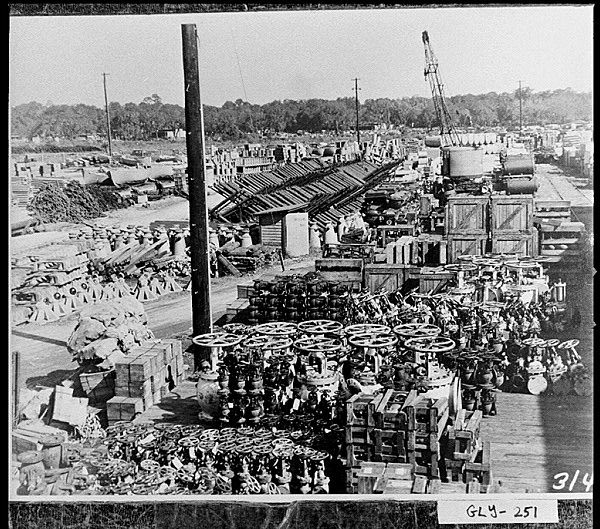
Georgia's coastal region played a critical role in the U.S. Maritime Commission's $350 million shipbuilding program. During its peak production years in 1943 and 1944, the Brunswick shipping yard employed more than 16,000 men and women and constructed ninety-nine "Liberty ships" for the war effort.

Courtesy of Georgia Archives, Vanishing Georgia, #
gly251.

View on partner site

The New Georgia Encyclopedia does not hold the copyright for this media resource and can neither grant nor deny permission to republish or reproduce the image online or in print. Requests for permission to publish or reproduce the resource should be submitted to the Georgia Archives.

  • Info Details
  • Citation Terms of Use

The New Georgia Encyclopedia does not hold the copyright for this media resource and can neither grant nor deny permission to republish or reproduce the image online or in print. All requests for permission to publish or reproduce the resource must be submitted to the rights holder.

  • Info Details
  • Citation Terms of Use

The New Georgia Encyclopedia does not hold the copyright for this media resource and can neither grant nor deny permission to republish or reproduce the image online or in print. All requests for permission to publish or reproduce the resource must be submitted to the rights holder.

Bell Aircraft Corporation, ca. 1943

Bell Aircraft Corporation, ca. 1943

  • Info Details
  • Citation Terms of Use

Bell Aircraft Corporation built B-29 bombers at its Marietta, Georgia, plant during World War II.

Courtesy of Georgia Archives, Vanishing Georgia, # cob202.
View on partner site

The New Georgia Encyclopedia does not hold the copyright for this media resource and can neither grant nor deny permission to republish or reproduce the image online or in print. Requests for permission to publish or reproduce the resource should be submitted to the Georgia Archives.

World War II Pilots

World War II Pilots

  • Info Details
  • Citation Terms of Use

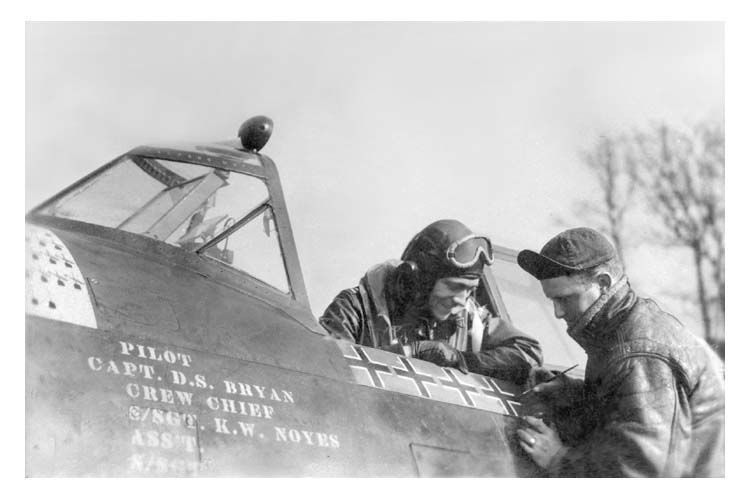
Pilots Donald Bryan (left) and K. W. Noyes paint crosses on their Republic P-47 Thunderbolt on February 24, 1944. The crosses represent victories in battle by the pilots, who served as escorts for bombers in Germany during World War II.

Courtesy of 352nd Fighter Group Association, and Sam Sox Jr. Archivist

The New Georgia Encyclopedia does not hold the copyright for this media resource and can neither grant nor deny permission to republish or reproduce the image online or in print. All requests for permission to publish or reproduce the resource must be submitted to the rights holder.

Emory University School of Medicine

Emory University School of Medicine

  • Info Details
  • Citation Terms of Use

Emory organized medical units in both world wars to care for wounded soldiers behind front lines. Recovery rooms developed during World War II for postoperative patients were so successful that they were brought home for civilian use after the war was over.
Courtesy of Stuart A. Rose Manuscript, Archives, and Rare Book Library, Emory University.

The New Georgia Encyclopedia does not hold the copyright for this media resource and can neither grant nor deny permission to republish or reproduce the image online or in print. For more information about this resource, contact the Stuart A. Rose Manuscript, Archives, and Rare Book Library at Emory University.

Fort Benning

Fort Benning

  • Info Details
  • Citation Terms of Use

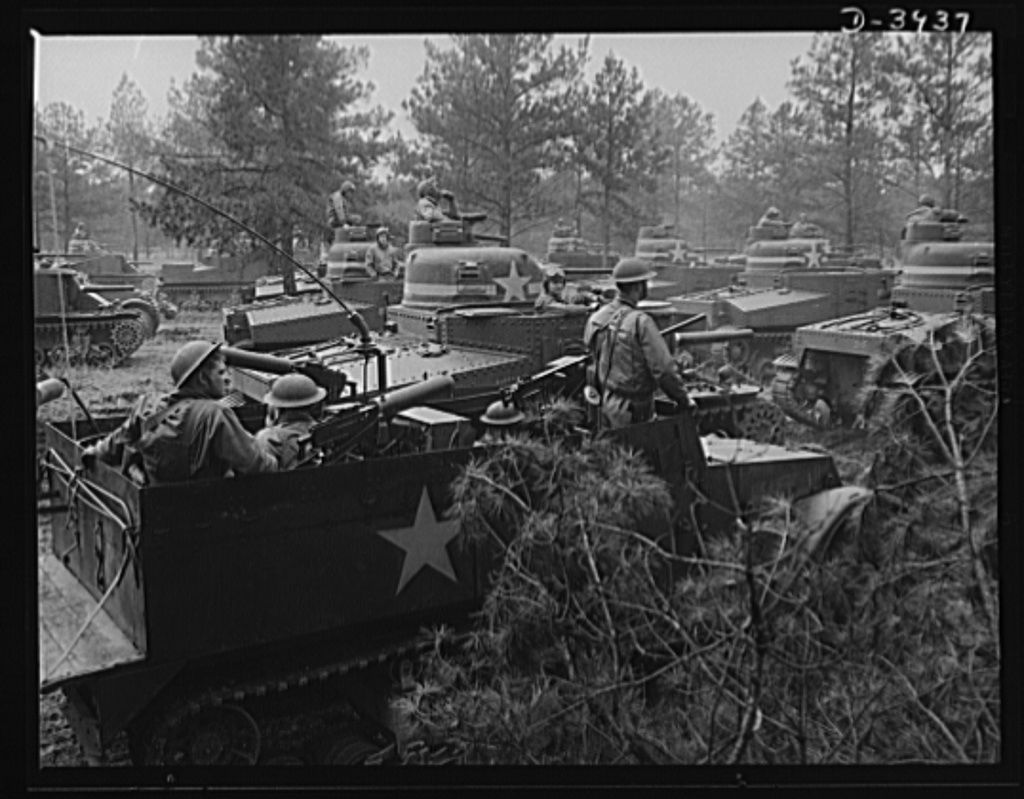
U.S. soldiers, pictured in the spring of 1942, undergo training at Fort Benning in Columbus. During World War II Fort Benning was the largest infantry training post in the world.

Courtesy of Library of Congress, Prints and Photographs Division

The New Georgia Encyclopedia does not hold the copyright for this media resource and can neither grant nor deny permission to republish or reproduce the image online or in print. All requests for permission to publish or reproduce the resource must be submitted to the rights holder.

Prisoners Socializing

Prisoners Socializing

  • Info Details
  • Citation Terms of Use

In Macon and Dublin POW camps, German prisoners of World War II were treated well and given plenty of leisure time. In many cases, these inmates retained a strong sense of camaraderie.

Courtesy of Special Collections & Archives, Georgia State University Library, Tracy O'Neal Photographic Collection.
The New Georgia Encyclopedia does not hold the copyright for this media resource and can neither grant nor deny permission to republish or reproduce the image online or in print. Requests for permission to publish or reproduce the resource should be submitted to Special Collections and Archives at Georgia State University.

Women and Wartime Employment

Women and Wartime Employment

  • Info Details
  • Citation Terms of Use

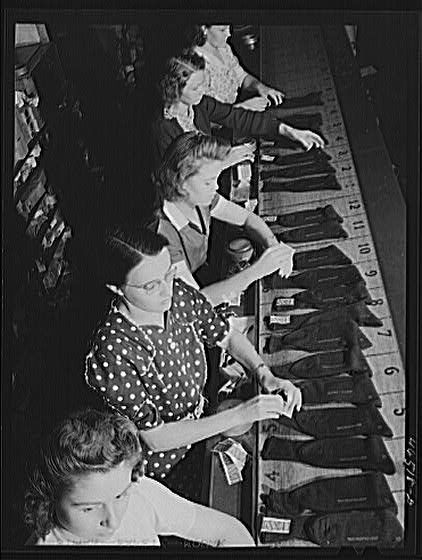
Women entered the workforce in unprecedented numbers during World War II, often working in traditionally male-dominated fields. Here, women at the Union Point Manufacturing Company in Greene County are producing textiles in 1941.

Courtesy of Library of Congress, Prints and Photographs Division, Farm Security Administration - Office of War Information Photograph Collection, #LC-USF34-046518-D.
The New Georgia Encyclopedia does not hold the copyright for this media resource and can neither grant nor deny permission to republish or reproduce the image online or in print. All requests for permission to publish or reproduce the resource must be submitted to the rights holder.

Fort Benning Workers Camp

Fort Benning Workers Camp

  • Info Details
  • Citation Terms of Use

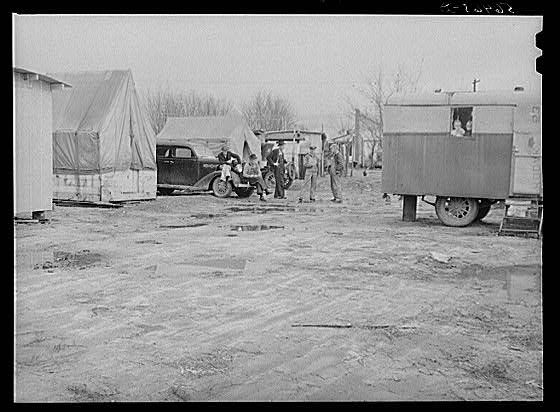
During World War II migrant workers and their families took up residence in makeshift camps like this one near Fort Benning in Columbus. The metal shelters pictured here rented for $10 a month, and trailer space rented for $2 a month.

Courtesy of Library of Congress, Prints and Photographs Division

The New Georgia Encyclopedia does not hold the copyright for this media resource and can neither grant nor deny permission to republish or reproduce the image online or in print. All requests for permission to publish or reproduce the resource must be submitted to the rights holder.

Boeing B-29 “Superfortress”

Boeing B-29 “Superfortress”

  • Info Details
  • Citation Terms of Use

The Boeing B-29 "Superfortress," first test flown in 1943, was the most advanced heavy bomber of World War II. Its powerful engines and pressurized cabin allowed the B-29 to fly higher, faster, and with a larger bomb-carrying capacity than any other airplane in its day. It served primarily in the Pacific theater of World War II and later in the Korean War.

Image from Alan Wilson
View on source site

The New Georgia Encyclopedia does not hold the copyright for this media resource and can neither grant nor deny permission to republish or reproduce the image online or in print. All requests for permission to publish or reproduce the resource must be submitted to the rights holder.

Postwar Economic Development

Postwar Economic Development

  • Info Details
  • Citation Terms of Use

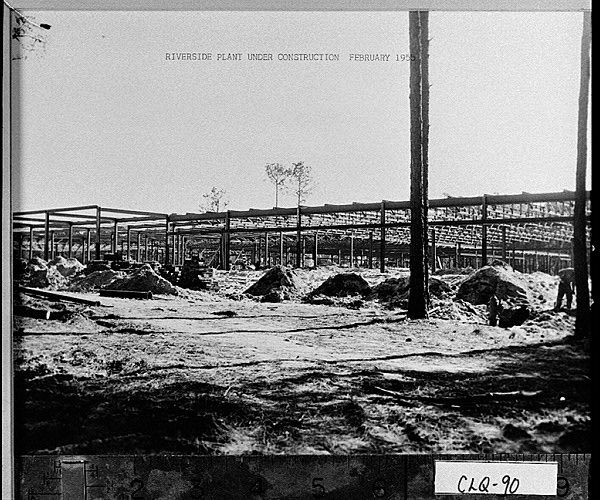
Following World War II Georgia's economy continued to expand, and hundreds of new firms opened factories throughout the state. Here, the Riverside Manufacturing Company's plant in Moultrie is pictured while under construction in 1955. Workers at the plant manufactured Masterbilt industrial uniforms.

Courtesy of Georgia Archives, Vanishing Georgia, #
clq090.
View on partner site

The New Georgia Encyclopedia does not hold the copyright for this media resource and can neither grant nor deny permission to republish or reproduce the image online or in print. Requests for permission to publish or reproduce the resource should be submitted to the Georgia Archives.

Eugene Talmadge

Eugene Talmadge

  • Info Details
  • Citation Terms of Use

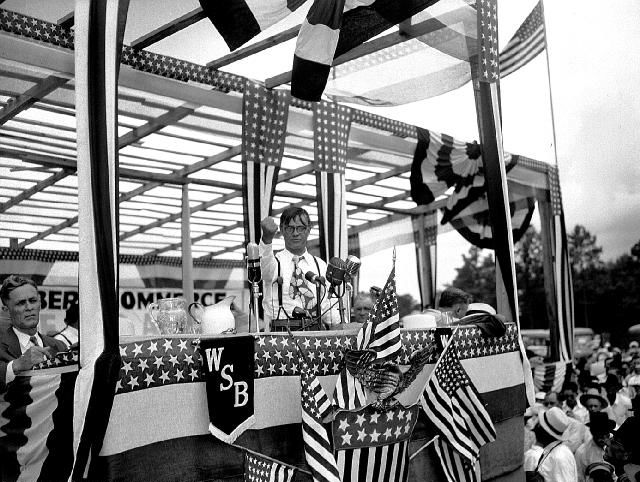
Talmadge ran for governor for a fourth term in 1946, promising to restore the white primary and to keep Blacks in their place in Jim Crow Georgia. Talmadge, who had very strong support in rural areas, won the gubernatorial nomination by obtaining a majority of the county unit votes.

Courtesy of Special Collections & Archives, Georgia State University Library.

The New Georgia Encyclopedia does not hold the copyright for this media resource and can neither grant nor deny permission to republish or reproduce the image online or in print. Requests for permission to publish or reproduce the resource should be submitted to Special Collections and Archives at Georgia State University.

  • Info Details
  • Citation Terms of Use

The New Georgia Encyclopedia does not hold the copyright for this media resource and can neither grant nor deny permission to republish or reproduce the image online or in print. All requests for permission to publish or reproduce the resource must be submitted to the rights holder.

  • Info Details
  • Citation Terms of Use

The New Georgia Encyclopedia does not hold the copyright for this media resource and can neither grant nor deny permission to republish or reproduce the image online or in print. All requests for permission to publish or reproduce the resource must be submitted to the rights holder.

  • Info Details
  • Citation Terms of Use

The New Georgia Encyclopedia does not hold the copyright for this media resource and can neither grant nor deny permission to republish or reproduce the image online or in print. All requests for permission to publish or reproduce the resource must be submitted to the rights holder.

Hoke Smith

Hoke Smith

  • Info Details
  • Citation Terms of Use

Hoke Smith provoked rising racial tensions in the state by running on a platform of Black disenfranchisement during the gubernatorial campaign of 1906. The atmosphere of racial unrest resulted in the eruption of the Atlanta race riot in September 1906.
Courtesy of Hargrett Rare Book and Manuscript Library, University of Georgia Libraries.

The New Georgia Encyclopedia does not hold the copyright for this media resource and can neither grant nor deny permission to republish or reproduce the image online or in print. Requests for permission to publish or reproduce the resource should be submitted to the Hargrett Manuscript and Rare Book Library at the University of Georgia.

Walter White

Walter White

  • Info Details
  • Citation Terms of Use

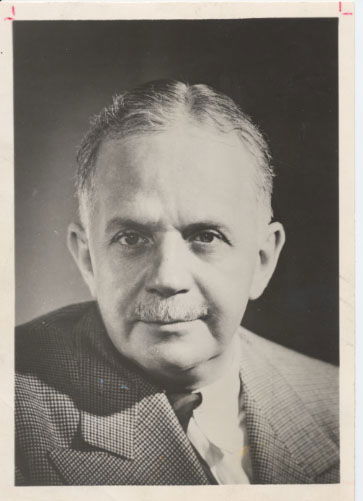
Walter White, a prominent civil rights activist in Atlanta during the first half of the twentieth century, became the executive secretary of the NAACP in 1931 and served in that position until his death in 1955. In 1948 White published a memoir, A Man Called White, which details his family's experience of the 1906 Atlanta race riot.

Courtesy of Atlanta University Center, Robert W. Woodruff Library Archives.

The New Georgia Encyclopedia does not hold the copyright for this media resource and can neither grant nor deny permission to republish or reproduce the image online or in print. All requests for permission to publish or reproduce the resource must be submitted to the Atlanta University Center Robert W. Woodruff Library and Archives Research Center.

Le Petit Journal

Le Petit Journal

  • Info Details
  • Citation Terms of Use

The race massacre of 1906 made international headlines and threatened Atlanta's image as a thriving New South city. The incident, sparked by sensationalized accounts of Black violence, lasted for two nights and resulted in dozens of Black deaths. It was reported in the October 7, 1906, issue of the French publication Le Petit Journal. The original caption translates as "Lynchings in the United States."

The New Georgia Encyclopedia does not hold the copyright for this media resource and can neither grant nor deny permission to republish or reproduce the image online or in print. All requests for permission to publish or reproduce the resource must be submitted to the rights holder.

106th Field Signal Battalion

106th Field Signal Battalion

  • Info Details
  • Citation Terms of Use

The 106th Field Signal Battalion marches near Camp Wheeler in Macon, circa 1918. During World War I Camp Wheeler was one of the largest war-training camps in Georgia.

Courtesy of Todd Womack

The New Georgia Encyclopedia does not hold the copyright for this media resource and can neither grant nor deny permission to republish or reproduce the image online or in print. All requests for permission to publish or reproduce the resource must be submitted to the rights holder.

Otranto

Otranto

  • Info Details
  • Citation Terms of Use

The tragic 1918 sinking of the British Otranto upset many Georgia communities. Nearly every county in the state lost at least one man when the ship went down off the coast of Scotland.

Courtesy of Todd Womack

The New Georgia Encyclopedia does not hold the copyright for this media resource and can neither grant nor deny permission to republish or reproduce the image online or in print. All requests for permission to publish or reproduce the resource must be submitted to the rights holder.

Camp Hancock

Camp Hancock

  • Info Details
  • Citation Terms of Use

Two soldiers from the Twenty-eighth Division stand guard in 1917 at Camp Hancock, just outside Augusta. During World War I (1917-18), Georgia was an important area for military training.

Courtesy of Todd Womack

The New Georgia Encyclopedia does not hold the copyright for this media resource and can neither grant nor deny permission to republish or reproduce the image online or in print. All requests for permission to publish or reproduce the resource must be submitted to the rights holder.

Camp Gordon

Camp Gordon

  • Info Details
  • Citation Terms of Use

A group of Black soldiers at Camp Gordon. Many white men in Georgia sought to prevent Black men from being drafted. As in the Civil War, when some enslavers refused to loan enslaved people to the Confederate government for various kinds of war work, some land-owning whites in 1917 refused to allow their Black sharecroppers to register for the draft or to report for duty once they had been called.

Courtesy of National Archives and Records Administration.

View on partner site

Most government records are in the public domain. Please consult the National Archives and Records Administration for more information.

  • Info Details
  • Citation Terms of Use

The New Georgia Encyclopedia does not hold the copyright for this media resource and can neither grant nor deny permission to republish or reproduce the image online or in print. All requests for permission to publish or reproduce the resource must be submitted to the rights holder.

Fort Screven

Fort Screven

  • Info Details
  • Citation Terms of Use

The Savannah Volunteer Guards occupy tents at Fort Screven in 1917, when the United States entered World War I. Built on Tybee Island from 1885 to 1897, Fort Screven was one of the state's five major military installations at that time.

Courtesy of Georgia Archives, Vanishing Georgia, # ctm194.

View on partner site

The New Georgia Encyclopedia does not hold the copyright for this media resource and can neither grant nor deny permission to republish or reproduce the image online or in print. Requests for permission to publish or reproduce the resource should be submitted to the Georgia Archives.

Spirit of the American Doughboy

Spirit of the American Doughboy

  • Info Details
  • Citation Terms of Use

A postcard depicts Ernest M. Viquesney's sculpture, Spirit of the American Doughboy, which stands in downtown Waycross. Viquesney produced more than 150 of these statues for towns across Georgia between 1921 and 1943.

Courtesy of Todd Womack

The New Georgia Encyclopedia does not hold the copyright for this media resource and can neither grant nor deny permission to republish or reproduce the image online or in print. All requests for permission to publish or reproduce the resource must be submitted to the rights holder.

U-123 Glynco Naval Air Station
Airship Squadron in Brunswick, 1942 Brunswick Shipyard
Bell Aircraft Corporation, ca. 1943 World War II Pilots Emory University School of Medicine Fort Benning Prisoners Socializing Women and Wartime Employment Fort Benning Workers Camp Boeing B-29 “Superfortress” Postwar Economic Development Eugene Talmadge
Hoke Smith Walter White Le Petit Journal 106th Field Signal Battalion Otranto Camp Hancock Camp Gordon
Fort Screven Spirit of the American Doughboy