Located in northwest Georgia, forty-four miles north of Atlanta and seventy-nine miles south of Chattanooga, Tennessee, on Interstate 75, Cartersville is the seat of Bartow County.

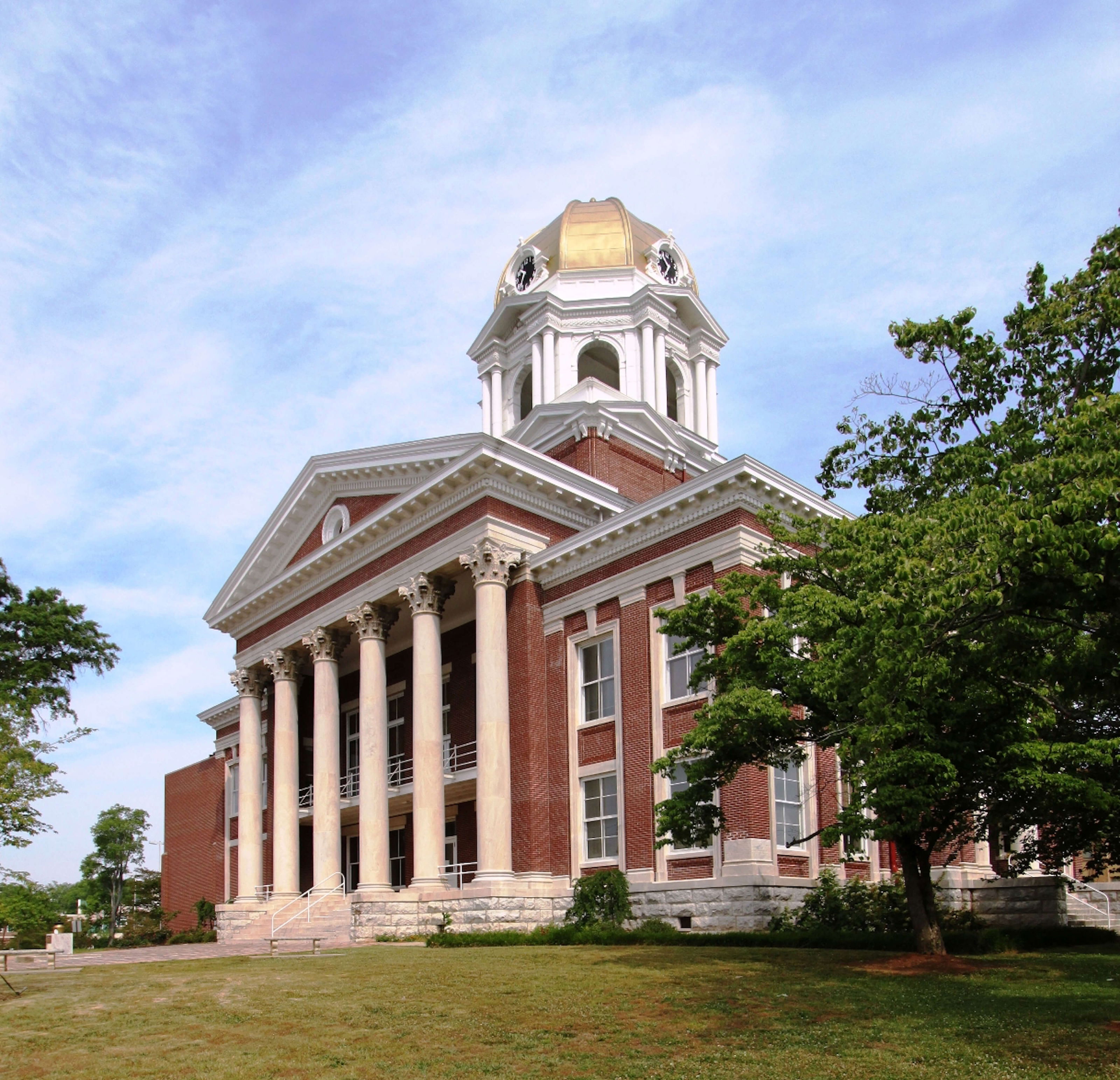
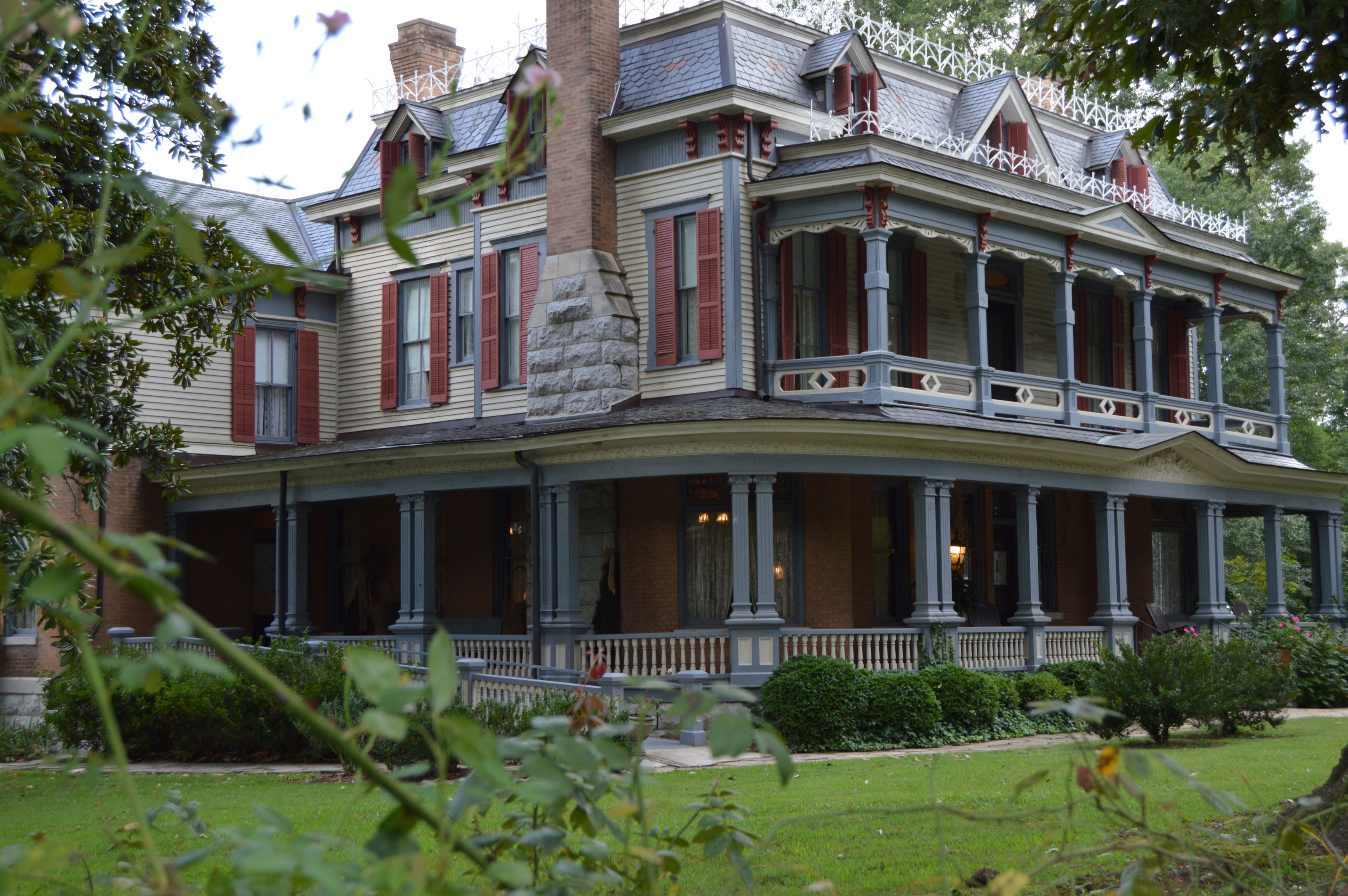
Cultural and historical attractions include five museums (the Booth Western Art Museum, the Tellus Science Museum, the Rose Lawn House Museum, the Savoy Automobile Museum, and the Bartow History Museum), two performing arts centers (the Legion Theatre and the Grand Theatre), the Pumphouse Players theater company, Oak Hill Cemetery, and the Etowah Indian Mounds. In addition, Cartersville has two historic courthouses (the second one was built in 1901 on a hilltop some distance from the train tracks in an effort to avoid the noise from constant train traffic that made holding court in the original building impossible), over a dozen locations listed on the National Register of Historic Places, and two unique features in its revitalized historic downtown: the Friendship Monument, originally erected at Etowah in 1860 by Mark Cooper to pay tribute to the friends who helped him through financial crisis, and the first outdoor painted wall advertisement for Coca-Cola, painted in 1894.
History
Immediately after Cherokee Removal in 1838-39, Cartersville was settled in anticipation of the construction of the Western and Atlantic Railroad (W&A) through the Etowah Valley. Supposedly named for Colonel Farish Carter, a wealthy Georgia planter and entrepreneur, Cartersville was incorporated in 1850. Migration via the Alabama Road, originally an Indian trace leading west through the Cartersville area, accounted for much of its early growth, as did the W&A, which allowed the exportation of natural resources. An abundance of iron ore in the region sparked an early, though short-lived, iron industry pioneered by ironmasters Jacob and Moses Stroup.

Cartersville saw only one minor skirmish during the Civil War (1861-65), on May 20, 1864, when Confederate troops under the command of General Joseph E. Johnston occupied the depot, holding Union forces at bay while fellow Confederates escaped south across the Etowah River. The depot fell to Union fire by nightfall, and occupation followed. After the destruction of the original county seat of Cassville in 1864, Cartersville became the new seat of government in 1867.
Economy
Cartersville’s economy had long relied heavily on cotton. Infestation by the boll weevil in 1917 devastated cotton production, causing a depressed economy that, even though supplemented with state road projects, remained weak until the construction of Allatoona Dam, a few miles east of the city, in 1950. The subsequent creation of Lake Allatoona and nearby Red Top Mountain State Park further improved the economy.
By the mid-1970s Cartersville’s agrarian economy had given way to an industrial economy, supplemented by increasing tourism. New Riverside Ochre (ochre mining and processing) and Vulcan Materials (construction aggregate mining) are the only mining industries left that take advantage of the area’s natural resources. The Chemical Products Corporation (barite ore processing) closed its Cartersville plant in 2024. Major manufacturers include Shaw Industries (carpets), Toyo (tires), and Anheuser-Busch (beverages). Though manufacturers like Thrall Car (railroad boxcars) and Birmingham Steel have ceased production in Cartersville, companies in the battery and solar panel industries have increased their investment in the region. Cartersville also serves as the corporate headquarters for Phoenix Air, an international air charter company operating out of Cartersville Airport, and the former Midway Phoenix Corporation, which managed flights to Midway Island, a key post in the Pacific theater of World War II (1941-45) and now a national wildlife refuge.
Population
Though relatively small, Cartersville has been home to a number of prominent politicians, jurists, and religious leaders. Former citizens include evangelists Sam Jones and Lottie Moon, Confederate generals P.M.B. Young and William Wofford, politicians William and Rebecca Latimer Felton, humorist Bill Arp, railroad and iron industrialist Mark Cooper, U.S. attorney general Amos T. Akerman, Georgia governor Joe Frank Harris, and Chief Justice Robert Benham of the Supreme Court of Georgia.
In 1850, when the town was incorporated, Cartersville had about 150 citizens; within two years its population exceeded 2,400. A steady increase until 1880 was followed by sixty years of stagnation, as the population remained consistently near 5,000. From 1940 to the early 1990s, increased jobs through industry and tourism more than doubled the population, to 12,035. Cartersville was selected for the 1993 edition of the book The 100 Best Small Towns in America. This recognition, coupled with the growth of metropolitan Atlanta, probably accounts for the significant population growth experienced in the late twentieth century. The density of Cartersville’s museums and cultural attractions continue to be a draw for the area. According to the U.S. Census, more than 23,000 people called Cartersville home in 2020. Demographically, Cartersville has remained predominantly white. About one in five residents is African American, and Latinos now account for more than ten percent of the town’s population.