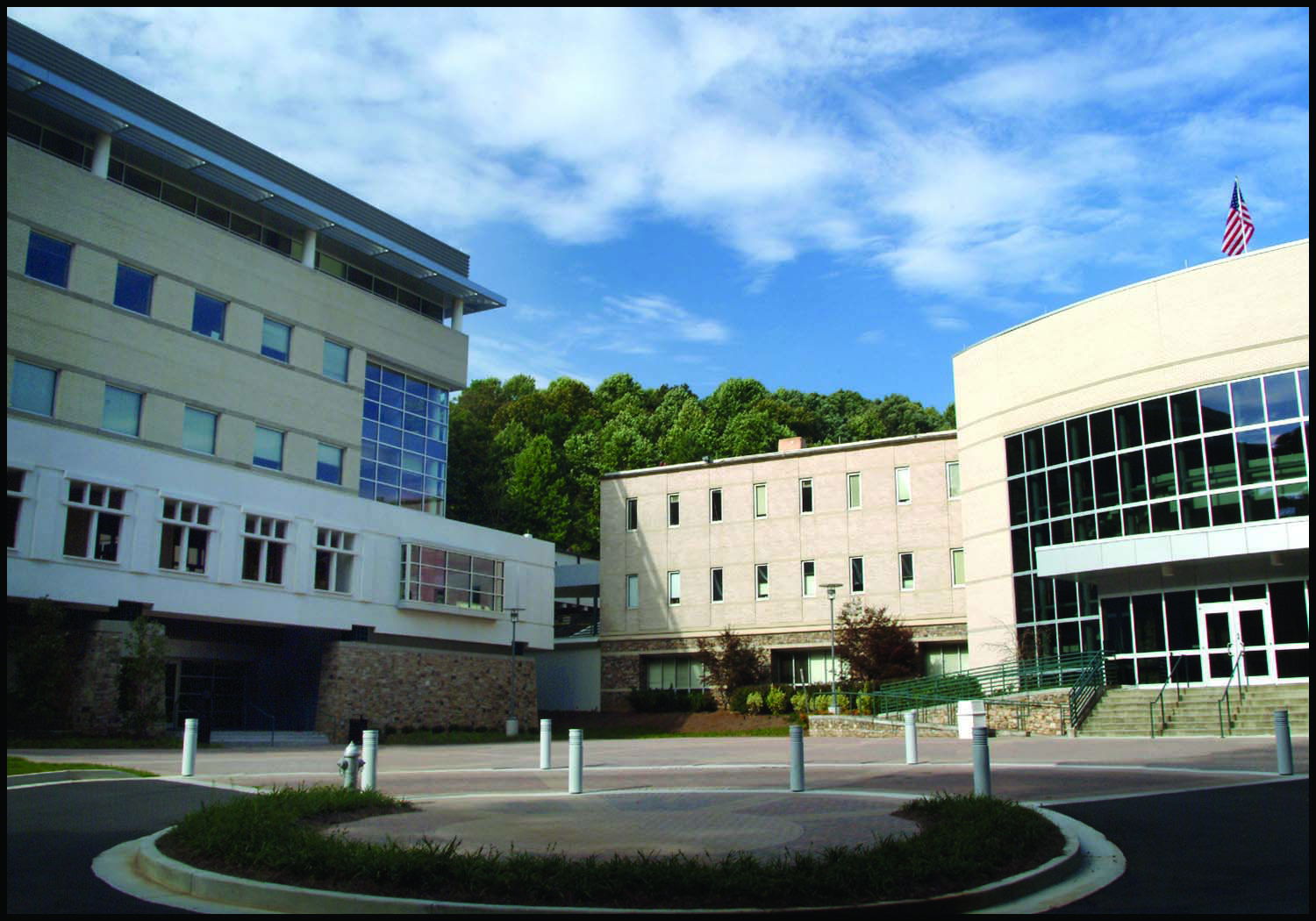
The Emory National Primate Research Center, also known as the Emory Primate Center (EPC), and formerly known as the Yerkes National Primate Research Center, is one of only seven U.S. national research centers partnered with the National Institutes of Health (NIH) for the biomedical and behavioral study of nonhuman primates (NHPs).
Each center is affiliated with an academic institution; the EPC is administered by Emory University in Atlanta as part of the Woodruff Health Sciences Center and is supported, in part, by the NIH’s Office of Research Infrastructure Programs. The close resemblance between the behavioral and biological functions of NHPs and humans makes NHP research crucial in developing treatment and prevention strategies for human health disorders.
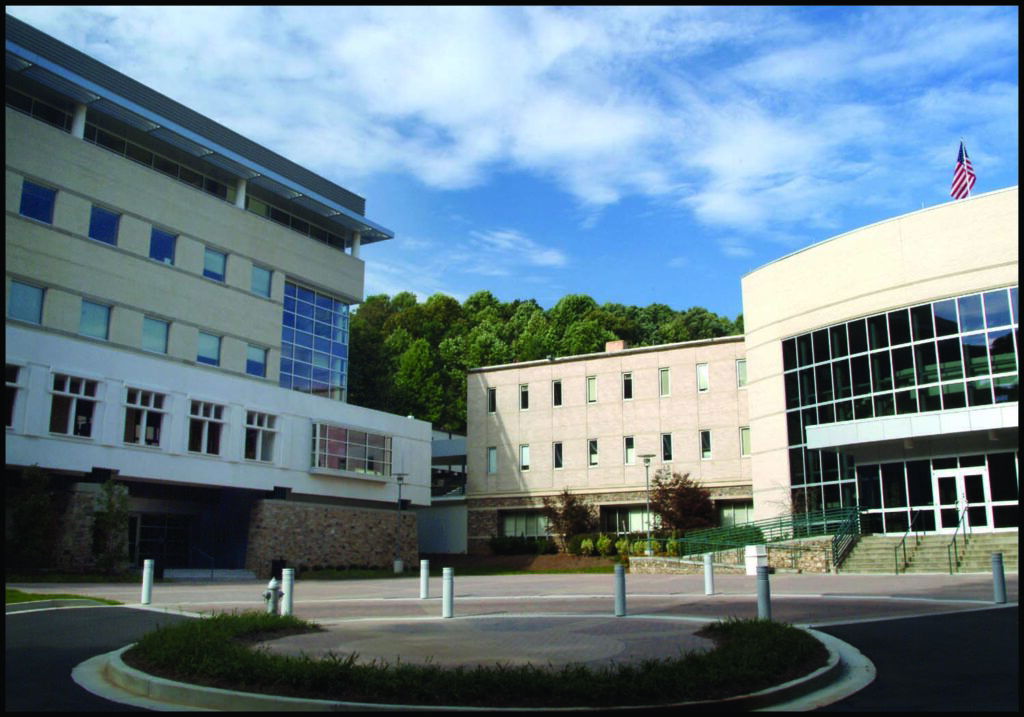
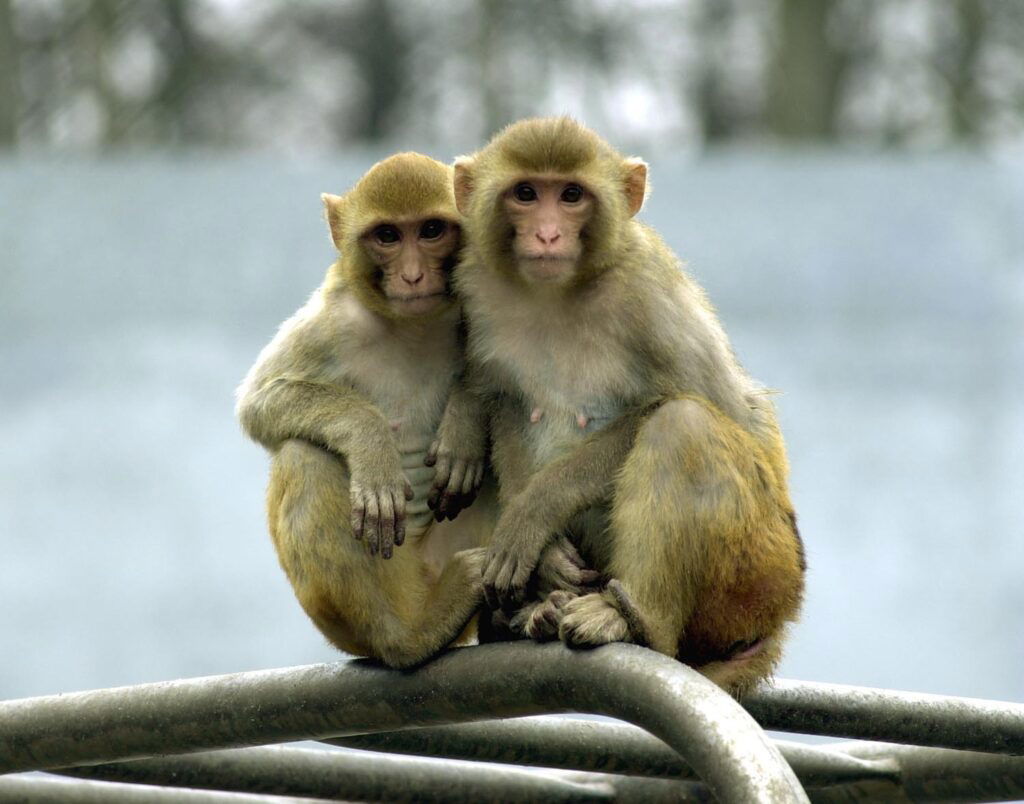
The EPC comprises two locations: a 25-acre Main Center on the Emory University campus, which houses approximately 1,000 NHPs as well as about 5,000 rodents, and a 117-acre Field Station in Lawrenceville, which houses approximately 2,500 NHPs. The Main Center focuses on biomedical research, while the Field Station focuses on behavioral research and is home to the rhesus macaque breeding colony.
History
The center was founded by Robert Mearns Yerkes, one of the earliest champions of NHP research. He earned a Ph.D. in psychology from Harvard University in Cambridge, Massachusetts, in 1902. Following his influential World War I (1917-18) military work at the National Research Council, Yerkes accepted an appointment to a research position at Yale University in New Haven, Connecticut, at the Institute of Psychology, where he created facilities for behavioral research on primates in 1928. A year later he moved the Yale Laboratories of Primate Biology to Orange Park, Florida, which provided opportunities for observing and breeding primates in a climate similar to their native habitat. While Yerkes directed the laboratories (1929-41), the emphasis was on behavioral studies. After Yerkes retired, Yale changed the name of the facility to Yerkes Research Center in honor of the founder’s pioneering work.
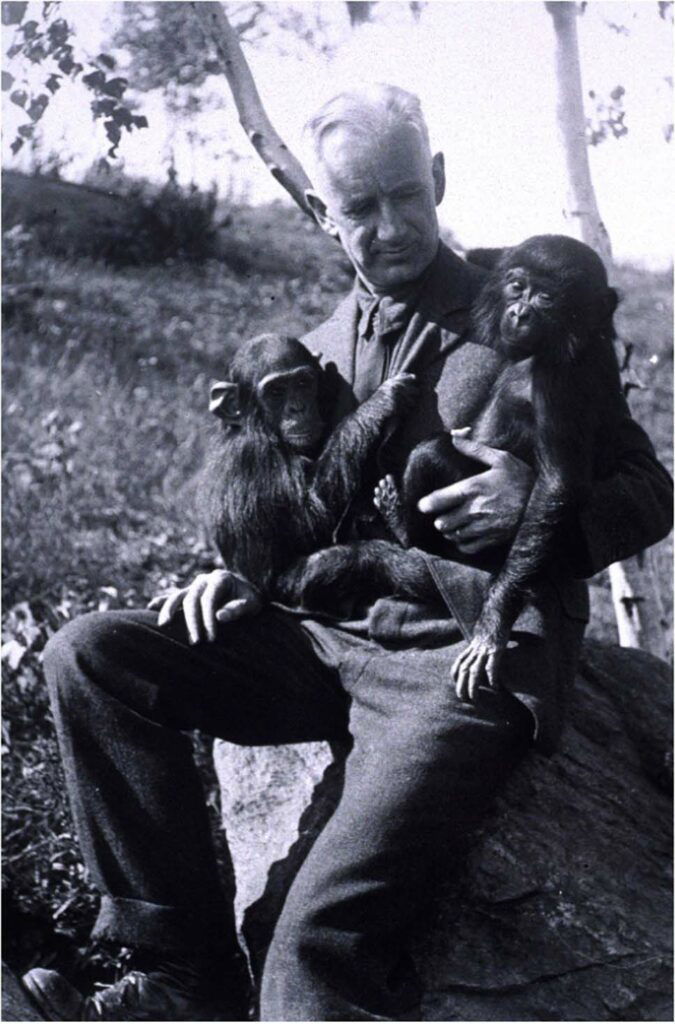
By the 1950s laboratory maintenance and the travel required from New Haven proved impractical for researchers. Thus in 1956, after Yerkes’s death, Yale University arranged for Emory to take ownership of Yerkes Research Center. During this decade, American physicians visited a Soviet laboratory conducting cardiac studies with primates. The U.S. doctors were impressed with this success in comparative medicine—the study of animals to learn the mechanisms of human disease—and became advocates for primate research facilities at home.
In 1960 Congress empowered the NIH to provide specialized resources for scientists working with primates. Over the next few years, the NIH dedicated seven existing facilities as Regional Primate Research Centers; Emory’s Yerkes Center was among them. With federal funding, Emory was able to construct both the main campus and the field station. The Yerkes Regional Primate Center moved to Georgia in 1965. In 2002 the center was renamed the Yerkes National Primate Research Center by the NIH.
In 2022 Emory University announced that the Yerkes National Primate Research Center would be renamed the Emory National Primate Research Center, effective June 1. The name change followed a recommendation from Emory’s University Committee on Naming Honors, which reviewed Yerkes’s legacy and his association with eugenics.
Research and Care
The EPC’s mission is to conduct and support research related to human health by providing facilities, specialized knowledge, and resources for affiliated scientists and researchers. EPC’s research priorities include infectious and noninfectious diseases, progressive illnesses such as Parkinson’s disease and Alzheimer’s disease, autism spectrum disorder, fear- and anxiety-related disorders, evolutionary links between biology and behavior, and brain imaging. The EPC has contributed to the understanding of the AIDS virus and toward the development of a vaccine against it. Researchers in neuroscience have made discoveries in the areas of cognitive decline, psychiatric illnesses, drug addiction, and organ transplantation that have led to improved treatments.
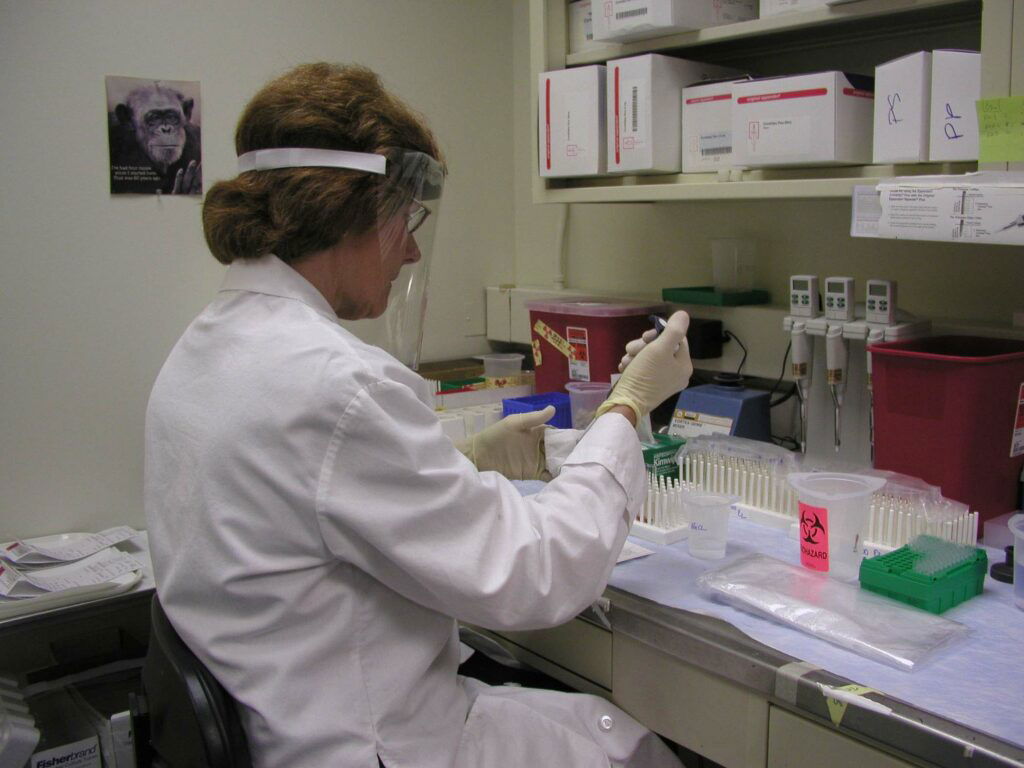
NHP medical research has served as a link between small-animal research and clinical trials in human medicine. But the similarities that make research on NHPs important also make comparative testing on them controversial. Animal welfare organizations and other critics have raised concerns about the use of NHPs in research. In 2006 primatologist Jane Goodall and eighteen other researchers urged federal officials to oppose a Yerkes proposal for AIDS-related research on sooty mangabey monkeys. The EPC recognizes concerns regarding the use of primates and states that it follows regulations and guidelines established by the National Institutes of Health, the U.S. Department of Agriculture, and Emory’s Institutional Animal Care and Use Committee. The center has also maintained full accreditation from AAALAC, an independent organization that evaluates animal care and use programs.
The EPC continues to support research in areas including infectious diseases, neuroscience, behavioral studies, and other fields related to human health.