Skip to content
New Georgia Encyclopedia
  • Home
  • Articles & Media
  • Browse by Topic
  • Browse Collections
  • Browse Georgia Standards
  • A-Z Index
  • Exhibitions
  • Educators
  • Browse    Chevron down
  • Exhibitions
  • Educators
By Topic Content Collections Georgia Standards A-Z Index Arrow right
  • Arts & Culture

    Arts & Culture

  • Business & Economy

    Business & Economy

  • Counties, Cities & Neighborhoods

    Counties, Cities & Neighborhoods

  • Education

    Education

  • Geography & Environment

    Geography & Environment

  • Government & Politics

    Government & Politics

  • History & Archaeology

    History & Archaeology

  • People

    People

  • Science & Medicine

    Science & Medicine

  • Sports & Outdoor Recreation

    Sports & Outdoor Recreation

Frankie Welch’s Americana
Featured

Frankie Welch’s Americana

Fashion and politics from Georgia-born designer Frankie Welch

Stamp Collection
Featured

Stamp Collection

Stamps honoring the political figures, artists, and culture of Georgia.

Recently Added
View All Arrow right
City Page: Atlanta

City Page: Atlanta

Stamp Collection

Stamp Collection

Frankie Welch’s Americana

Frankie Welch’s Americana

  • Georgia Studies

    Georgia Studies

    Eighth Grade
  • Georgia, My State

    Georgia, My State

    Second Grade
All Topics Arrow right Arts & Culture Arrow right Architecture & Historic Preservation Arrow right Architecture: Design Arrow right

Early Victorian Period

Bruce and Morgan

Bruce and Morgan

W. F. Denny

W. F. Denny

1874-1905
Fay and Eichberg

Fay and Eichberg

Edmund G. Lind

Edmund G. Lind

1829-1909
G. L. Norrman

G. L. Norrman

1848-1909
William H. Parkins

William H. Parkins

1836-1894
John Wellborn Root

John Wellborn Root

1850-1891
Early Victorian Architecture

Early Victorian Architecture

Overview
Loading
Star

Featured Content

Harriet Powers

Harriet Powers

People
Civil Rights Movement

Civil Rights Movement

Mid- to Late 20th Century Topics
Trending

Trending

Georgia Guidestones

Georgia Guidestones

Sites & Museums
CNN

CNN

Television
Ted Turner

Ted Turner

People
James D. Bulloch

James D. Bulloch

People
Clock

Updated Recently

Morris Brown College

Morris Brown College

3 days ago
Burke County

Burke County

3 days ago
CNN

CNN

3 days ago
Ted Turner

Ted Turner

1 week ago

A More Perfect Union

The New Georgia Encyclopedia is supported by funding from A More Perfect Union, a special initiative of the National Endowment for the Humanities.

Learn More
New Georgia Encyclopedia
ISSN 2765-8732
Project Partners
logo-press UGA Press logo-galileo GALILEO logo-humanities Georgia Humanities logo-seal Office of the Governor logo-libraries UGA Libraries
Articles & Media
  • Browse by Topic
  • Content Collections
  • Georgia Standards
Special Content
  • Quizzes
  • Exhibitions
  • Spotify Playlists
  • Georgia Exhibits
  • Educator Resources
About
  • The Project
  • The People
  • Sponsors & Partners
Editorial
  • Our Process
  • Contributor Info
  • Permissions & Use
Stay in Touch
Facebook Instagram Twitter Contact Us
Donate to the NGE

Your support helps us commission new entries and update existing content.

Donate

© 2004–2026 Georgia Humanities, University of Georgia Press

  • Terms of Use
  • Privacy Policy

Media gallery

Rhodes Hall

Rhodes Hall

  • Info Details
  • Citation Terms of Use

Rhodes Hall in Atlanta (1903) is a late example of picturesque Victorian, with its irregular floor plan and massive exterior features in the Romanesque Revival style, accented with castlelike, crenellated towers and parapets. It is one of the finest examples of W. F. Denny's residential work.

Image from Lars Juhl Jensen

View on source site

The New Georgia Encyclopedia does not hold the copyright for this media resource and can neither grant nor deny permission to republish or reproduce the image online or in print. All requests for permission to publish or reproduce the resource must be submitted to the rights holder.

Telfair Hospital for Females

Telfair Hospital for Females

  • Info Details
  • Citation Terms of Use

The Telfair Hospital for Females, in Savannah, was built in 1884 in the Italianate style by the architectural firm of Fay and Eichberg. Funding for the hospital was provided for in Mary Telfair's will, and by 1960, when it merged with Candler General Hospital, the facility had become the longest-operating women's hospital in the country.

Courtesy of Library of Congress, Prints and Photographs Division, Historic American Buildings Survey, Photograph by Walter Smalling Jr..

View on source site

The New Georgia Encyclopedia does not hold the copyright for this media resource and can neither grant nor deny permission to republish or reproduce the image online or in print. All requests for permission to publish or reproduce the resource must be submitted to the rights holder.

  • Info Details
  • Citation Terms of Use

The New Georgia Encyclopedia does not hold the copyright for this media resource and can neither grant nor deny permission to republish or reproduce the image online or in print. All requests for permission to publish or reproduce the resource must be submitted to the rights holder.

  • Info Details
  • Citation Terms of Use

The New Georgia Encyclopedia does not hold the copyright for this media resource and can neither grant nor deny permission to republish or reproduce the image online or in print. All requests for permission to publish or reproduce the resource must be submitted to the rights holder.

Brunswick City Hall

Brunswick City Hall

  • Info Details
  • Citation Terms of Use

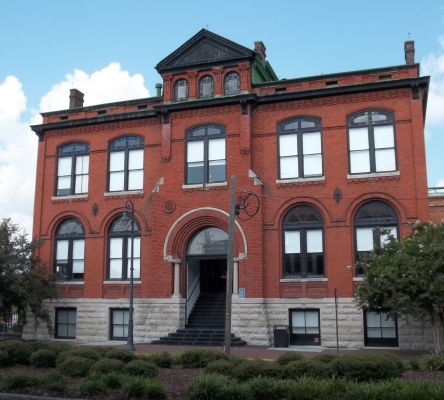
The Brunswick City Hall was built in 1889 in the Romanesque Revival style by architect Alfred S. Eichberg, who had been in a successful practice with Calvin Fay.

Image from Renégat
View on source site

The New Georgia Encyclopedia does not hold the copyright for this media resource and can neither grant nor deny permission to republish or reproduce the image online or in print. All requests for permission to publish or reproduce the resource must be submitted to the rights holder.

  • Info Details
  • Citation Terms of Use

The New Georgia Encyclopedia does not hold the copyright for this media resource and can neither grant nor deny permission to republish or reproduce the image online or in print. All requests for permission to publish or reproduce the resource must be submitted to the rights holder.

Clark Hall

Clark Hall

  • Info Details
  • Citation Terms of Use

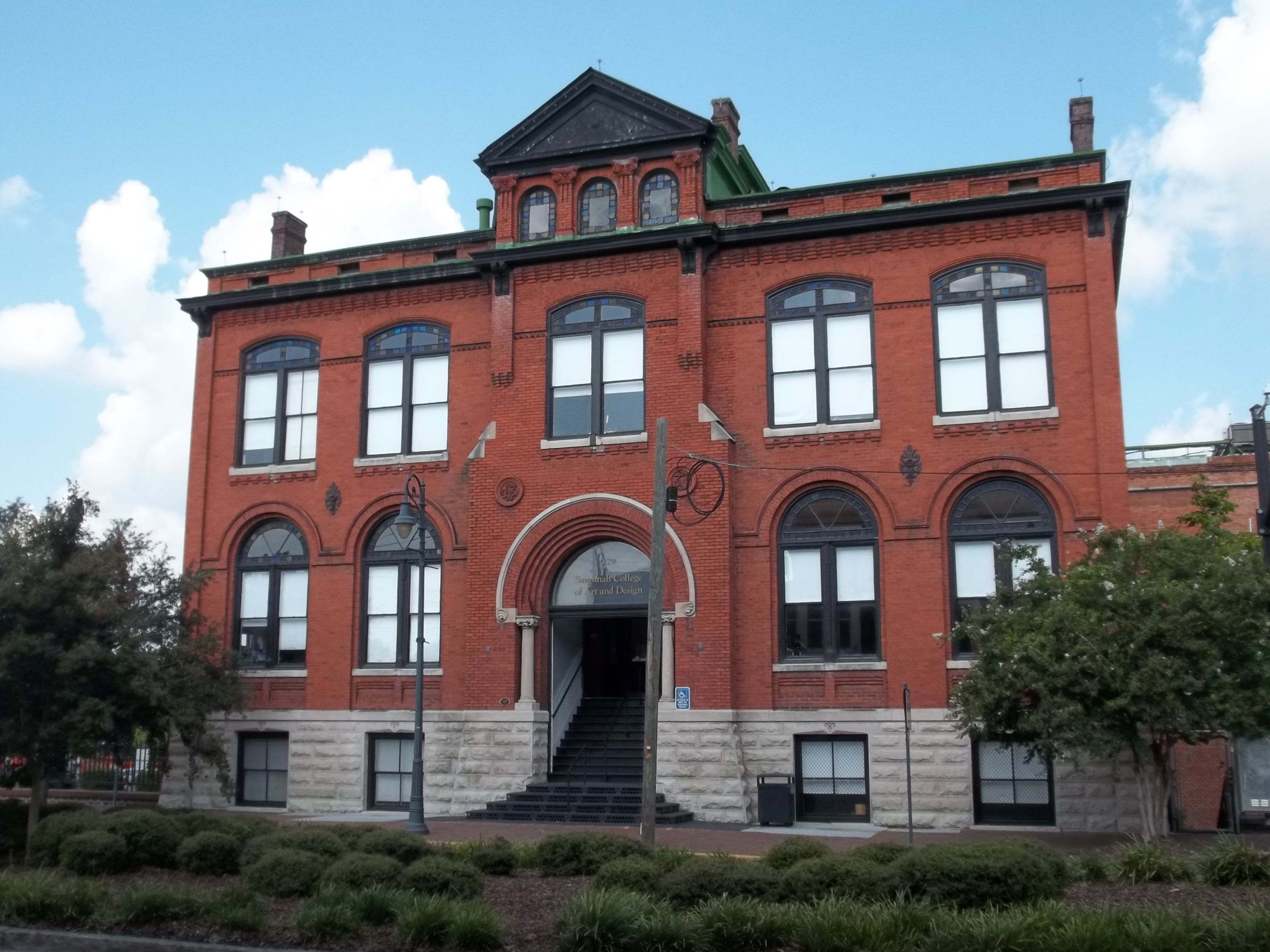
Clark Hall, formerly Eichberg Hall, designed by the firm of Fay and Eichberg and built in 1887 for the Central of Georgia Railway, today houses the architecture program at the Savannah College of Art and Design.

Image from Ebyabe
The New Georgia Encyclopedia does not hold the copyright for this media resource and can neither grant nor deny permission to republish or reproduce the image online or in print. All requests for permission to publish or reproduce the resource must be submitted to the rights holder.

  • Info Details
  • Citation Terms of Use

The New Georgia Encyclopedia does not hold the copyright for this media resource and can neither grant nor deny permission to republish or reproduce the image online or in print. All requests for permission to publish or reproduce the resource must be submitted to the rights holder.

  • Info Details
  • Citation Terms of Use

The New Georgia Encyclopedia does not hold the copyright for this media resource and can neither grant nor deny permission to republish or reproduce the image online or in print. All requests for permission to publish or reproduce the resource must be submitted to the rights holder.

St. John’s Episcopal Church

St. John’s Episcopal Church

  • Info Details
  • Citation Terms of Use

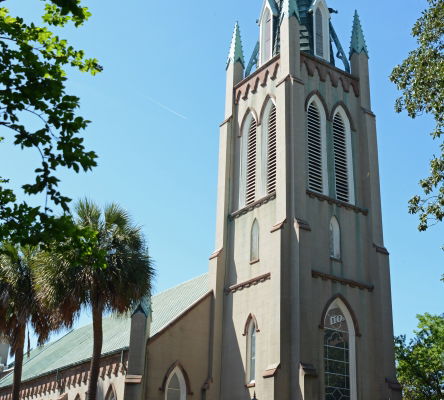
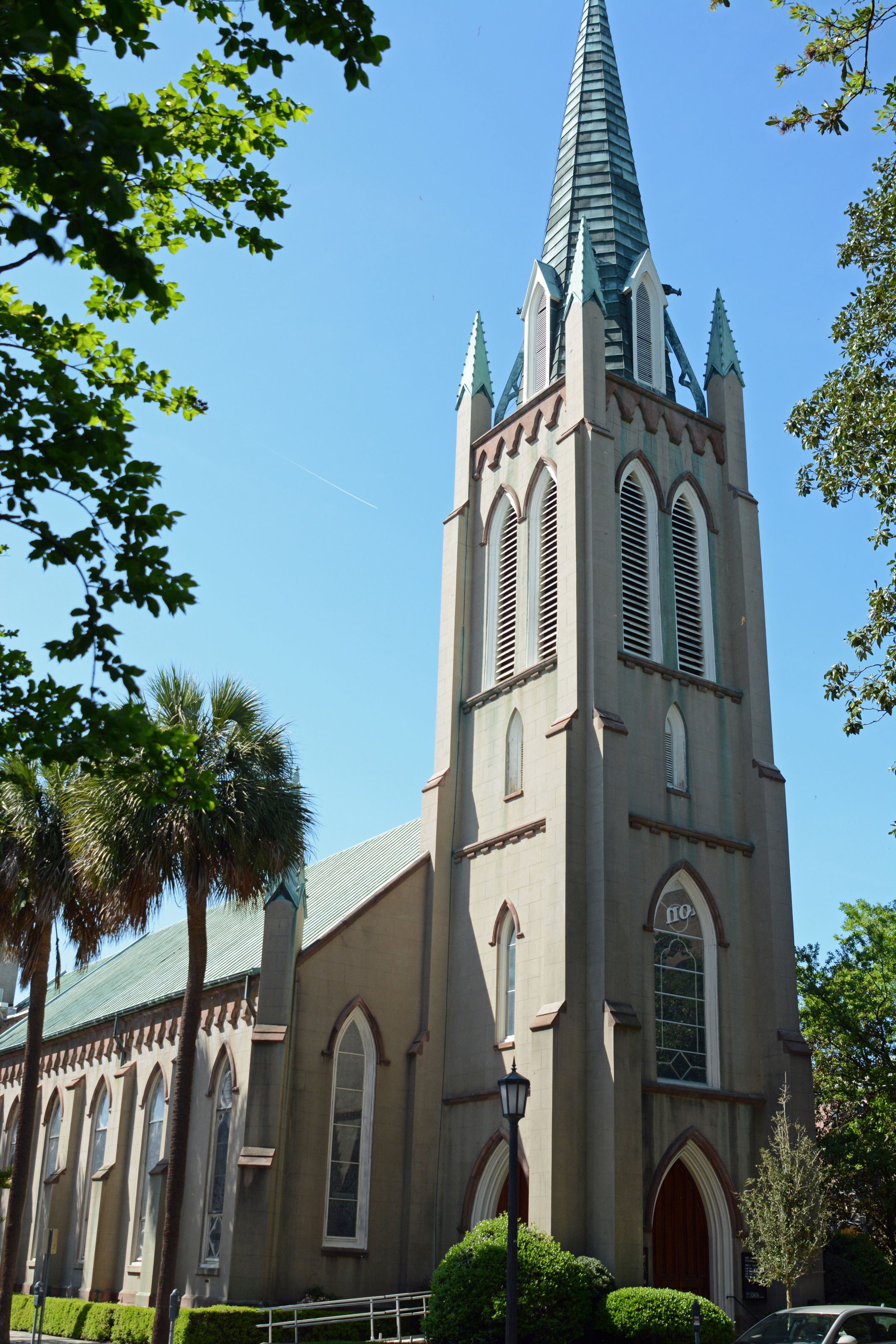
One of the first Gothic revival churches in the state was St. John's Episcopal in Savannah, designed in 1850 by New York architect Calvin Otis and supervised by architect Calvin Fay. St. John's has distinctive pointed arches, buttresses, and great hammerbeam trusses on its interior.

Image from Jud McCranie

The New Georgia Encyclopedia does not hold the copyright for this media resource and can neither grant nor deny permission to republish or reproduce the image online or in print. All requests for permission to publish or reproduce the resource must be submitted to the rights holder.

Newton County Courthouse

Newton County Courthouse

  • Info Details
  • Citation Terms of Use

The Newton County Courthouse in Covington was built in 1884 on the site of the previous courthouse. The building was designed in the Second Empire style by Bruce and Morgan, the most successful architectural firm in Georgia of its time.

Courtesy of Don Bowman

The New Georgia Encyclopedia does not hold the copyright for this media resource and can neither grant nor deny permission to republish or reproduce the image online or in print. All requests for permission to publish or reproduce the resource must be submitted to the rights holder.

Agnes Scott Hall

Agnes Scott Hall

  • Info Details
  • Citation Terms of Use

The Agnes Scott (Main) Hall (1889), of Agnes Scott College in Decatur, was designed by the firm Bruce and Morgan.

Image from Atcharles
The New Georgia Encyclopedia does not hold the copyright for this media resource and can neither grant nor deny permission to republish or reproduce the image online or in print. All requests for permission to publish or reproduce the resource must be submitted to the rights holder.

  • Info Details
  • Citation Terms of Use

The New Georgia Encyclopedia does not hold the copyright for this media resource and can neither grant nor deny permission to republish or reproduce the image online or in print. All requests for permission to publish or reproduce the resource must be submitted to the rights holder.

  • Info Details
  • Citation Terms of Use

The New Georgia Encyclopedia does not hold the copyright for this media resource and can neither grant nor deny permission to republish or reproduce the image online or in print. All requests for permission to publish or reproduce the resource must be submitted to the rights holder.

  • Info Details
  • Citation Terms of Use

The New Georgia Encyclopedia does not hold the copyright for this media resource and can neither grant nor deny permission to republish or reproduce the image online or in print. All requests for permission to publish or reproduce the resource must be submitted to the rights holder.

Shrine of the Immaculate Conception

Shrine of the Immaculate Conception

  • Info Details
  • Citation Terms of Use

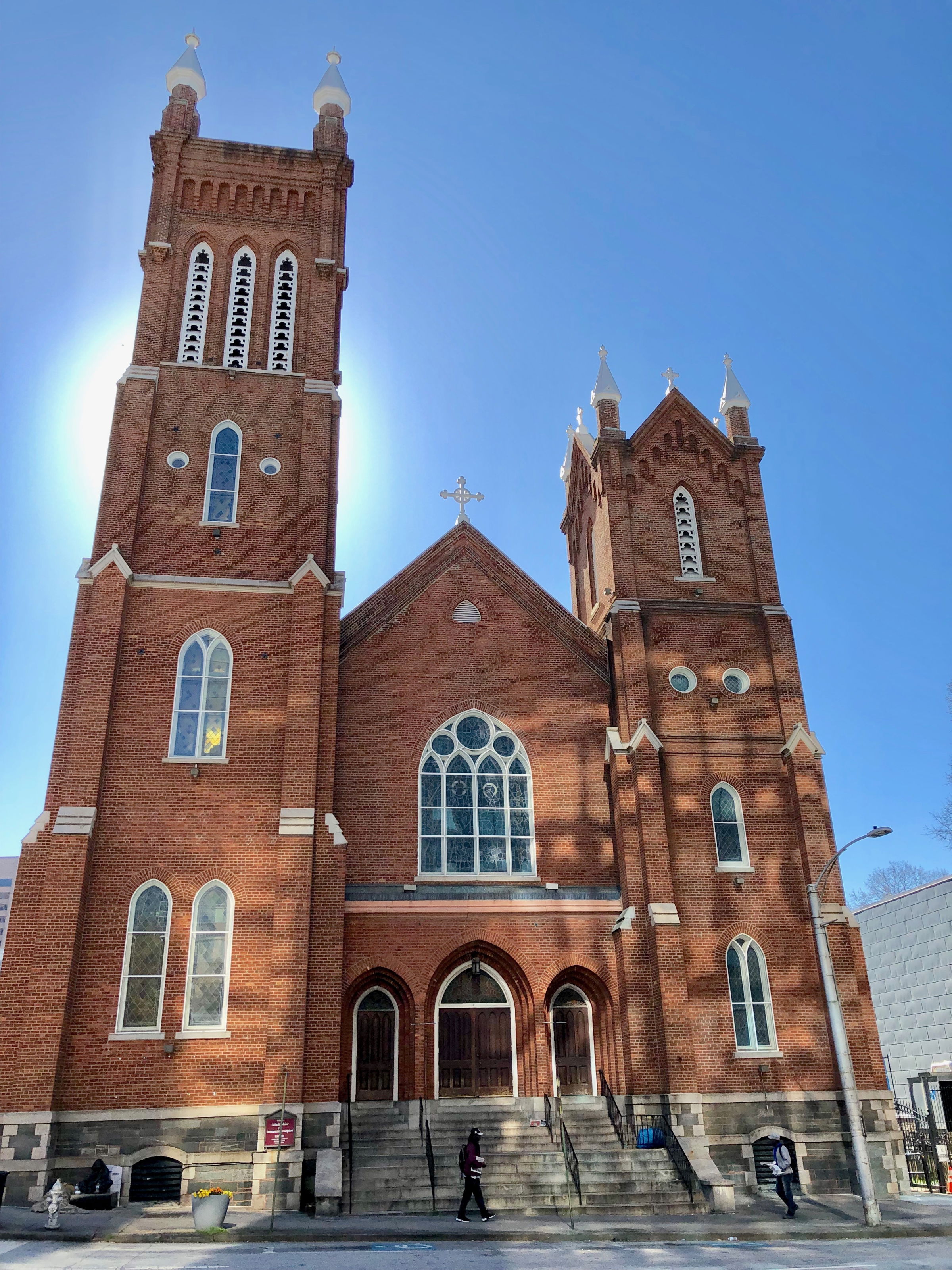
Atlanta's Shrine of the Immaculate Conception, built in 1873-80, helped to establish William H. Parkins as one of Georgia's leading architects. More than a century later, in 1982-84, the building was restored by architect Henry Howard Smith, the son of renowned Atlanta architect Francis Palmer Smith, after the church was damaged by fire.

Image from Warren LeMay
The New Georgia Encyclopedia does not hold the copyright for this media resource and can neither grant nor deny permission to republish or reproduce the image online or in print. All requests for permission to publish or reproduce the resource must be submitted to the rights holder.

Kimball House Hotel

Kimball House Hotel

  • Info Details
  • Citation Terms of Use

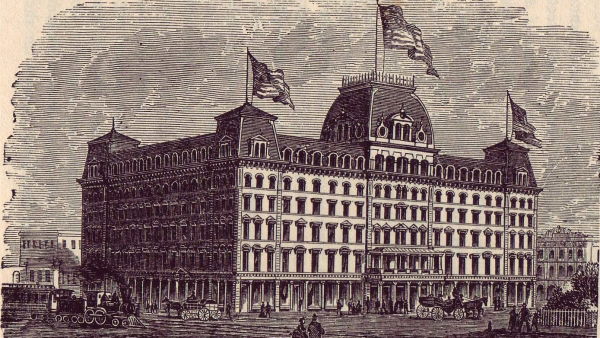
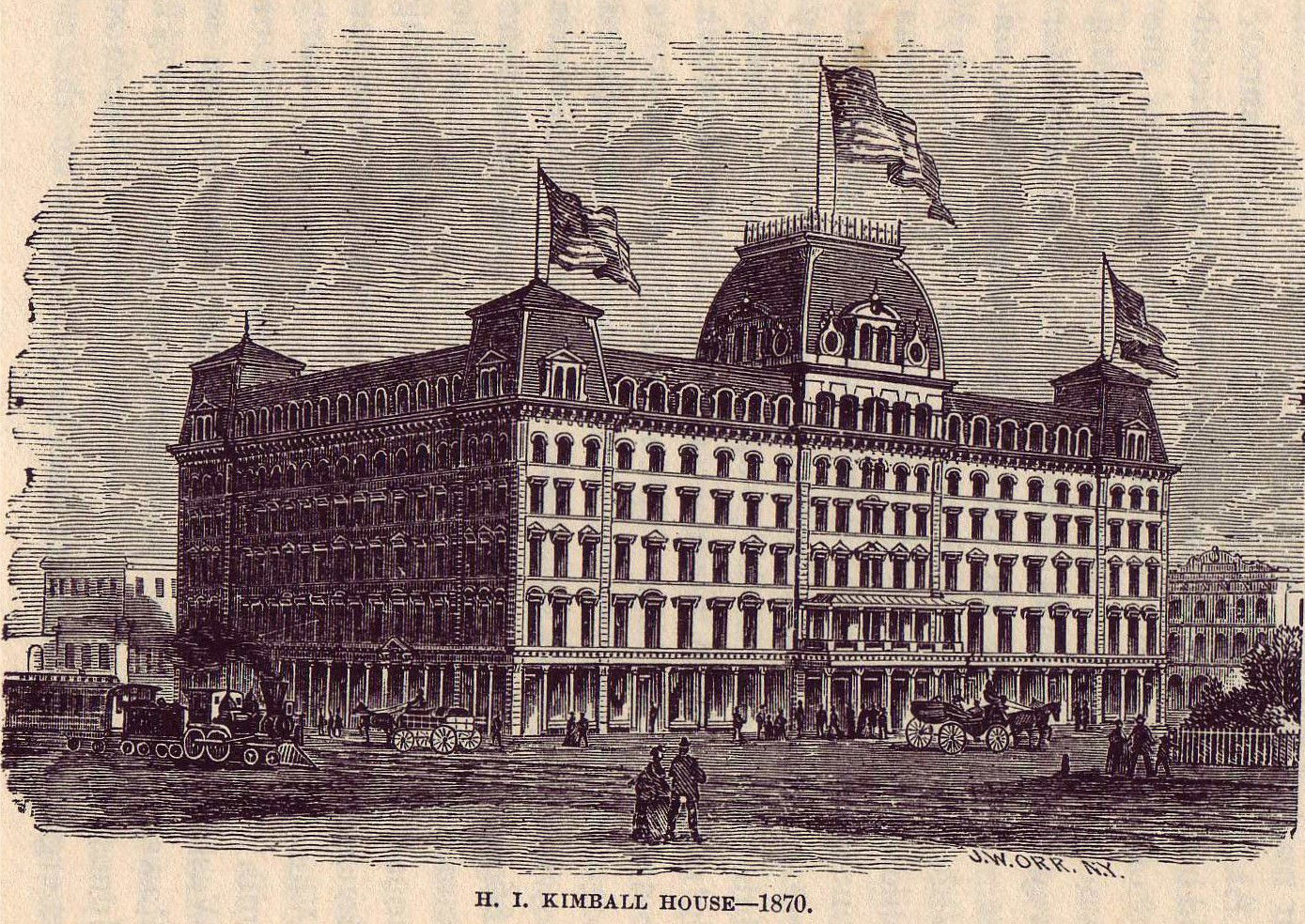
William Parkins's original Kimball House Hotel (1869-70), a combination of Italianate and Second Empire architecture, burned in 1883.

Image from Jolomo~commonswiki

The New Georgia Encyclopedia does not hold the copyright for this media resource and can neither grant nor deny permission to republish or reproduce the image online or in print. All requests for permission to publish or reproduce the resource must be submitted to the rights holder.

Windsor Hotel

Windsor Hotel

  • Info Details
  • Citation Terms of Use

G. L. Norrman's historic Windsor Hotel (1892) in Americus, Georgia, is an outstanding example of High Victorian or Queen Anne architecture.

Courtesy of Georgia Department of Economic Development.
The New Georgia Encyclopedia does not hold the copyright for this media resource and can neither grant nor deny permission to republish or reproduce the image online or in print. Requests for permission to publish or reproduce the resource may need to be submitted to the Georgia Department of Economic Development.

G. L. Norrman

G. L. Norrman

  • Info Details
  • Citation Terms of Use

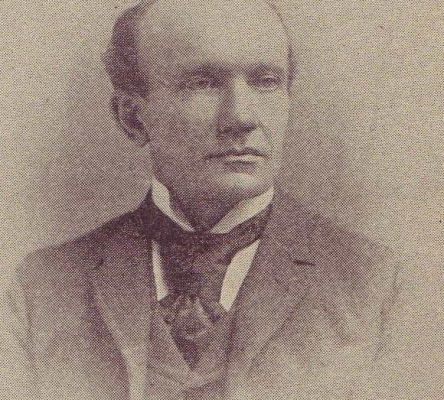
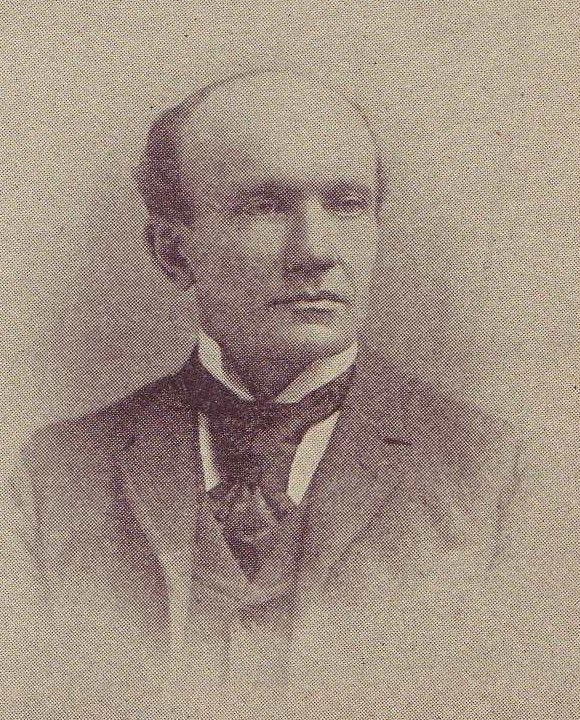
Swedish-born Norrman, after coming to Atlanta in 1881, designed a wide array of buildings in the most fashionable styles, using the latest technologies. Norrman worked ceaselessly for the professionalization of architecture in Georgia and the South.

Image from Col. I.W. Avery

The New Georgia Encyclopedia does not hold the copyright for this media resource and can neither grant nor deny permission to republish or reproduce the image online or in print. All requests for permission to publish or reproduce the resource must be submitted to the rights holder.

Edward C. Peters House

Edward C. Peters House

  • Info Details
  • Citation Terms of Use

G. L. Norrman's Edward C. Peters House (1884, restoration and additions 1973), on Ponce de Leon Avenue, is the finest illustration of the Queen Anne style remaining in Atlanta.

Image from Warren LeMay

View on source site

The New Georgia Encyclopedia does not hold the copyright for this media resource and can neither grant nor deny permission to republish or reproduce the image online or in print. All requests for permission to publish or reproduce the resource must be submitted to the rights holder.

  • Info Details
  • Citation Terms of Use

The New Georgia Encyclopedia does not hold the copyright for this media resource and can neither grant nor deny permission to republish or reproduce the image online or in print. All requests for permission to publish or reproduce the resource must be submitted to the rights holder.

Equitable Building

Equitable Building

  • Info Details
  • Citation Terms of Use

John Wellborn Root's eight-story Equitable Building in Atlanta, built in the early 1890s for the developer Joel Hurt, was demolished in 1971, just as Georgia's historic preservation movement was getting under way. Its steel-frame construction and monumental presence made it the city's pioneer skyscraper.

Courtesy of Historic Preservation Division, Georgia Department of Community Affairs.

The New Georgia Encyclopedia does not hold the copyright for this media resource and can neither grant nor deny permission to republish or reproduce the image online or in print. Requests for permission to publish or reproduce the resource may need to be submitted to the Georgia Department of Community Affairs, Historic Preservation Division.

  • Info Details
  • Citation Terms of Use

The New Georgia Encyclopedia does not hold the copyright for this media resource and can neither grant nor deny permission to republish or reproduce the image online or in print. All requests for permission to publish or reproduce the resource must be submitted to the rights holder.

Edmund G. Lind

Edmund G. Lind

  • Info Details
  • Citation Terms of Use

Born and trained in England, Lind became an elder statesman for architecture in the emerging New South. His Atlanta practice ranged from simple textile mill housing for the Fulton Bag and Cotton Mill to grand Peachtree Street mansions, factories, libraries, commercial buildings, and churches.

Courtesy of SMDA Architects, Baltimore, MD

The New Georgia Encyclopedia does not hold the copyright for this media resource and can neither grant nor deny permission to republish or reproduce the image online or in print. All requests for permission to publish or reproduce the resource must be submitted to the rights holder.

Central Presbyterian Church

Central Presbyterian Church

  • Info Details
  • Citation Terms of Use

Many consider the English Gothic–style Central Presbyterian Church in Atlanta (1885) to be architect Edmund G. Lind's greatest building.

Image from Warren LeMay

View on source site

The New Georgia Encyclopedia does not hold the copyright for this media resource and can neither grant nor deny permission to republish or reproduce the image online or in print. All requests for permission to publish or reproduce the resource must be submitted to the rights holder.

Gwinnett County Courthouse

Gwinnett County Courthouse

  • Info Details
  • Citation Terms of Use

The Gwinnett County courthouse, built in 1885 in Lawrenceville, is one of architect Edmund Lind's many important buildings in Georgia.

Courtesy of Don Bowman

The New Georgia Encyclopedia does not hold the copyright for this media resource and can neither grant nor deny permission to republish or reproduce the image online or in print. All requests for permission to publish or reproduce the resource must be submitted to the rights holder.

Old Governor’s Mansion

Old Governor’s Mansion

  • Info Details
  • Citation Terms of Use

The Old Governor's Mansion in Milledgeville (1838), designed by architect Charles Cluskey, is an example of Greek revival, an architectural style common throughout the state well into the 1850s. The mansion is now part of Georgia College and State University.

Courtesy of Explore Georgia, Photograph by Ralph Daniel.

The New Georgia Encyclopedia does not hold the copyright for this media resource and can neither grant nor deny permission to republish or reproduce the image online or in print. Requests for permission to publish or reproduce the resource may need to be submitted to Explore Georgia.

  • Info Details
  • Citation Terms of Use

The New Georgia Encyclopedia does not hold the copyright for this media resource and can neither grant nor deny permission to republish or reproduce the image online or in print. All requests for permission to publish or reproduce the resource must be submitted to the rights holder.

Central Presbyterian Church, Atlanta

Central Presbyterian Church, Atlanta

  • Info Details
  • Citation Terms of Use

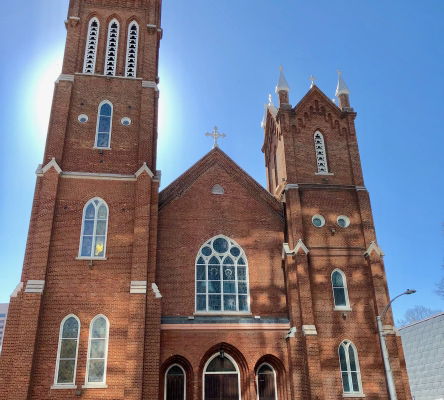
Central Presbyterian Church (1885) in Atlanta was designed by architect Edmund G. Lind in the Gothic revival style. The front facade consists of rough-cut limestone, and the rest of the structure consists of brick. The original stained-glass windows have been retained.

Image from JJonahJackalope

The New Georgia Encyclopedia does not hold the copyright for this media resource and can neither grant nor deny permission to republish or reproduce the image online or in print. All requests for permission to publish or reproduce the resource must be submitted to the rights holder.

Hay House

Hay House

  • Info Details
  • Citation Terms of Use

The Hay House (1855-59) in Macon is an elaborate example of the Italianate style.

Courtesy of Explore Georgia, Photograph by Geoff L. Johnson.

The New Georgia Encyclopedia does not hold the copyright for this media resource and can neither grant nor deny permission to republish or reproduce the image online or in print. Requests for permission to publish or reproduce the resource may need to be submitted to Explore Georgia.

  • Info Details
  • Citation Terms of Use

The New Georgia Encyclopedia does not hold the copyright for this media resource and can neither grant nor deny permission to republish or reproduce the image online or in print. All requests for permission to publish or reproduce the resource must be submitted to the rights holder.

  • Info Details
  • Citation Terms of Use

The New Georgia Encyclopedia does not hold the copyright for this media resource and can neither grant nor deny permission to republish or reproduce the image online or in print. All requests for permission to publish or reproduce the resource must be submitted to the rights holder.

Rhodes Hall Telfair Hospital for Females
Brunswick City Hall
Clark Hall
St. John’s Episcopal Church Newton County Courthouse Agnes Scott Hall
Shrine of the Immaculate Conception Kimball House Hotel Windsor Hotel G. L. Norrman Edward C. Peters House
Equitable Building
Edmund G. Lind Central Presbyterian Church Gwinnett County Courthouse Old Governor’s Mansion
Central Presbyterian Church, Atlanta Hay House