Skip to content
New Georgia Encyclopedia
  • Home
  • Articles & Media
  • Browse by Topic
  • Browse Collections
  • Browse Georgia Standards
  • A-Z Index
  • Exhibitions
  • Educators
  • Browse    Chevron down
  • Exhibitions
  • Educators
By Topic Content Collections Georgia Standards A-Z Index Arrow right
  • Arts & Culture

    Arts & Culture

  • Business & Economy

    Business & Economy

  • Counties, Cities & Neighborhoods

    Counties, Cities & Neighborhoods

  • Education

    Education

  • Geography & Environment

    Geography & Environment

  • Government & Politics

    Government & Politics

  • History & Archaeology

    History & Archaeology

  • People

    People

  • Science & Medicine

    Science & Medicine

  • Sports & Outdoor Recreation

    Sports & Outdoor Recreation

Frankie Welch’s Americana
Featured

Frankie Welch’s Americana

Fashion and politics from Georgia-born designer Frankie Welch

Stamp Collection
Featured

Stamp Collection

Stamps honoring the political figures, artists, and culture of Georgia.

Recently Added
View All Arrow right
City Page: Atlanta

City Page: Atlanta

Stamp Collection

Stamp Collection

Frankie Welch’s Americana

Frankie Welch’s Americana

  • Georgia Studies

    Georgia Studies

    Eighth Grade
  • Georgia, My State

    Georgia, My State

    Second Grade
All Topics Arrow right History & Archaeology Arrow right Civil War & Reconstruction, 1861-1877 Arrow right

Civil War & Reconstruction Topics

Civil War Archaeology

Civil War Archaeology

Civil War Dissent

Civil War Dissent

Civil War Industry and Manufacturing

Civil War Industry and Manufacturing

Civil War Journals, Diaries, and Memoirs

Civil War Journals, Diaries, and Memoirs

Civil War

Civil War

Atlanta Home Front
Confederate Gold

Confederate Gold

Confederate Monuments

Confederate Monuments

CSS Savannah

CSS Savannah

Desertion during the Civil War

Desertion during the Civil War

Emancipation

Emancipation

Fictional Treatments of Sherman in Georgia

Fictional Treatments of Sherman in Georgia

Freedmen’s Education during Reconstruction

Freedmen’s Education during Reconstruction

Guerrilla Warfare during the Civil War

Guerrilla Warfare during the Civil War

Lost Cause Religion

Lost Cause Religion

“Marching through Georgia”

“Marching through Georgia”

Reconstruction in Georgia

Reconstruction in Georgia

Redemption

Redemption

Secession

Secession

Sharecropping

Sharecropping

Sherman’s Field Order No. 15

Sherman’s Field Order No. 15

USS Water Witch

USS Water Witch

Welfare and Poverty during the Civil War

Welfare and Poverty during the Civil War

Loading
Star

Featured Content

James Oglethorpe

James Oglethorpe

Colonial Figures
Harriet Powers

Harriet Powers

People
Trending

Trending

Nancy Harts Militia

Nancy Harts Militia

Civil War & Reconstruction Groups & Organizations
Harriet Powers

Harriet Powers

People
Georgia Guidestones

Georgia Guidestones

Sites & Museums
Ebos Landing

Ebos Landing

Antebellum Places
Clock

Updated Recently

Dougherty County

Dougherty County

1 week ago
Mary Frances Early

Mary Frances Early

1 week ago
Darton State College

Darton State College

1 week ago
Georgia Southwestern State University

Georgia Southwestern State University

1 week ago

A More Perfect Union

The New Georgia Encyclopedia is supported by funding from A More Perfect Union, a special initiative of the National Endowment for the Humanities.

Learn More
New Georgia Encyclopedia
ISSN 2765-8732
Project Partners
logo-press UGA Press logo-galileo GALILEO logo-humanities Georgia Humanities logo-seal Office of the Governor logo-libraries UGA Libraries
Articles & Media
  • Browse by Topic
  • Content Collections
  • Georgia Standards
Special Content
  • Quizzes
  • Exhibitions
  • Spotify Playlists
  • Georgia Exhibits
  • Educator Resources
About
  • The Project
  • The People
  • Sponsors & Partners
Editorial
  • Our Process
  • Contributor Info
  • Permissions & Use
Stay in Touch
Facebook Instagram Twitter Contact Us
Donate to the NGE

Your support helps us commission new entries and update existing content.

Donate

© 2004–2026 Georgia Humanities, University of Georgia Press

  • Terms of Use
  • Privacy Policy

Media gallery

General William T. Sherman

General William T. Sherman

  • Info Details
  • Citation Terms of Use

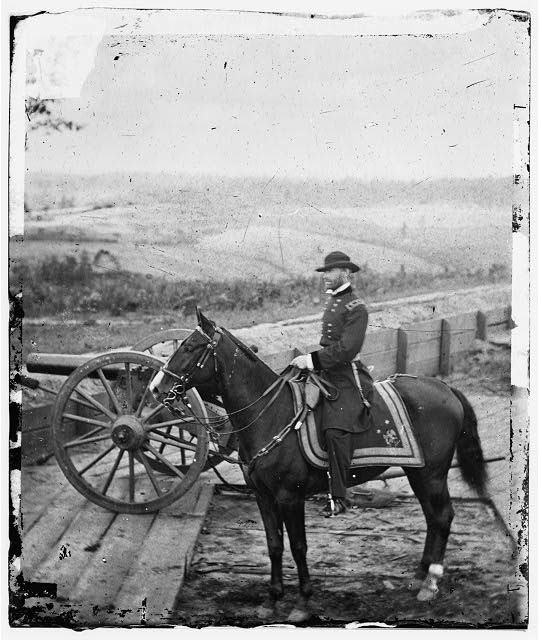
In this photograph, taken by George N. Barnard, Union general William T. Sherman sits astride his horse at Federal Fort No. 7 in Atlanta. Sherman's Atlanta campaign, which lasted through the spring and summer of 1864, resulted in the fall of the city on September 2.

Courtesy of Library of Congress, Prints and Photographs Division, Photograph by George N. Barnard, #LC-DIG-cwpb-03628.

The New Georgia Encyclopedia does not hold the copyright for this media resource and can neither grant nor deny permission to republish or reproduce the image online or in print. All requests for permission to publish or reproduce the resource must be submitted to the rights holder.

Turnwold Plantation

Turnwold Plantation

  • Info Details
  • Citation Terms of Use

Five enslaved people are pictured at Turnwold Plantation, the Eatonton estate of Joseph Addison Turner. Writer Joel Chandler Harris, who lived at Turnwold during the Civil War, drew upon his experiences there to write his Uncle Remus tales, as well as his autobiographical novel On the Plantation.

Courtesy of Stuart A. Rose Manuscript, Archives, and Rare Book Library, Emory University.

The New Georgia Encyclopedia does not hold the copyright for this media resource and can neither grant nor deny permission to republish or reproduce the image online or in print. For more information about this resource, contact the Stuart A. Rose Manuscript, Archives, and Rare Book Library at Emory University.

Margaret Mitchell

Margaret Mitchell

  • Info Details
  • Citation Terms of Use

Margaret Mitchell's epic Civil War love story, Gone With the Wind, was published in June 1936. Mitchell was awarded the Pulitzer Prize for the novel in May 1937.

Courtesy of Atlanta Journal-Constitution.

The New Georgia Encyclopedia does not hold the copyright for this media resource and can neither grant nor deny permission to republish or reproduce the image online or in print. All requests for permission to publish or reproduce the resource must be submitted to the Atlanta Journal-Constitution.

A Distant Flame

A Distant Flame

  • Info Details
  • Citation Terms of Use

Philip Lee Williams, a native of Madison, won the 2004 Michael Shaara Prize for Civil War Fiction for his novel A Distant Flame (2004). The novel chronicles the experiences of protagonist Charlie Merrill before, during, and after the Atlanta campaign of 1864.

The New Georgia Encyclopedia does not hold the copyright for this media resource and can neither grant nor deny permission to republish or reproduce the image online or in print. All requests for permission to publish or reproduce the resource must be submitted to the rights holder.

Bread Riots

Bread Riots

  • Info Details
  • Citation Terms of Use

Hunger on the Georgia home front became so serious during the Civil War that food riots, with women as the main participants, broke out all across the state beginning in 1863.

From Frank Leslie's Illustrated Newspaper

The New Georgia Encyclopedia does not hold the copyright for this media resource and can neither grant nor deny permission to republish or reproduce the image online or in print. All requests for permission to publish or reproduce the resource must be submitted to the rights holder.

Kennesaw Mountain

Kennesaw Mountain

  • Info Details
  • Citation Terms of Use

Kennesaw Mountain, pictured after Confederate general Joseph E. Johnston's retreat from the area in July 1864, was the site of an important battle on June 27, 1864. Although Johnston's troops won the battle, they continued to retreat as Union general William T. Sherman advanced toward Atlanta, located about twenty miles to the southeast.

From Photographic Views of Sherman's Campaign, by G. N. Barnard

The New Georgia Encyclopedia does not hold the copyright for this media resource and can neither grant nor deny permission to republish or reproduce the image online or in print. All requests for permission to publish or reproduce the resource must be submitted to the rights holder.

Reminiscences of My Life in Camp

Reminiscences of My Life in Camp

  • Info Details
  • Citation Terms of Use

Originally published in 1902, Reminiscences of My Life in Camp, by Susie King Taylor, is the only surviving description of the Civil War written by an African American woman.

The New Georgia Encyclopedia does not hold the copyright for this media resource and can neither grant nor deny permission to republish or reproduce the image online or in print. All requests for permission to publish or reproduce the resource must be submitted to the rights holder.

  • Info Details
  • Citation Terms of Use

The New Georgia Encyclopedia does not hold the copyright for this media resource and can neither grant nor deny permission to republish or reproduce the image online or in print. All requests for permission to publish or reproduce the resource must be submitted to the rights holder.

  • Info Details
  • Citation Terms of Use

The New Georgia Encyclopedia does not hold the copyright for this media resource and can neither grant nor deny permission to republish or reproduce the image online or in print. All requests for permission to publish or reproduce the resource must be submitted to the rights holder.

  • Info Details
  • Citation Terms of Use

The New Georgia Encyclopedia does not hold the copyright for this media resource and can neither grant nor deny permission to republish or reproduce the image online or in print. All requests for permission to publish or reproduce the resource must be submitted to the rights holder.

Sam Richards’s Civil War Diary

Sam Richards’s Civil War Diary

  • Info Details
  • Citation Terms of Use

Samuel Pearce Richards, a prominent nineteenth-century merchant in Atlanta, kept a diary for sixty-seven years. In 2009 the University of Georgia Press published the portions of his diary covering the Civil War as Sam Richards's Civil War Diary.
The New Georgia Encyclopedia does not hold the copyright for this media resource and can neither grant nor deny permission to republish or reproduce the image online or in print. All requests for permission to publish or reproduce the resource must be submitted to the rights holder.

On the Plantation

On the Plantation

  • Info Details
  • Citation Terms of Use

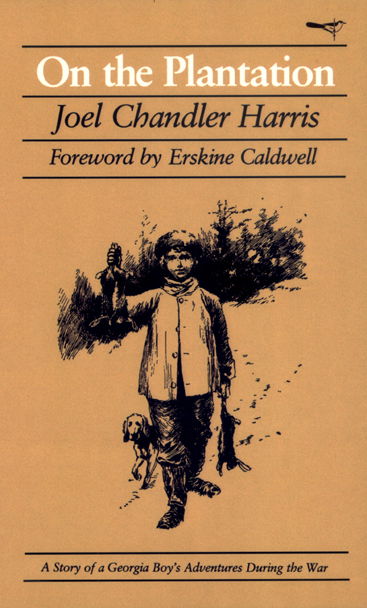
On the Plantation: A Story of a Georgia Boy's Adventures during the War (1892) is a fictionalized account of author Joel Chandler Harris's experiences of the Civil War at Turnwold, the Putnam County plantation of Joseph Addison Turner.

The New Georgia Encyclopedia does not hold the copyright for this media resource and can neither grant nor deny permission to republish or reproduce the image online or in print. All requests for permission to publish or reproduce the resource must be submitted to the rights holder.

William T. Sherman

William T. Sherman

  • Info Details
  • Citation Terms of Use

Ohio native and Union general William T. Sherman lost the Battle of Kennesaw Mountain in June 1864. In September of that same year his army captured Atlanta before embarking on its March to the Sea, from Atlanta to Savannah, in November. Sherman later chronicled his wartime experiences in a memoir, published in 1875.

Courtesy of National Archives and Records Administration.

Most government records are in the public domain. Please consult the National Archives and Records Administration for more information.

  • Info Details
  • Citation Terms of Use

The New Georgia Encyclopedia does not hold the copyright for this media resource and can neither grant nor deny permission to republish or reproduce the image online or in print. All requests for permission to publish or reproduce the resource must be submitted to the rights holder.

Journal of a Landlady

Journal of a Landlady

  • Info Details
  • Citation Terms of Use

Unionist Louisa Fletcher ran a hotel with her husband in Marietta during the Civil War. During that time she kept a diary, which was published in 1995 as Journal of a Landlady.

The New Georgia Encyclopedia does not hold the copyright for this media resource and can neither grant nor deny permission to republish or reproduce the image online or in print. All requests for permission to publish or reproduce the resource must be submitted to the rights holder.

  • Info Details
  • Citation Terms of Use

The New Georgia Encyclopedia does not hold the copyright for this media resource and can neither grant nor deny permission to republish or reproduce the image online or in print. All requests for permission to publish or reproduce the resource must be submitted to the rights holder.

Andersonville Prison as seen by John L. Ransom

Andersonville Prison as seen by John L. Ransom

  • Info Details
  • Citation Terms of Use

John Ransom, a Union prisoner at Andersonville Prison during the Civil War, first published his journal, Andersonville Diary, in 1881. One of the best-known Civil War narratives, the diary includes graphic descriptions of the camp's deplorable conditions.

Courtesy of Library of Congress, Prints and Photographs Division
View on source site

The New Georgia Encyclopedia does not hold the copyright for this media resource and can neither grant nor deny permission to republish or reproduce the image online or in print. All requests for permission to publish or reproduce the resource must be submitted to the rights holder.

Railroad Destruction

Railroad Destruction

  • Info Details
  • Citation Terms of Use

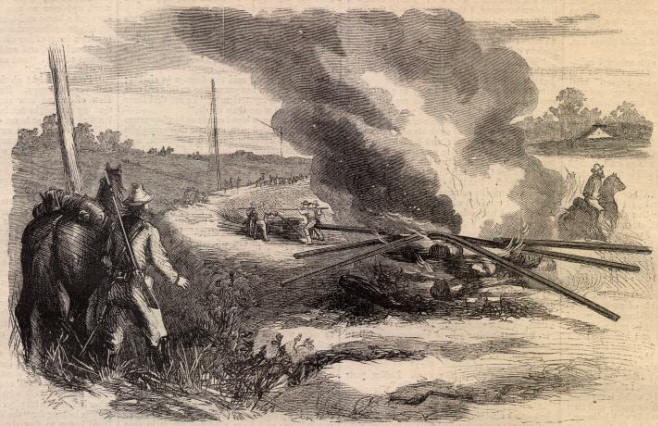
A drawing published in October 1863 depicts Confederate guerrillas destroying rail lines used to supply Union forces during the Civil War. In Georgia, Confederate guerrillas worked to dismantle the Western and Atlantic Railroad, vital to supplying Union general William T. Sherman's troops.

From Harper's Weekly
The New Georgia Encyclopedia does not hold the copyright for this media resource and can neither grant nor deny permission to republish or reproduce the image online or in print. All requests for permission to publish or reproduce the resource must be submitted to the rights holder.

Guerrilla Warfare

Guerrilla Warfare

  • Info Details
  • Citation Terms of Use

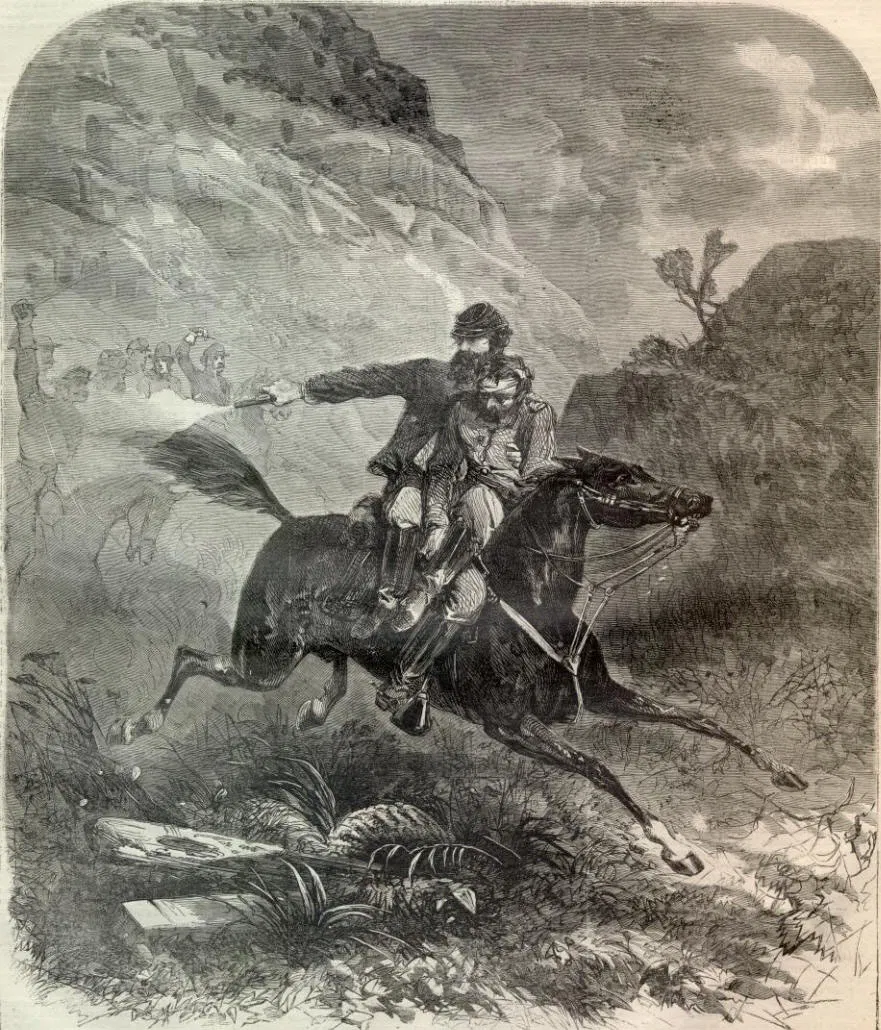
The rescue of a wounded Union officer from an attack by Confederate guerrillas is depicted in a Harper's Weekly drawing from December 1863. Guerrilla warfare in Georgia during the Civil War occurred primarily in the northern mountains and the southern swamp and wiregrass regions.

From Harper's Weekly
The New Georgia Encyclopedia does not hold the copyright for this media resource and can neither grant nor deny permission to republish or reproduce the image online or in print. All requests for permission to publish or reproduce the resource must be submitted to the rights holder.

Joseph E. Brown

Joseph E. Brown

  • Info Details
  • Citation Terms of Use

Joseph E. Brown served as governor of Georgia during the Civil War. After the war, Brown left the Democratic Party for a time to join the Republican Party, which was in power throughout the Reconstruction era. In 1868 he was appointed chief justice of the Supreme Court of Georgia by Republican governor Rufus Bullock.

Courtesy of Library of Congress, Prints and Photographs Division

The New Georgia Encyclopedia does not hold the copyright for this media resource and can neither grant nor deny permission to republish or reproduce the image online or in print. All requests for permission to publish or reproduce the resource must be submitted to the rights holder.

Joseph Wheeler

Joseph Wheeler

  • Info Details
  • Citation Terms of Use

General Joseph Wheeler, born near Augusta, commanded U.S. volunteers in Cuba during the Spanish-American War. Wheeler also served during the Civil War and the Philippine Insurrection, and authored several books on military and civil subjects. Wheeler County, in central Georgia, is named in his honor.

From The Conflict with Spain and Conquest of the Philippines, by H. F. Keenan

The New Georgia Encyclopedia does not hold the copyright for this media resource and can neither grant nor deny permission to republish or reproduce the image online or in print. All requests for permission to publish or reproduce the resource must be submitted to the rights holder.

Sherman’s March to the Sea

Sherman’s March to the Sea

  • Info Details
  • Citation Terms of Use

Union general William T. Sherman devastated the Georgia countryside during his march to the sea. His men destroyed all sources of food and forage, often in retaliation for the activities of local Confederate guerrillas.

From Battles and Leaders of the Civil War, vol 4., edited by R. U. Johnson and C. C. Clough Buel

The New Georgia Encyclopedia does not hold the copyright for this media resource and can neither grant nor deny permission to republish or reproduce the image online or in print. All requests for permission to publish or reproduce the resource must be submitted to the rights holder.

W. T. Wofford

W. T. Wofford

  • Info Details
  • Citation Terms of Use

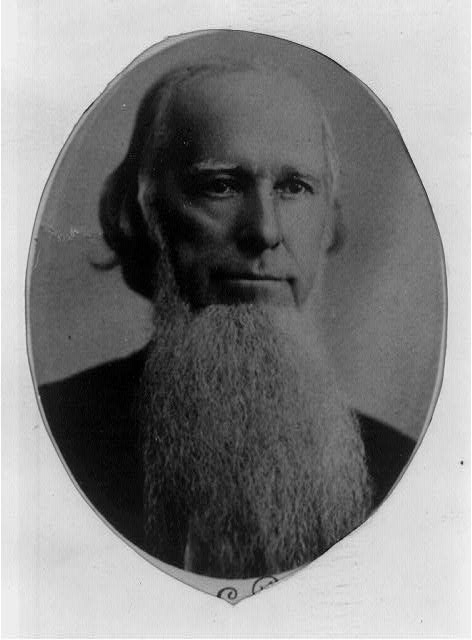
W. T. Wofford, pictured on a postcard distributed in 1881 during the International Cotton Exposition in Atlanta, was a military leader and state legislator. A native of Habersham County, Wofford served in both the Mexican War and Civil War.
Courtesy of Hargrett Rare Book and Manuscript Library, University of Georgia Libraries.

The New Georgia Encyclopedia does not hold the copyright for this media resource and can neither grant nor deny permission to republish or reproduce the image online or in print. Requests for permission to publish or reproduce the resource should be submitted to the Hargrett Manuscript and Rare Book Library at the University of Georgia.

Henry M. Judah

Henry M. Judah

  • Info Details
  • Citation Terms of Use

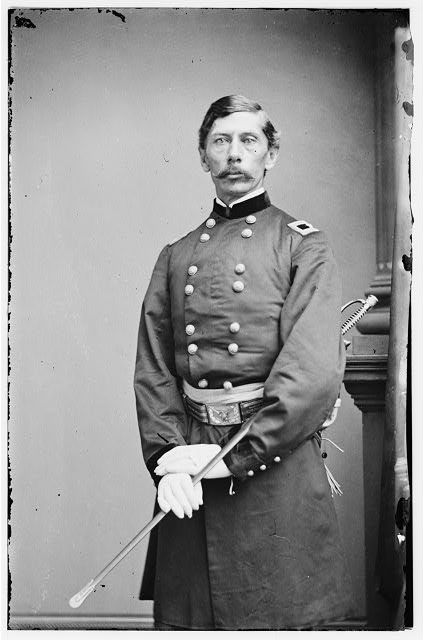
Union general Henry M. Judah negotiated the surrender of Confederate forces in north Georgia with Confederate general W. T. Wofford on May 12, 1865.

Courtesy of Library of Congress, Prints and Photographs Division

The New Georgia Encyclopedia does not hold the copyright for this media resource and can neither grant nor deny permission to republish or reproduce the image online or in print. All requests for permission to publish or reproduce the resource must be submitted to the rights holder.

Secession Ordinance

Secession Ordinance

  • Info Details
  • Citation Terms of Use

On January 21, 1861, the ordinance of secession was publicly signed in a ceremony by Georgia politicians. Two days earlier, delegates to a convention in Milledgeville voted 208 to 89 for the state to secede from the Union.
Courtesy of Hargrett Rare Book and Manuscript Library, University of Georgia Libraries.

The New Georgia Encyclopedia does not hold the copyright for this media resource and can neither grant nor deny permission to republish or reproduce the image online or in print. Requests for permission to publish or reproduce the resource should be submitted to the Hargrett Manuscript and Rare Book Library at the University of Georgia.

Robert Toombs

Robert Toombs

  • Info Details
  • Citation Terms of Use

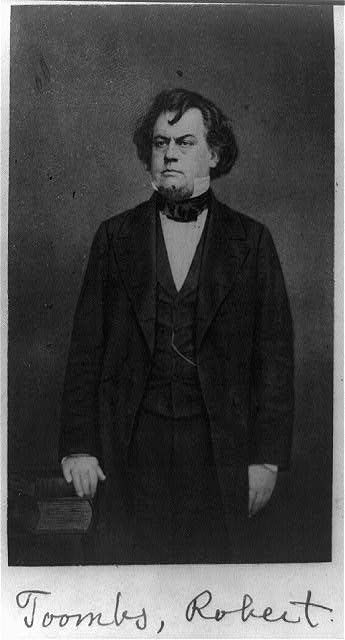
Wilkes County native Robert Toombs, pictured circa 1865, served briefly as the Confederate government's secretary of state and as a brigadier general during the Civil War.

Courtesy of Library of Congress, Prints and Photographs Division

The New Georgia Encyclopedia does not hold the copyright for this media resource and can neither grant nor deny permission to republish or reproduce the image online or in print. All requests for permission to publish or reproduce the resource must be submitted to the rights holder.

Refugees on March to the Sea

Refugees on March to the Sea

  • Info Details
  • Citation Terms of Use

A sketch, published in Frank Leslie's Illustrated Newspaper on March 18, 1865, depicts newly emancipated African Americans following Union general William T. Sherman's march to the sea at the end of 1864. As many as 7,000 freedmen and freedwomen may have joined in the march.

From Frank Leslie's Illustrated Newspaper
The New Georgia Encyclopedia does not hold the copyright for this media resource and can neither grant nor deny permission to republish or reproduce the image online or in print. All requests for permission to publish or reproduce the resource must be submitted to the rights holder.

Marching through Georgia

Marching through Georgia

  • Info Details
  • Citation Terms of Use

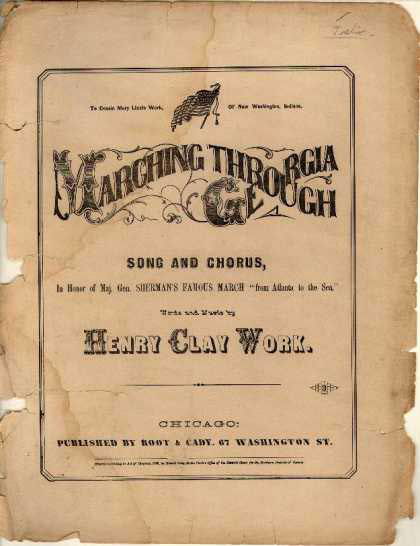
Marching through Georgia, one of the best-known songs of the Civil War, was composed in 1865 by Henry Clay Work. The song celebrates the success of Union general William T. Sherman's march to the sea in 1864.

The New Georgia Encyclopedia does not hold the copyright for this media resource and can neither grant nor deny permission to republish or reproduce the image online or in print. All requests for permission to publish or reproduce the resource must be submitted to the rights holder.

Augusta Confederate Monument

Augusta Confederate Monument

  • Info Details
  • Citation Terms of Use

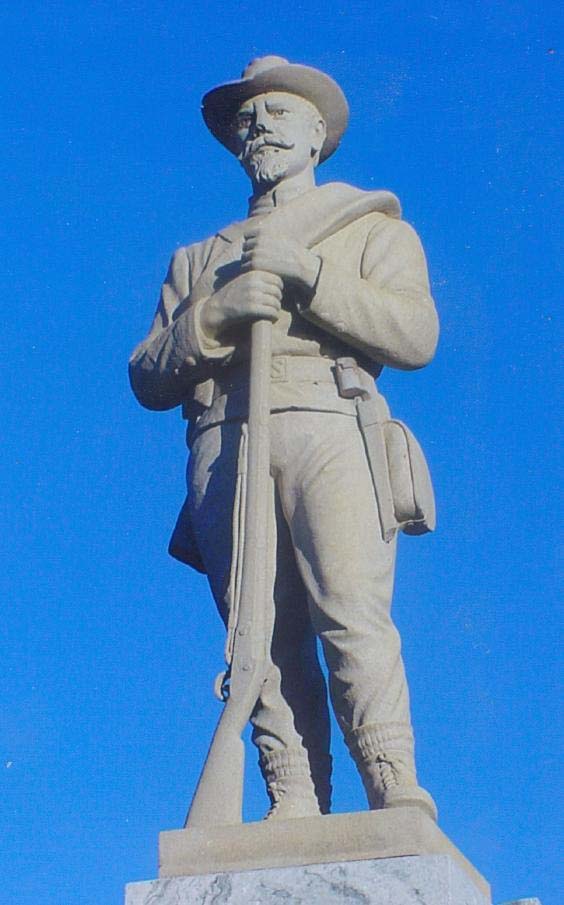
The Confederate monument in downtown Augusta, erected in 1878, honors generals Robert E. Lee, Thomas "Stonewall" Jackson, William H. T. Walker, and Thomas R. R. Cobb, whose figures surround the base. A statue of Augusta native Berry Benson, who served in the Confederate army, is perched atop the monument to represent an anonymous soldier.

Photograph by Melinda Smith Mullikin, New Georgia Encyclopedia
The New Georgia Encyclopedia does not hold the copyright for this media resource and can neither grant nor deny permission to republish or reproduce the image online or in print. All requests for permission to publish or reproduce the resource must be submitted to the rights holder.

  • Info Details
  • Citation Terms of Use

The New Georgia Encyclopedia does not hold the copyright for this media resource and can neither grant nor deny permission to republish or reproduce the image online or in print. All requests for permission to publish or reproduce the resource must be submitted to the rights holder.

Rome Confederate Monument

Rome Confederate Monument

  • Info Details
  • Citation Terms of Use

A soldier stands atop the Confederate monument at Myrtle Hill Cemetery in Rome. The original monument, dedicated in 1887, featured a large funeral urn on top of the monument. In 1910 the soldier replaced the urn, and the monument was rededicated. Its pedestal, shaft, and soldier configuration is representative of the most common type of Confederate monument in Georgia.

Photograph by David N. Wiggins

The New Georgia Encyclopedia does not hold the copyright for this media resource and can neither grant nor deny permission to republish or reproduce the image online or in print. All requests for permission to publish or reproduce the resource must be submitted to the rights holder.

Chickamauga Confederate Monument

Chickamauga Confederate Monument

  • Info Details
  • Citation Terms of Use

The Confederate monument at Chickamauga National Park, the first military park in the country, was dedicated on May 4, 1899. The eighty-six-foot-tall granite monument features four large bronze figures and honors the men from Georgia who fought at the Battle of Chickamauga in 1863. The monument has the only figure of an artilleryman in the state.

Photograph by David N. Wiggins
The New Georgia Encyclopedia does not hold the copyright for this media resource and can neither grant nor deny permission to republish or reproduce the image online or in print. All requests for permission to publish or reproduce the resource must be submitted to the rights holder.

Savannah Confederate Monument

Savannah Confederate Monument

  • Info Details
  • Citation Terms of Use

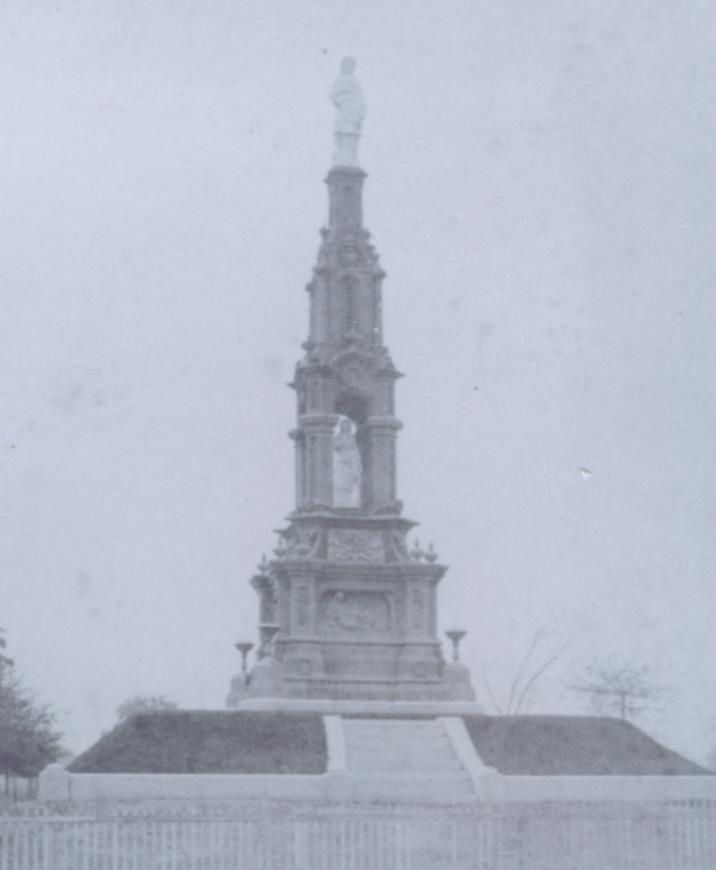
The original Confederate monument in Savannah, pictured circa 1875, was dedicated in 1875 and located in Forsyth Park. The ornate sandstone monument featured two Greek goddesses, Judgement and Silence. In 1879 the goddesses were removed, and a soldier was added to the top.

Courtesy of David N. Wiggins

The New Georgia Encyclopedia does not hold the copyright for this media resource and can neither grant nor deny permission to republish or reproduce the image online or in print. All requests for permission to publish or reproduce the resource must be submitted to the rights holder.

LaFayette Confederate Monument

LaFayette Confederate Monument

  • Info Details
  • Citation Terms of Use

The dedication ceremony for a new Confederate monument in LaFayette took place in April 2002. The monument features a twelve-foot-wide tablet listing the names of Walker County citizens who fought for the Confederacy during the Civil War.

Photograph by David N. Wiggins

The New Georgia Encyclopedia does not hold the copyright for this media resource and can neither grant nor deny permission to republish or reproduce the image online or in print. All requests for permission to publish or reproduce the resource must be submitted to the rights holder.

USS Water Witch

USS Water Witch

  • Info Details
  • Citation Terms of Use

The USS Water Witch, a wooden-hulled side-wheel gunboat, was used by the Union navy during the Civil War to blockade the Georgia coast. In June 1864 the ship was captured by Confederate raiders, who burned it six months later to prevent its recapture by Union general William T. Sherman's troops.

Courtesy of Library of Congress, Prints and Photographs Division

The New Georgia Encyclopedia does not hold the copyright for this media resource and can neither grant nor deny permission to republish or reproduce the image online or in print. All requests for permission to publish or reproduce the resource must be submitted to the rights holder.

Renactment Crew on Water Witch

Renactment Crew on Water Witch

  • Info Details
  • Citation Terms of Use

Naval reenactors are pictured on board the replica of the USS during its commissioning in 2009 at the National Civil War Naval Museum at Port Columbus.

Courtesy of National Civil War Naval Museum at Port Columbus

The New Georgia Encyclopedia does not hold the copyright for this media resource and can neither grant nor deny permission to republish or reproduce the image online or in print. All requests for permission to publish or reproduce the resource must be submitted to the rights holder.

Water Witch Replica

Water Witch Replica

  • Info Details
  • Citation Terms of Use

A replica of the USS Water Witch, completed in 2009, sits outside the National Civil War Naval Museum at Port Columbus.

Courtesy of the National Civil War Naval Museum at Port Columbus
The New Georgia Encyclopedia does not hold the copyright for this media resource and can neither grant nor deny permission to republish or reproduce the image online or in print. All requests for permission to publish or reproduce the resource must be submitted to the rights holder.

Confederate Earthwork

Confederate Earthwork

  • Info Details
  • Citation Terms of Use

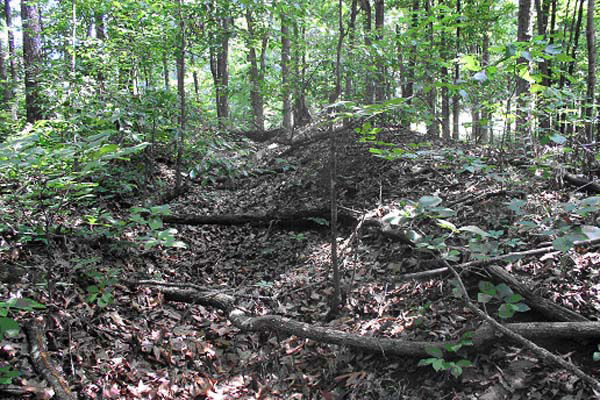
The remains of a Confederate earthwork, used during the Battle of Kennesaw Mountain in June 1864. In the1930s archaeologist Charles Fairbanks, in one of the earliest Civil War excavations, documented the earthworks on top of Kennesaw Mountain in Cobb County.

Courtesy of Garrett W. Silliman
The New Georgia Encyclopedia does not hold the copyright for this media resource and can neither grant nor deny permission to republish or reproduce the image online or in print. All requests for permission to publish or reproduce the resource must be submitted to the rights holder.

  • Info Details
  • Citation Terms of Use

The New Georgia Encyclopedia does not hold the copyright for this media resource and can neither grant nor deny permission to republish or reproduce the image online or in print. All requests for permission to publish or reproduce the resource must be submitted to the rights holder.

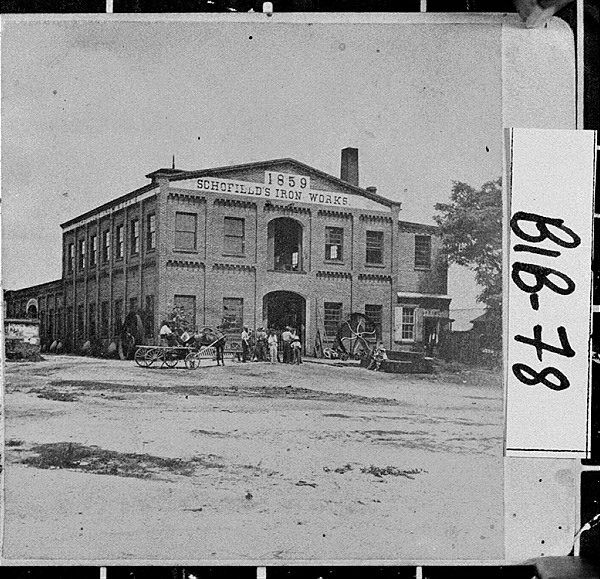
Schofield’s Iron Works

Schofield’s Iron Works

  • Info Details
  • Citation Terms of Use

Schofield's Iron Works in Macon, founded around 1859 and pictured in 1876, was an active foundry during the Civil War.

Courtesy of Georgia Archives, Vanishing Georgia, #
bib078.
View on partner site

The New Georgia Encyclopedia does not hold the copyright for this media resource and can neither grant nor deny permission to republish or reproduce the image online or in print. Requests for permission to publish or reproduce the resource should be submitted to the Georgia Archives.

New Manchester Mill Ruins

New Manchester Mill Ruins

  • Info Details
  • Citation Terms of Use

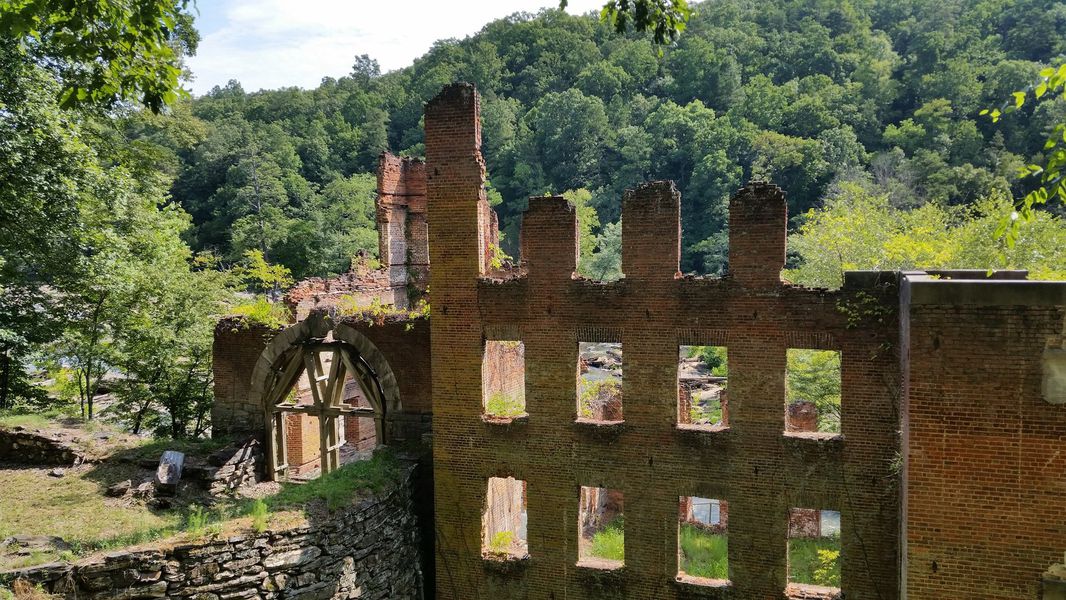
The ruins of New Manchester Mill at Sweetwater Creek State Park in Douglas County are pictured in 2017. One of the largest factories in Georgia during the Civil War, the mill was burned in 1864 by Union general William T. Sherman's troops during their march to the sea.

Courtesy of Atlanta Journal-Constitution.

The New Georgia Encyclopedia does not hold the copyright for this media resource and can neither grant nor deny permission to republish or reproduce the image online or in print. All requests for permission to publish or reproduce the resource must be submitted to the Atlanta Journal-Constitution.

Confederate Powder Works

Confederate Powder Works

  • Info Details
  • Citation Terms of Use

The Confederate Powder Works in Augusta sits along the Augusta Canal. The canal, which opened in 1846, provided transportation and waterpower during the Civil War for the powder works, as well as for a Confederate firearms plant, ordnance foundry, and bakery.

Courtesy of Library of Congress, Prints and Photographs Division

View on source site

The New Georgia Encyclopedia does not hold the copyright for this media resource and can neither grant nor deny permission to republish or reproduce the image online or in print. All requests for permission to publish or reproduce the resource must be submitted to the rights holder.

George W. Rains

George W. Rains

  • Info Details
  • Citation Terms of Use

In 1861 Colonel George W. Rains selected Augusta as the site for the Confederate Powder Works and oversaw its construction on the Augusta Canal. Completed in 1862, the factory produced 3 million pounds of gunpowder by the end of the Civil War in 1865.

Image from Lewis Historical Pub. Co., New York
The New Georgia Encyclopedia does not hold the copyright for this media resource and can neither grant nor deny permission to republish or reproduce the image online or in print. All requests for permission to publish or reproduce the resource must be submitted to the rights holder.

Pistol Factory

Pistol Factory

  • Info Details
  • Citation Terms of Use

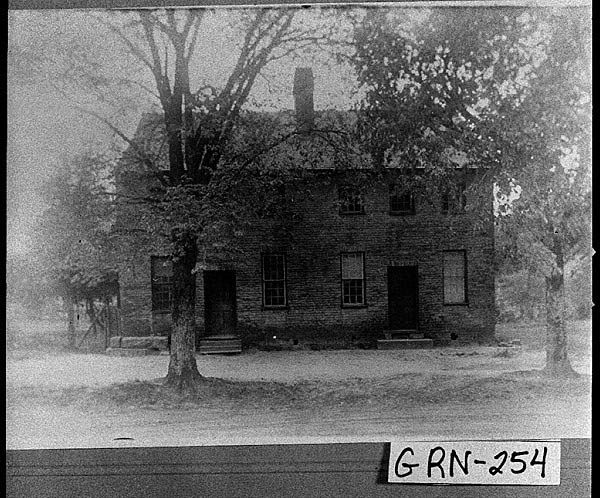
Pictured circa 1880, this facility in Greensboro was the site of a Confederate pistol factory, owned by the manufactuer Leech and Rigdon of Memphis, Tennessee, during the Civil War.

Courtesy of Georgia Archives, Vanishing Georgia, #
grn254.
View on partner site

The New Georgia Encyclopedia does not hold the copyright for this media resource and can neither grant nor deny permission to republish or reproduce the image online or in print. Requests for permission to publish or reproduce the resource should be submitted to the Georgia Archives.

Parrott Gun

Parrott Gun

  • Info Details
  • Citation Terms of Use

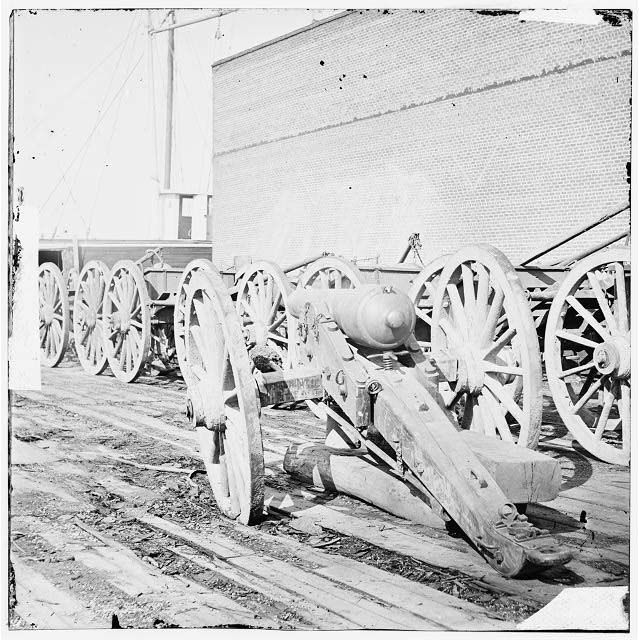
Parrott rifled cannons, used by both Confederate and Union armies during the Civil War, were produced for the Confederate army at the Macon Armory in Bibb County. African Americans and white women comprised a substantial portion of the workforce at the armory during the war.

Courtesy of Library of Congress, Prints and Photographs Division

The New Georgia Encyclopedia does not hold the copyright for this media resource and can neither grant nor deny permission to republish or reproduce the image online or in print. All requests for permission to publish or reproduce the resource must be submitted to the rights holder.

Confederate Soldier in Uniform

Confederate Soldier in Uniform

  • Info Details
  • Citation Terms of Use

Confederate solider Theophalus Rumble, of Monroe County, is pictured in his uniform during the Civil War. Textile mills in Georgia struggled during the war years to produce adequate amounts of cloth for uniforms, blankets, and tents.

Courtesy of Georgia Archives, Vanishing Georgia, #
mnr069.

View on partner site

The New Georgia Encyclopedia does not hold the copyright for this media resource and can neither grant nor deny permission to republish or reproduce the image online or in print. Requests for permission to publish or reproduce the resource should be submitted to the Georgia Archives.

Sherman’s Troops

Sherman’s Troops

  • Info Details
  • Citation Terms of Use

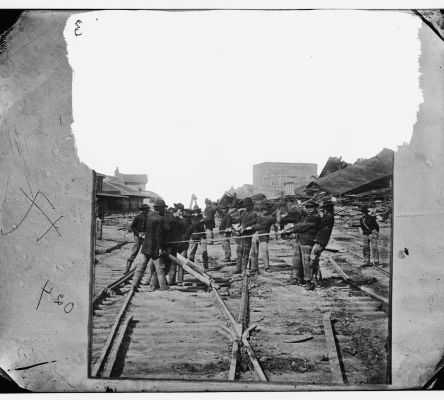
Union army troops under General William T. Sherman destroy railroad tracks in Atlanta during the Atlanta campaign of 1864. Railroads, an integral component of Civil War industry, were a major target for Sherman's forces.

Courtesy of Library of Congress, Prints and Photographs Division
The New Georgia Encyclopedia does not hold the copyright for this media resource and can neither grant nor deny permission to republish or reproduce the image online or in print. All requests for permission to publish or reproduce the resource must be submitted to the rights holder.

Veterans’ Gun Drill

Veterans’ Gun Drill

  • Info Details
  • Citation Terms of Use

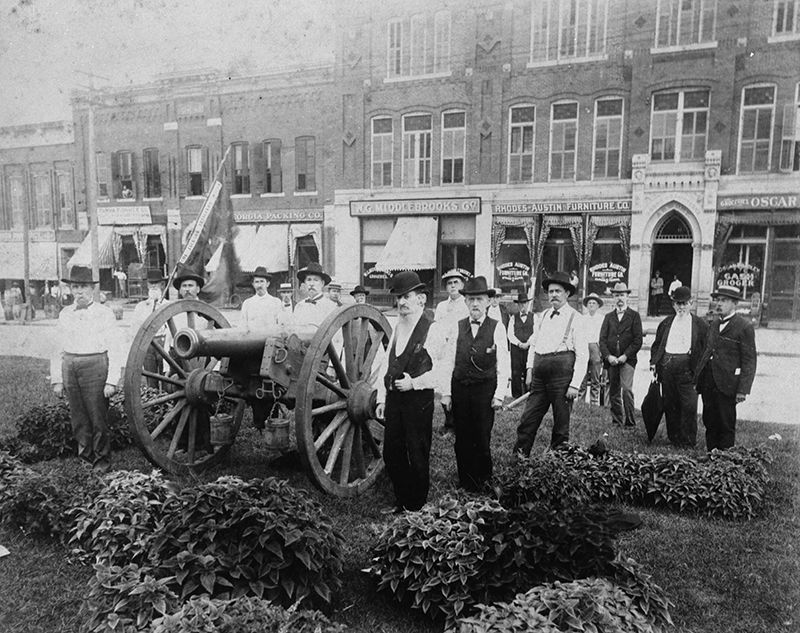
Confederate veterans, pictured in the 1880s, perform a mock gun drill with twelve-pound Napoleon howitzer in front of the Macon Volunteers Armory building in Macon.

Courtesy of Georgia Archives, Vanishing Georgia, # bib258-88.

View on partner site

The New Georgia Encyclopedia does not hold the copyright for this media resource and can neither grant nor deny permission to republish or reproduce the image online or in print. Requests for permission to publish or reproduce the resource should be submitted to the Georgia Archives.

CSS Savannah Explodes

CSS Savannah Explodes

  • Info Details
  • Citation Terms of Use

On December 21, 1864, Confederate troops under Josiah Tattnall exploded the CSS Savannah on the South Carolina coast to prevent its falling into Union hands.

From Harper's Weekly
The New Georgia Encyclopedia does not hold the copyright for this media resource and can neither grant nor deny permission to republish or reproduce the image online or in print. All requests for permission to publish or reproduce the resource must be submitted to the rights holder.

Voter Registration

Voter Registration

  • Info Details
  • Citation Terms of Use

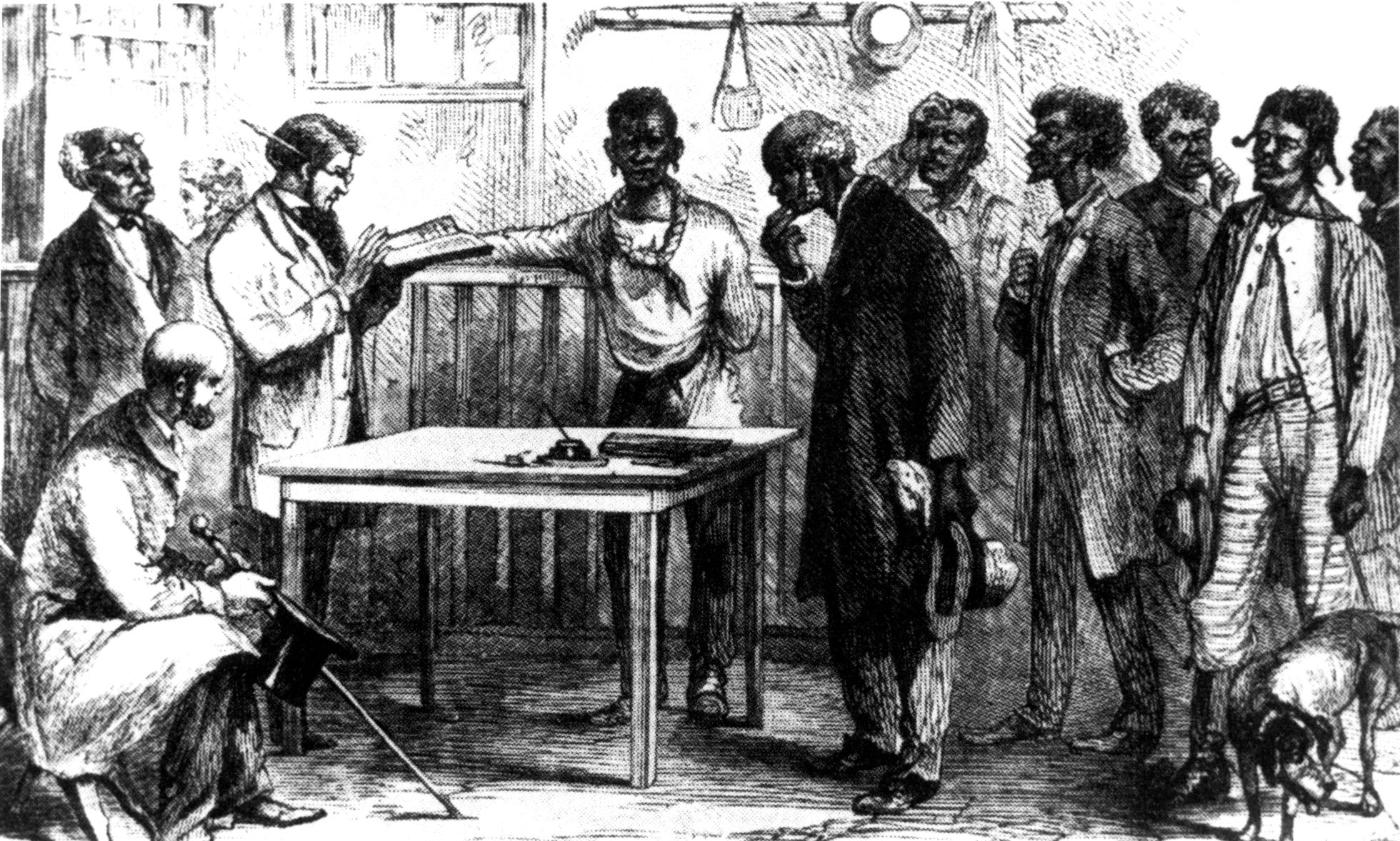
Freedmen, pictured in September 1867, registered to vote during Congressional Reconstruction in drives conducted by the U.S. military. Between 1867 and 1872, sixty-nine African Americans from Georgia served either as delegates to the 1867 constitutional convention or as members of the state legislature.

From Harper's Weekly

The New Georgia Encyclopedia does not hold the copyright for this media resource and can neither grant nor deny permission to republish or reproduce the image online or in print. All requests for permission to publish or reproduce the resource must be submitted to the rights holder.

James M. Smith

James M. Smith

  • Info Details
  • Citation Terms of Use

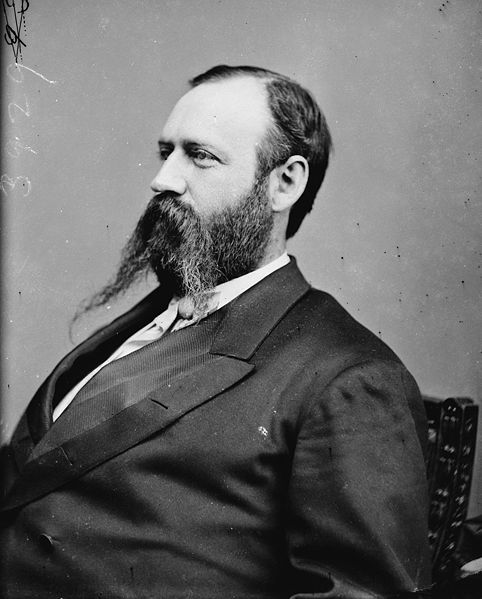
James M. Smith, a Confederate veteran and native of Twiggs County, served as the governor of Georgia from 1872 to 1877. Smith's election marked the end of Reconstruction in the state.

Courtesy of Georgia Capitol Museum, University of Georgia Libraries
The New Georgia Encyclopedia does not hold the copyright for this media resource and can neither grant nor deny permission to republish or reproduce the image online or in print. All requests for permission to publish or reproduce the resource must be submitted to the rights holder.

Rufus Bullock

Rufus Bullock

  • Info Details
  • Citation Terms of Use

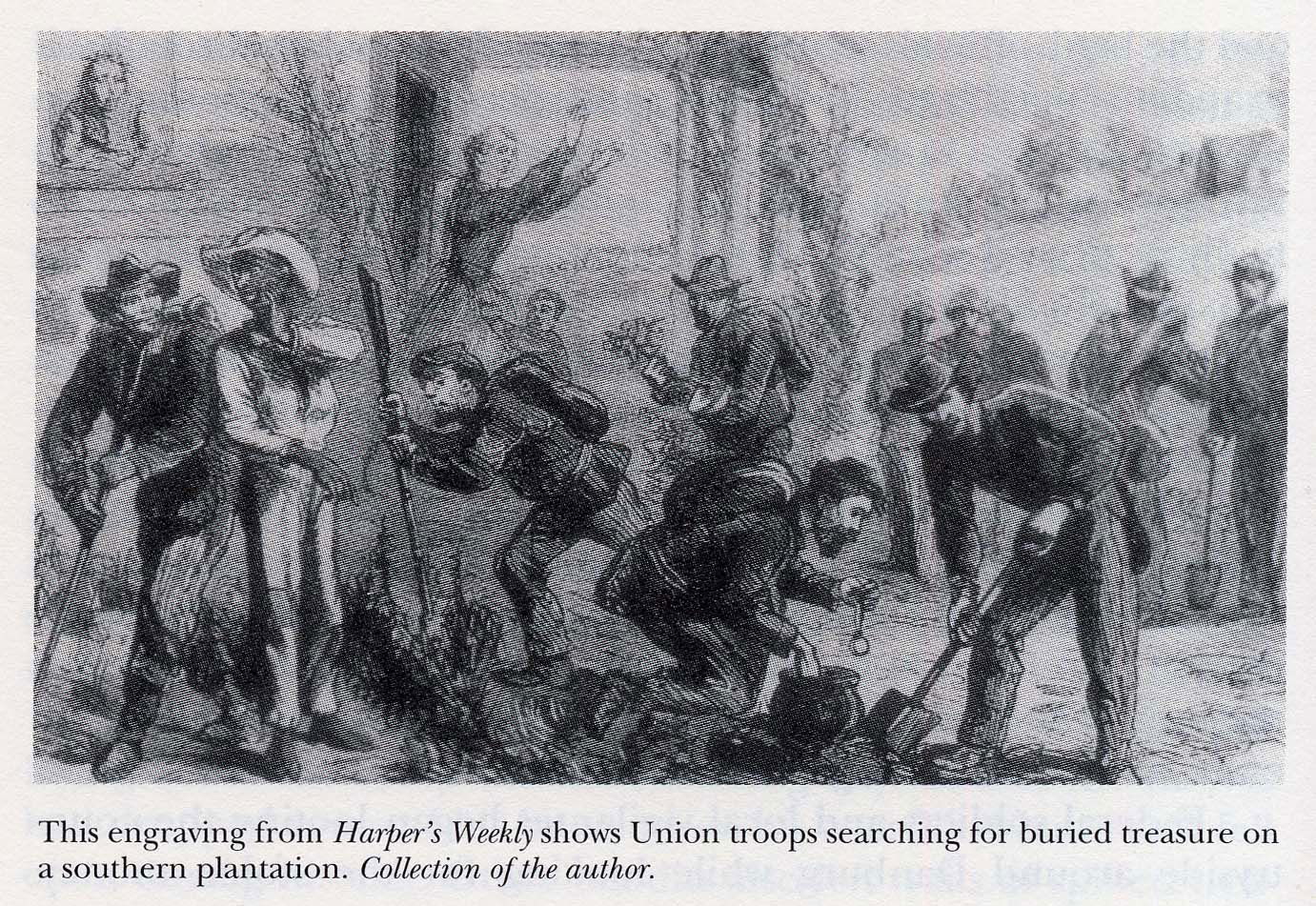
Republican candidate Rufus Bullock defeated his Democratic opponent John B. Gordon in Georgia's 1868 gubernatorial election. Bullock's term in office was marked by allegations of fraud and corruption, and in 1871 he fled the state to avoid impeachment by the newly elected Democratic majorities in both state houses.

Photograph by Wikimedia
The New Georgia Encyclopedia does not hold the copyright for this media resource and can neither grant nor deny permission to republish or reproduce the image online or in print. All requests for permission to publish or reproduce the resource must be submitted to the rights holder.

Confederate Gold

Confederate Gold

  • Info Details
  • Citation Terms of Use

In this Harper's Weekly engraving, Union soldiers are shown searching for buried Confederate gold on a southern plantation.

From Harper's Weekly
The New Georgia Encyclopedia does not hold the copyright for this media resource and can neither grant nor deny permission to republish or reproduce the image online or in print. All requests for permission to publish or reproduce the resource must be submitted to the rights holder.

  • Info Details
  • Citation Terms of Use

The New Georgia Encyclopedia does not hold the copyright for this media resource and can neither grant nor deny permission to republish or reproduce the image online or in print. All requests for permission to publish or reproduce the resource must be submitted to the rights holder.

Sharecroppers’ Shed

Sharecroppers’ Shed

  • Info Details
  • Citation Terms of Use

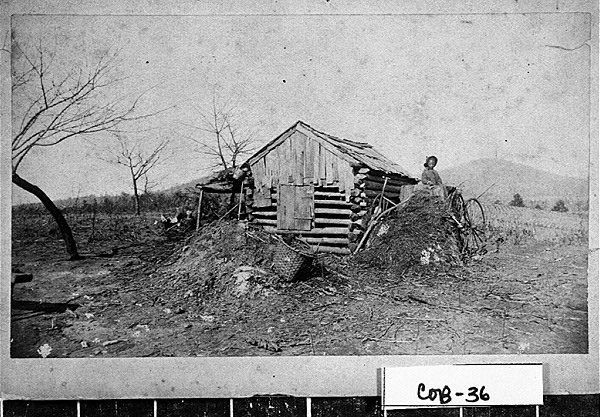
A corn crib and tool shed used by sharecroppers is pictured in Cobb County, circa 1890. In 1880 sharecroppers worked 32 percent of the farms in Georgia; thirty years later, that percentage had risen to 37 percent.

Courtesy of Georgia Archives, Vanishing Georgia, #
cob036.
View on partner site

The New Georgia Encyclopedia does not hold the copyright for this media resource and can neither grant nor deny permission to republish or reproduce the image online or in print. Requests for permission to publish or reproduce the resource should be submitted to the Georgia Archives.

  • Info Details
  • Citation Terms of Use

The New Georgia Encyclopedia does not hold the copyright for this media resource and can neither grant nor deny permission to republish or reproduce the image online or in print. All requests for permission to publish or reproduce the resource must be submitted to the rights holder.

Sharecroppers

Sharecroppers

  • Info Details
  • Citation Terms of Use

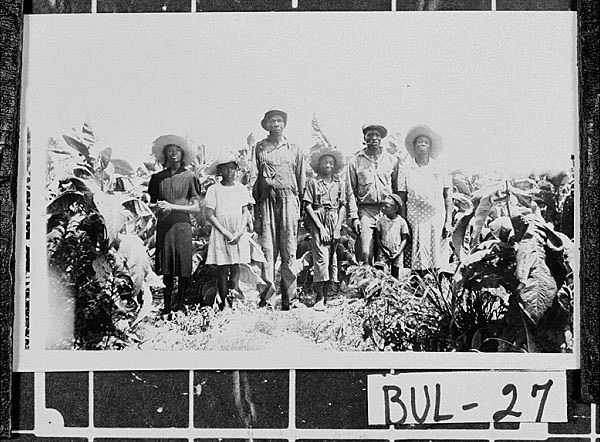
Sharecroppers pose in a Bulloch County tobacco field in 1949. The practice of sharecropping, which involved workers raising crops on someone else's farm in exchange for a portion of the harvest, developed in the years after the Civil War and persisted until the mid-twentieth century.

Courtesy of Georgia Archives, Vanishing Georgia, #
bul027.
View on partner site

The New Georgia Encyclopedia does not hold the copyright for this media resource and can neither grant nor deny permission to republish or reproduce the image online or in print. Requests for permission to publish or reproduce the resource should be submitted to the Georgia Archives.

Sharecroppers

Sharecroppers

  • Info Details
  • Citation Terms of Use

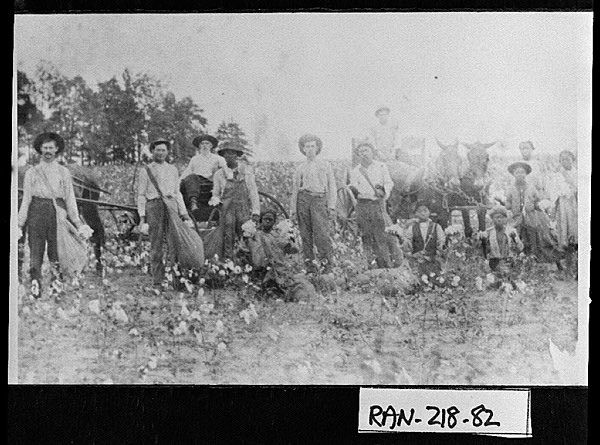
Sharecroppers, pictured in 1910, harvest cotton in Randolph County. Theoretically beneficial to both laborers and landowners, the sharecropping system typically left workers in deep debt to their landlords and creditors from one harvest season to the next.

Courtesy of Georgia Archives, Vanishing Georgia, #ran218-82.
View on partner site

The New Georgia Encyclopedia does not hold the copyright for this media resource and can neither grant nor deny permission to republish or reproduce the image online or in print. Requests for permission to publish or reproduce the resource should be submitted to the Georgia Archives.

Sharecroppers’ House

Sharecroppers’ House

  • Info Details
  • Citation Terms of Use

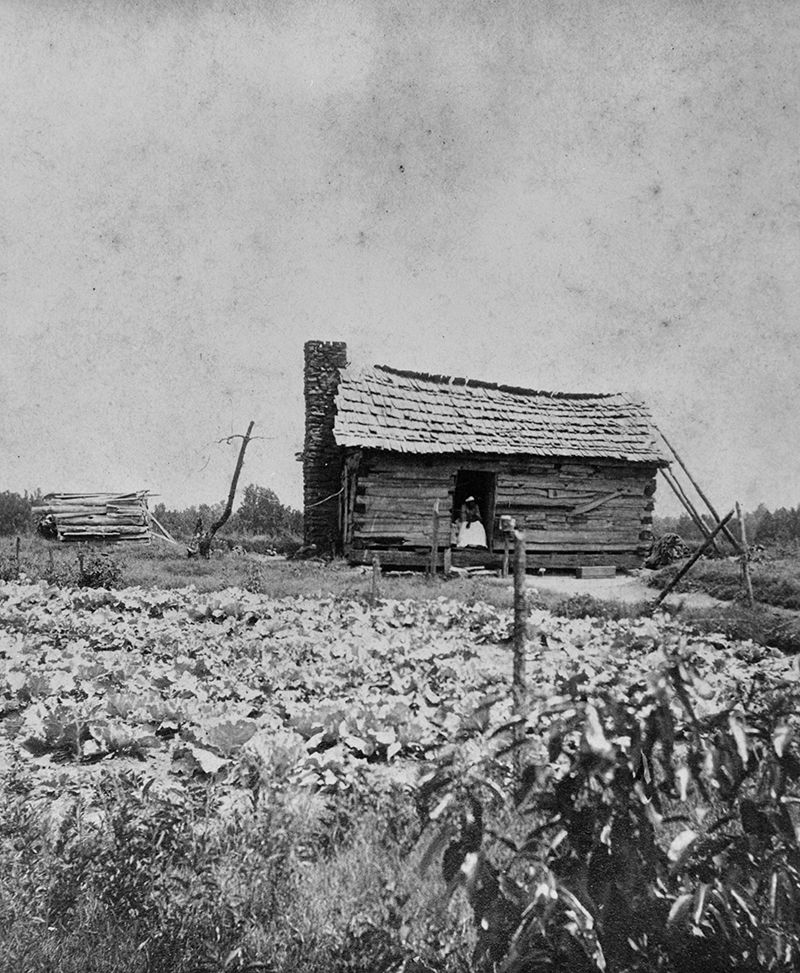
A sharecropper stands in the door of her Lowndes County home, circa 1910. In that year Black sharecroppers managed more than 106,000 farms in Georgia.

Courtesy of Georgia Archives, Vanishing Georgia, # low105.

View on partner site

The New Georgia Encyclopedia does not hold the copyright for this media resource and can neither grant nor deny permission to republish or reproduce the image online or in print. Requests for permission to publish or reproduce the resource should be submitted to the Georgia Archives.

Reconstruction School

Reconstruction School

  • Info Details
  • Citation Terms of Use

Many freedpeople took advantage of the educational opportunities offered to them during Reconstruction. Often affiliated with Black churches of the time, these schools were usually founded by teachers from the North.

The New Georgia Encyclopedia does not hold the copyright for this media resource and can neither grant nor deny permission to republish or reproduce the image online or in print. All requests for permission to publish or reproduce the resource must be submitted to the rights holder.

Herschel Johnson

Herschel Johnson

  • Info Details
  • Citation Terms of Use

Herschel Johnson led the state constitutional convention in 1865 in Milledgeville following the Civil War. Delegates to the convention drafted a new constitution that made several amendments, including the abolition of slavery, to the 1861 constitution.

Courtesy of Hargrett Rare Book and Manuscript Library, University of Georgia Libraries, Georgia Photo File.
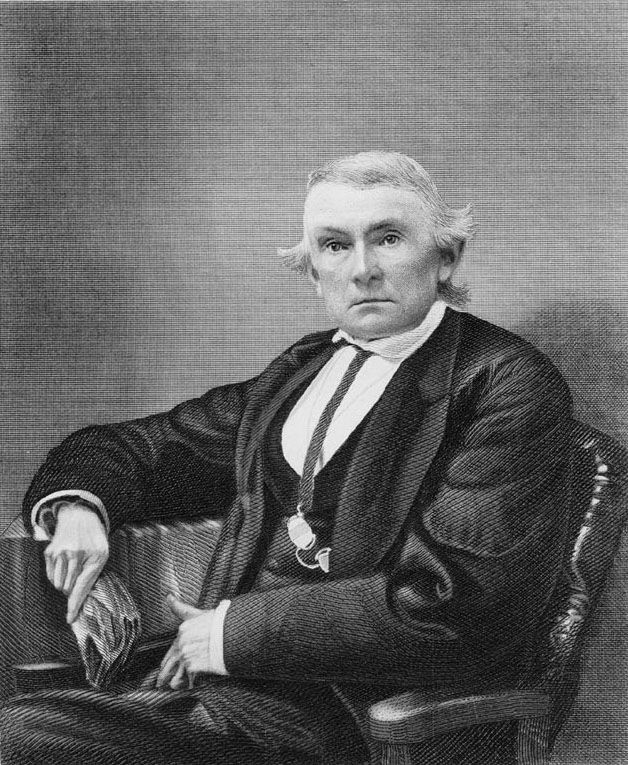
The New Georgia Encyclopedia does not hold the copyright for this media resource and can neither grant nor deny permission to republish or reproduce the image online or in print. Requests for permission to publish or reproduce the resource should be submitted to the Hargrett Manuscript and Rare Book Library at the University of Georgia.

Alexander Stephens

Alexander Stephens

  • Info Details
  • Citation Terms of Use

Alexander Stephens was selected in 1866 by the Georgia legislature to represent the state, along with Herschel Johnson, in the U.S. Senate. Because he had served as vice president of the Confederacy, however, the Senate did not allow Stephens to take his seat.
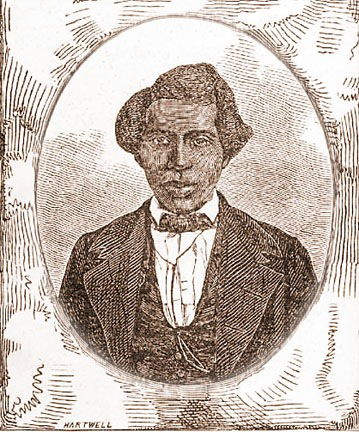
The New Georgia Encyclopedia does not hold the copyright for this media resource and can neither grant nor deny permission to republish or reproduce the image online or in print. All requests for permission to publish or reproduce the resource must be submitted to the rights holder.

Tunis Campbell

Tunis Campbell

  • Info Details
  • Citation Terms of Use

This sketch (circa 1848) of Tunis Campbell is the only known image of the prominent Black politician and minister. After serving as a Union chaplain during the Civil War, Campbell became a prominent leader of the Republican party in Georgia during Reconstruction.

Courtesy of Moorland-Spingarn Research Center, Howard University

The New Georgia Encyclopedia does not hold the copyright for this media resource and can neither grant nor deny permission to republish or reproduce the image online or in print. All requests for permission to publish or reproduce the resource must be submitted to the rights holder.

Amos T. Akerman

Amos T. Akerman

  • Info Details
  • Citation Terms of Use

Akerman was a Georgia lawyer who rose to prominence as U.S. attorney general during Reconstruction.

Courtesy of Hargrett Rare Book and Manuscript Library, University of Georgia Libraries, Georgia Photo File.

The New Georgia Encyclopedia does not hold the copyright for this media resource and can neither grant nor deny permission to republish or reproduce the image online or in print. Requests for permission to publish or reproduce the resource should be submitted to the Hargrett Manuscript and Rare Book Library at the University of Georgia.

William T. Sherman

William T. Sherman

  • Info Details
  • Citation Terms of Use

William T. Sherman issued Field Order No. 15 in January 1865, calling for the redistribution of confiscated Southern land to freedmen in forty-acre plots. The order was rescinded later that same year, and much of the land was returned to the original white owners.

From The History of the State of Georgia, by I. W. Avery
The New Georgia Encyclopedia does not hold the copyright for this media resource and can neither grant nor deny permission to republish or reproduce the image online or in print. All requests for permission to publish or reproduce the resource must be submitted to the rights holder.

Freedmen’s Bureau

Freedmen’s Bureau

  • Info Details
  • Citation Terms of Use

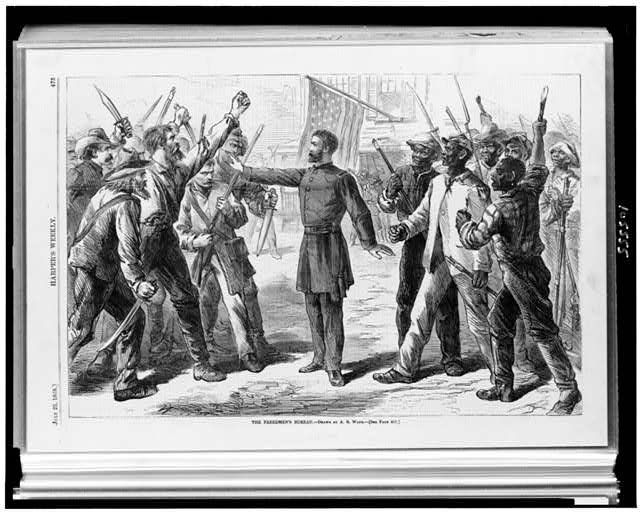
An 1868 sketch by A. R. Waud illustrates the difficulties faced by the Freedmen's Bureau, caught between white planters on one side (left) and formerly enslaved African Americans on the other (right). The bureau was established in 1865 after Union general William T. Sherman issued his Field Order No. 15, which called for the resettlement of freedpeople on confiscated lands.

Courtesy of Library of Congress, Prints and Photographs Division

The New Georgia Encyclopedia does not hold the copyright for this media resource and can neither grant nor deny permission to republish or reproduce the image online or in print. All requests for permission to publish or reproduce the resource must be submitted to the rights holder.

Linwood Cemetery

Linwood Cemetery

  • Info Details
  • Citation Terms of Use

The women of Columbus, led by Lizzie Rutherford, began to maintain the Confederate section of Linwood Cemetery shortly before the Civil War ended. Rutherford's efforts were among the earliest to foster a nostalgia for the prewar South that eventually culminated in what historians today term "Lost Cause religion."

Courtesy of Historic Linwood Foundation, Inc.

The New Georgia Encyclopedia does not hold the copyright for this media resource and can neither grant nor deny permission to republish or reproduce the image online or in print. All requests for permission to publish or reproduce the resource must be submitted to the rights holder.

Clement Evans

Clement Evans

  • Info Details
  • Citation Terms of Use

A proponent of the Lost Cause ideology, Clement Evans was a Civil War veteran, minister, student of military history, and cofounder of the United Confederate Veterans.

Courtesy of Hargrett Rare Book and Manuscript Library, University of Georgia Libraries, Georgia Photo File.

The New Georgia Encyclopedia does not hold the copyright for this media resource and can neither grant nor deny permission to republish or reproduce the image online or in print. Requests for permission to publish or reproduce the resource should be submitted to the Hargrett Manuscript and Rare Book Library at the University of Georgia.

  • Info Details
  • Citation Terms of Use

The New Georgia Encyclopedia does not hold the copyright for this media resource and can neither grant nor deny permission to republish or reproduce the image online or in print. All requests for permission to publish or reproduce the resource must be submitted to the rights holder.

Mildred Lewis Rutherford

Mildred Lewis Rutherford

  • Info Details
  • Citation Terms of Use

Mildred Lewis Rutherford, a teacher, historian, writer, and lecturer known primarily for her Confederate memorial activities, published a monthy periodical entitled Miss Rutherford's Scrap Book from 1923 to 1926.

From Miss Rutherford's Scrap Book, vol. 4, April 1923
The New Georgia Encyclopedia does not hold the copyright for this media resource and can neither grant nor deny permission to republish or reproduce the image online or in print. All requests for permission to publish or reproduce the resource must be submitted to the rights holder.

Stone Mountain Carving

Stone Mountain Carving

  • Info Details
  • Citation Terms of Use

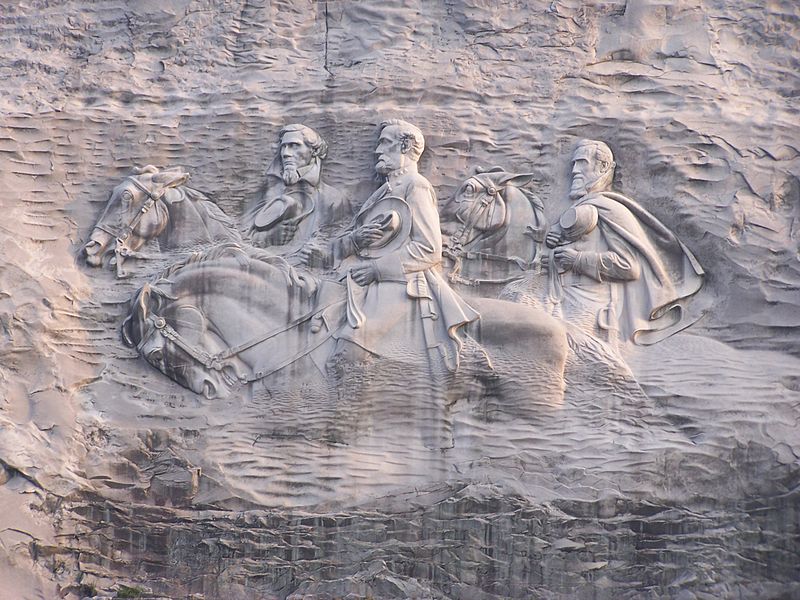
The carving on Stone Mountain depicts the Confederate icons Robert E. Lee, Thomas "Stonewall" Jackson, and Jefferson Davis. Commissioned by the president of the United Daughters of the Confederacy, the sculptor Gutzon Borglum began work on the relief in 1915. He was fired in 1925, and Augustus Lukeman completed the carving.

Photograph by Mark Griffin, Wikimedia
The New Georgia Encyclopedia does not hold the copyright for this media resource and can neither grant nor deny permission to republish or reproduce the image online or in print. All requests for permission to publish or reproduce the resource must be submitted to the rights holder.

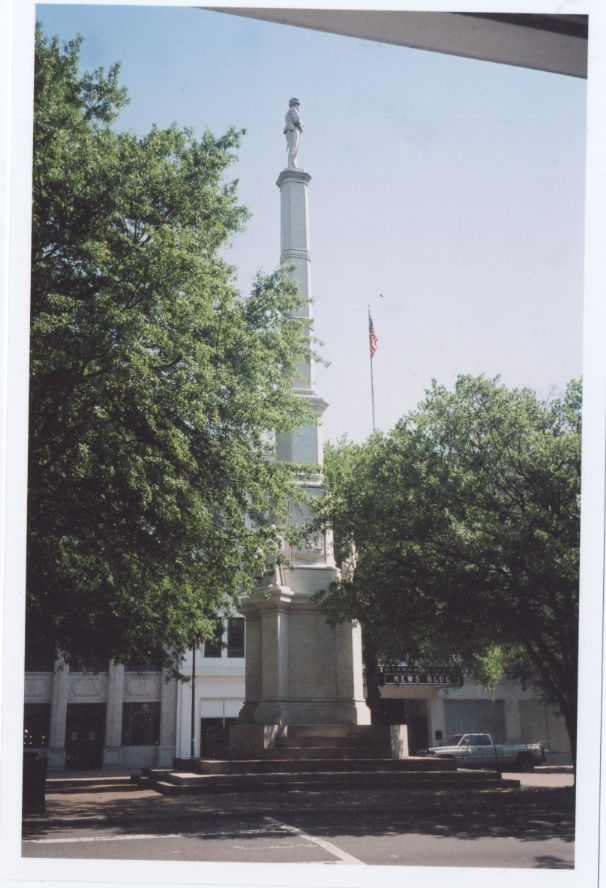
Augusta Confederate Monument

Augusta Confederate Monument

  • Info Details
  • Citation Terms of Use

The Augusta Confederate Monument in downtown Augusta bears an inscription that encapsulates the sentiments of the Lost Cause: "No Nation Rose So White and Fair; None Fell So Pure of Crime."

Photograph by Elisabeth Hughes, New Georgia Encyclopedia
The New Georgia Encyclopedia does not hold the copyright for this media resource and can neither grant nor deny permission to republish or reproduce the image online or in print. All requests for permission to publish or reproduce the resource must be submitted to the rights holder.

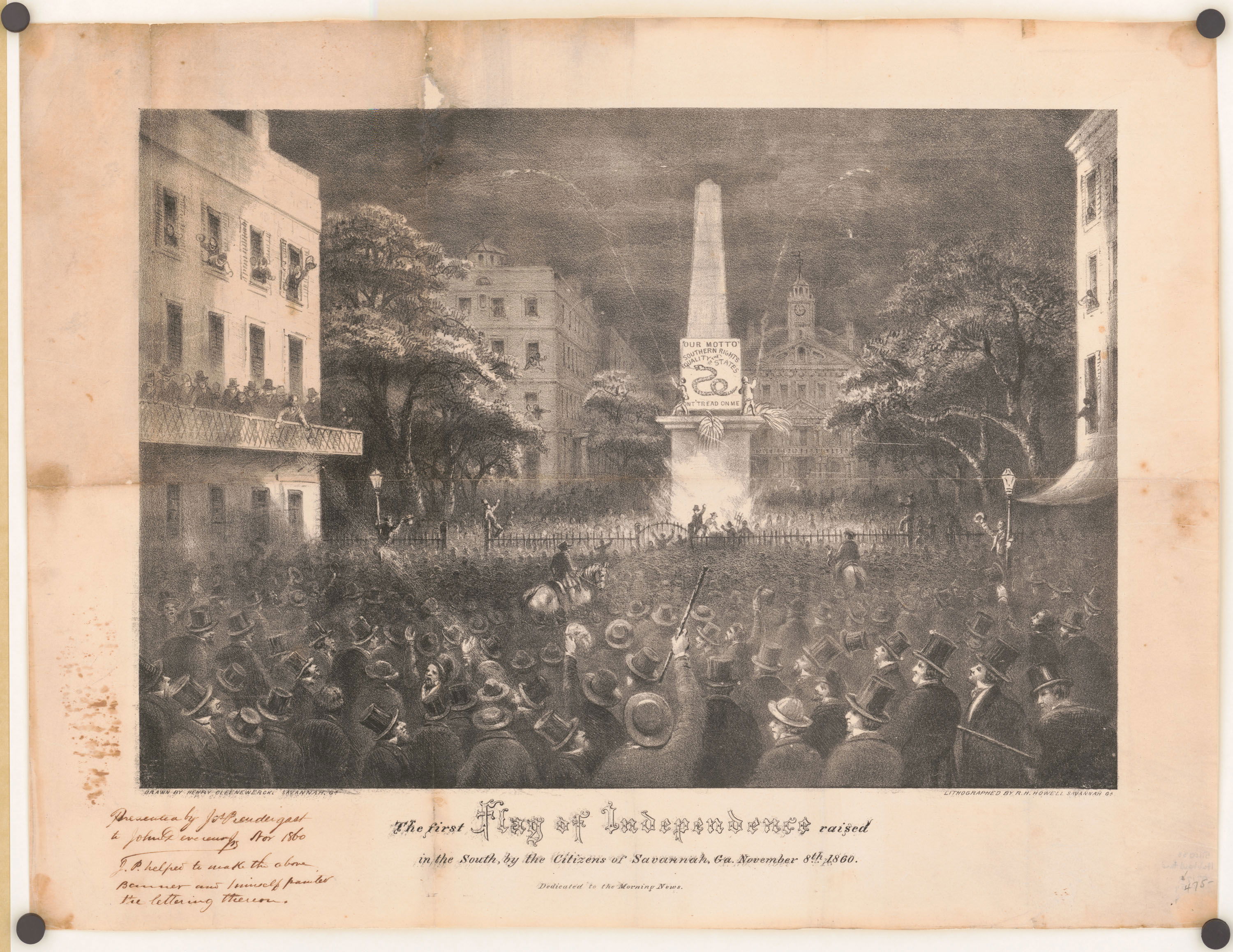
Flag of Independence

Flag of Independence

  • Info Details
  • Citation Terms of Use

A coiled rattlesnake and the words "Our Motto Southern Rights, Equality of the States, Don't Tread on Me" appeared on a flag raised in Savannah upon Abraham Lincoln's election as U.S. president in November 1860. The words, adapted from a Revolutionary War motto, suggest that secessionists drew parallels between southern independence from the Union and American independence from England.

Courtesy of Library of Congress, Prints and Photographs Division, Farm Security Administration - Office of War Information Photograph Collection, #LC-USF34- 051632-D [P&P] LOT 1541.

The New Georgia Encyclopedia does not hold the copyright for this media resource and can neither grant nor deny permission to republish or reproduce the image online or in print. All requests for permission to publish or reproduce the resource must be submitted to the rights holder.

Emancipation

Emancipation

  • Info Details
  • Citation Terms of Use

Thomas Nast's famous wood engraving originally appeared in Harper's Weekly on January 24, 1863. The liberation of the state's more than 400,000 enslaved African Americans began during the chaos of the Civil War and continued well into 1865. Blacks and whites struggled to lay the foundations for a new social order.

The New Georgia Encyclopedia does not hold the copyright for this media resource and can neither grant nor deny permission to republish or reproduce the image online or in print. All requests for permission to publish or reproduce the resource must be submitted to the rights holder.

Patience on a Monument

Patience on a Monument

  • Info Details
  • Citation Terms of Use

Detail from an 1868 Thomas Nast illustration. The monument reads, "The whipping post - hunted down with blood hounds - slavery for years - branded and manacled -- the auction block -- husband and wife, parent and child, sold apart. Daughters, mothers, wives, and sisters ruined." Nast aimed to arouse sympathy for freedpeople following emancipation.

From the Collection of the Smithsonian National Museum of African American History and Culture

View on source site

The New Georgia Encyclopedia does not hold the copyright for this media resource and can neither grant nor deny permission to republish or reproduce the image online or in print. All requests for permission to publish or reproduce the resource must be submitted to the rights holder.

  • Info Details
  • Citation Terms of Use

The New Georgia Encyclopedia does not hold the copyright for this media resource and can neither grant nor deny permission to republish or reproduce the image online or in print. All requests for permission to publish or reproduce the resource must be submitted to the rights holder.

Emancipation

Emancipation

  • Info Details
  • Citation Terms of Use

Detail from an 1863 Thomas Nast illustration depicting freedpeople after emancipation. Freedpeople set about defining the economic and social freedom they previously could only imagine.

Courtesy of The Metropolitan Museum of Art, Harris Brisbane Dick Fund, 1929.

The New Georgia Encyclopedia does not hold the copyright for this media resource and can neither grant nor deny permission to republish or reproduce the image online or in print. All requests for permission to publish or reproduce the resource must be submitted to the rights holder.

Freedmen’s Bureau

Freedmen’s Bureau

  • Info Details
  • Citation Terms of Use

An 1866 sketch depicts freedpeople drawing wages from the Freedmen's Bureau, which was established in March 1865 to assist in the transition from slavery to freedom.

From After the War, by Whitelaw Reid

The New Georgia Encyclopedia does not hold the copyright for this media resource and can neither grant nor deny permission to republish or reproduce the image online or in print. All requests for permission to publish or reproduce the resource must be submitted to the rights holder.

Battle of Atlanta

Battle of Atlanta

  • Info Details
  • Citation Terms of Use

This lithograph depicting the Battle of Atlanta and the death of Union general James McPherson was first published in 1888 by Louis Kurz and Alexander Allison. The battle occurred on July 22, 1864, during Union general William T. Sherman's Atlanta campaign.
Courtesy of Hargrett Rare Book and Manuscript Library, University of Georgia Libraries.

The New Georgia Encyclopedia does not hold the copyright for this media resource and can neither grant nor deny permission to republish or reproduce the image online or in print. Requests for permission to publish or reproduce the resource should be submitted to the Hargrett Manuscript and Rare Book Library at the University of Georgia.

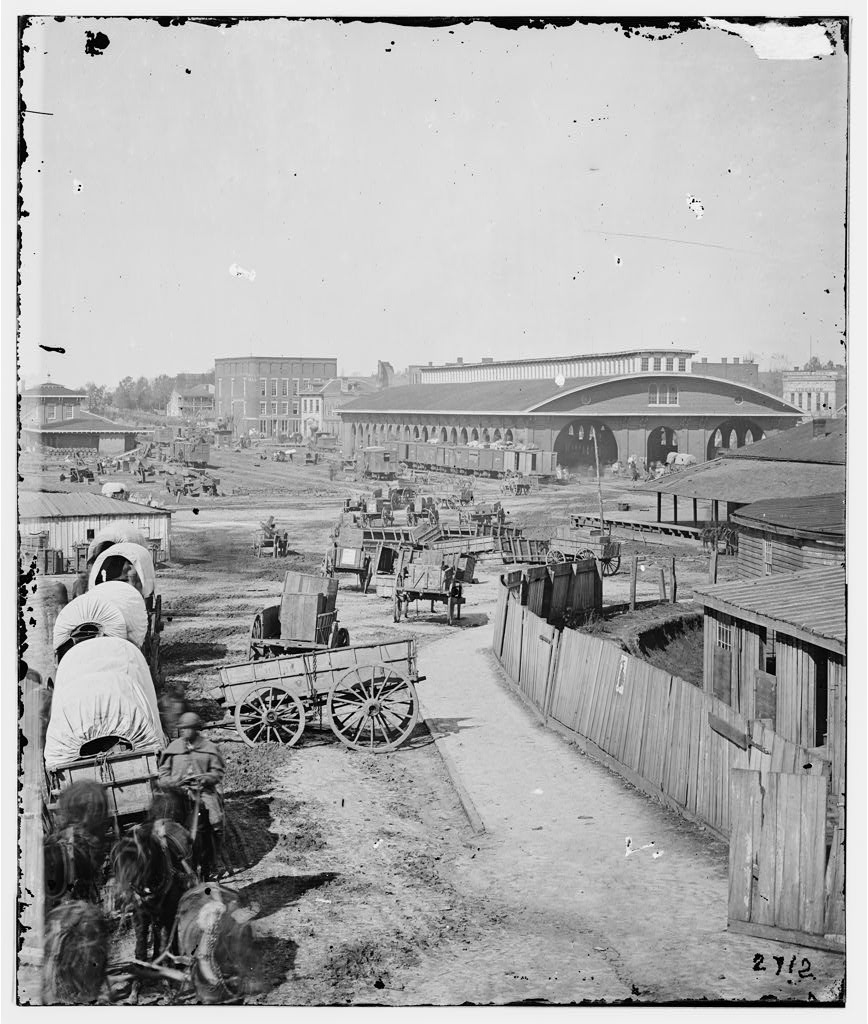
Atlanta’s Railroads

Atlanta’s Railroads

  • Info Details
  • Citation Terms of Use

The railroads leading into and out of Atlanta made the city an important military supply center. The Union employed several key strategies against Atlanta's railroads during the Civil War.

Courtesy of Library of Congress, Prints and Photographs division

View on source site

The New Georgia Encyclopedia does not hold the copyright for this media resource and can neither grant nor deny permission to republish or reproduce the image online or in print. All requests for permission to publish or reproduce the resource must be submitted to the rights holder.

Battle of Atlanta

Battle of Atlanta

  • Info Details
  • Citation Terms of Use

Confederate preparations for a system of defense against the Union forces included a fortified perimeter around Atlanta, which was ten miles in circumference and positioned about a mile outside of the city.

From Photographic Views of Sherman's Campaign, by G. N. Barnard

The New Georgia Encyclopedia does not hold the copyright for this media resource and can neither grant nor deny permission to republish or reproduce the image online or in print. All requests for permission to publish or reproduce the resource must be submitted to the rights holder.

  • Info Details
  • Citation Terms of Use

The New Georgia Encyclopedia does not hold the copyright for this media resource and can neither grant nor deny permission to republish or reproduce the image online or in print. All requests for permission to publish or reproduce the resource must be submitted to the rights holder.

Battle of Atlanta

Battle of Atlanta

  • Info Details
  • Citation Terms of Use

An illustration from the summer 1893 issue of Leslie's Illustrated shows the Battle of Atlanta, with Kennesaw Mountain in the background.

Courtesy of Georgia Historical Society.

The New Georgia Encyclopedia does not hold the copyright for this media resource and can neither grant nor deny permission to republish or reproduce the image online or in print. All requests for permission to publish or reproduce the resource must be submitted to Georgia Historical Society.

Atlanta in Ruins

Atlanta in Ruins

  • Info Details
  • Citation Terms of Use

An illustration, originally from Harper's New Monthly (October 1865), depicts Atlanta after the evacuation of Confederate troops in late 1864.

From Harper's New Monthly Magazine, v.31 (June-Nov 1865)
View on source site

The New Georgia Encyclopedia does not hold the copyright for this media resource and can neither grant nor deny permission to republish or reproduce the image online or in print. All requests for permission to publish or reproduce the resource must be submitted to the rights holder.

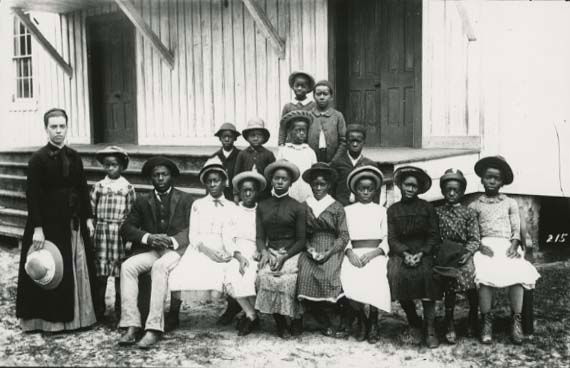
Liberty County Schoolchildren

Liberty County Schoolchildren

  • Info Details
  • Citation Terms of Use

African American schoolchildren are pictured in Liberty County, circa 1890. The Freedmen's Bureau established numerous schools in Georgia from 1865 to 1870, and local education societies continued to administer the schools after the bureau's closure.

Courtesy of Hargrett Rare Book and Manuscript Library, University of Georgia Libraries.

The New Georgia Encyclopedia does not hold the copyright for this media resource and can neither grant nor deny permission to republish or reproduce the image online or in print. Requests for permission to publish or reproduce the resource should be submitted to the Hargrett Manuscript and Rare Book Library at the University of Georgia.

  • Info Details
  • Citation Terms of Use

The New Georgia Encyclopedia does not hold the copyright for this media resource and can neither grant nor deny permission to republish or reproduce the image online or in print. All requests for permission to publish or reproduce the resource must be submitted to the rights holder.

Wartime Education

Wartime Education

  • Info Details
  • Citation Terms of Use

An engraving published in 1863 depicts a teacher instructing African American children in Virginia during the Civil War. Schools for Black students in Georgia were operated secretly before the war, when teaching enslaved people to read was against the law.

Image from American Antiquarian Society

The New Georgia Encyclopedia does not hold the copyright for this media resource and can neither grant nor deny permission to republish or reproduce the image online or in print. All requests for permission to publish or reproduce the resource must be submitted to the rights holder.

General William T. Sherman Turnwold Plantation Margaret Mitchell A Distant Flame Bread Riots Kennesaw Mountain Reminiscences of My Life in Camp
Sam Richards’s Civil War Diary On the Plantation William T. Sherman
Journal of a Landlady
Andersonville Prison as seen by John L. Ransom Railroad Destruction Guerrilla Warfare Joseph E. Brown Joseph Wheeler Sherman’s March to the Sea W. T. Wofford Henry M. Judah Secession Ordinance Robert Toombs Refugees on March to the Sea Marching through Georgia Augusta Confederate Monument
Rome Confederate Monument Chickamauga Confederate Monument Savannah Confederate Monument LaFayette Confederate Monument USS Water Witch Renactment Crew on Water Witch Water Witch Replica Confederate Earthwork
Schofield’s Iron Works New Manchester Mill Ruins Confederate Powder Works George W. Rains Pistol Factory Parrott Gun Confederate Soldier in Uniform Sherman’s Troops Veterans’ Gun Drill CSS Savannah Explodes Voter Registration James M. Smith Rufus Bullock Confederate Gold
Sharecroppers’ Shed
Sharecroppers Sharecroppers Sharecroppers’ House Reconstruction School Herschel Johnson Alexander Stephens Tunis Campbell Amos T. Akerman William T. Sherman Freedmen’s Bureau Linwood Cemetery Clement Evans
Mildred Lewis Rutherford Stone Mountain Carving Augusta Confederate Monument Flag of Independence Emancipation Patience on a Monument
Emancipation Freedmen’s Bureau Battle of Atlanta Atlanta’s Railroads Battle of Atlanta
Battle of Atlanta Atlanta in Ruins Liberty County Schoolchildren
Wartime Education