Skip to content
New Georgia Encyclopedia
  • Home
  • Articles & Media
  • Browse by Topic
  • Browse Collections
  • Browse Georgia Standards
  • A-Z Index
  • Exhibitions
  • Educators
  • Browse    Chevron down
  • Exhibitions
  • Educators
By Topic Content Collections Georgia Standards A-Z Index Arrow right
  • Arts & Culture

    Arts & Culture

  • Business & Economy

    Business & Economy

  • Counties, Cities & Neighborhoods

    Counties, Cities & Neighborhoods

  • Education

    Education

  • Geography & Environment

    Geography & Environment

  • Government & Politics

    Government & Politics

  • History & Archaeology

    History & Archaeology

  • People

    People

  • Science & Medicine

    Science & Medicine

  • Sports & Outdoor Recreation

    Sports & Outdoor Recreation

Stamp Collection
Featured

Stamp Collection

Stamps honoring the political figures, artists, and culture of Georgia.

Frankie Welch’s Americana
Featured

Frankie Welch’s Americana

Fashion and politics from Georgia-born designer Frankie Welch

Recently Added
View All Arrow right
City Page: Atlanta

City Page: Atlanta

Stamp Collection

Stamp Collection

Frankie Welch’s Americana

Frankie Welch’s Americana

  • Georgia Studies

    Georgia Studies

    Eighth Grade
  • Georgia, My State

    Georgia, My State

    Second Grade
All Topics Arrow right Arts & Culture Arrow right Architecture & Historic Preservation Arrow right Architecture: Design Arrow right

Late Victorian Period

Charles E. Choate

Charles E. Choate

1865-1929
W. T. Downing

W. T. Downing

1865-1918
Henrietta Dozier

Henrietta Dozier

1872-1947
J. W. Golucke

J. W. Golucke

1857-1907
Alexander Hamilton and Son

Alexander Hamilton and Son

Late Victorian Architecture

Late Victorian Architecture

Overview
Neel Reid

Neel Reid

1885-1926
Loading
Star

Featured Content

Harriet Powers

Harriet Powers

People
Civil Rights Movement

Civil Rights Movement

Mid- to Late 20th Century Topics
Trending

Trending

Nancy Harts Militia

Nancy Harts Militia

Civil War & Reconstruction Groups & Organizations
Georgia Guidestones

Georgia Guidestones

Sites & Museums
Coleman Barks

Coleman Barks

People
Harriet Powers

Harriet Powers

People
Clock

Updated Recently

Dougherty County

Dougherty County

4 days ago
Mary Frances Early

Mary Frances Early

4 days ago
Darton State College

Darton State College

6 days ago
Georgia Southwestern State University

Georgia Southwestern State University

1 week ago

A More Perfect Union

The New Georgia Encyclopedia is supported by funding from A More Perfect Union, a special initiative of the National Endowment for the Humanities.

Learn More
New Georgia Encyclopedia
ISSN 2765-8732
Project Partners
logo-press UGA Press logo-galileo GALILEO logo-humanities Georgia Humanities logo-seal Office of the Governor logo-libraries UGA Libraries
Articles & Media
  • Browse by Topic
  • Content Collections
  • Georgia Standards
Special Content
  • Quizzes
  • Exhibitions
  • Spotify Playlists
  • Georgia Exhibits
  • Educator Resources
About
  • The Project
  • The People
  • Sponsors & Partners
Editorial
  • Our Process
  • Contributor Info
  • Permissions & Use
Stay in Touch
Facebook Instagram Twitter Contact Us
Donate to the NGE

Your support helps us commission new entries and update existing content.

Donate

© 2004–2026 Georgia Humanities, University of Georgia Press

  • Terms of Use
  • Privacy Policy

Media gallery

  • Info Details
  • Citation Terms of Use

The New Georgia Encyclopedia does not hold the copyright for this media resource and can neither grant nor deny permission to republish or reproduce the image online or in print. All requests for permission to publish or reproduce the resource must be submitted to the rights holder.

Alexander D. Hamilton

Alexander D. Hamilton

  • Info Details
  • Citation Terms of Use

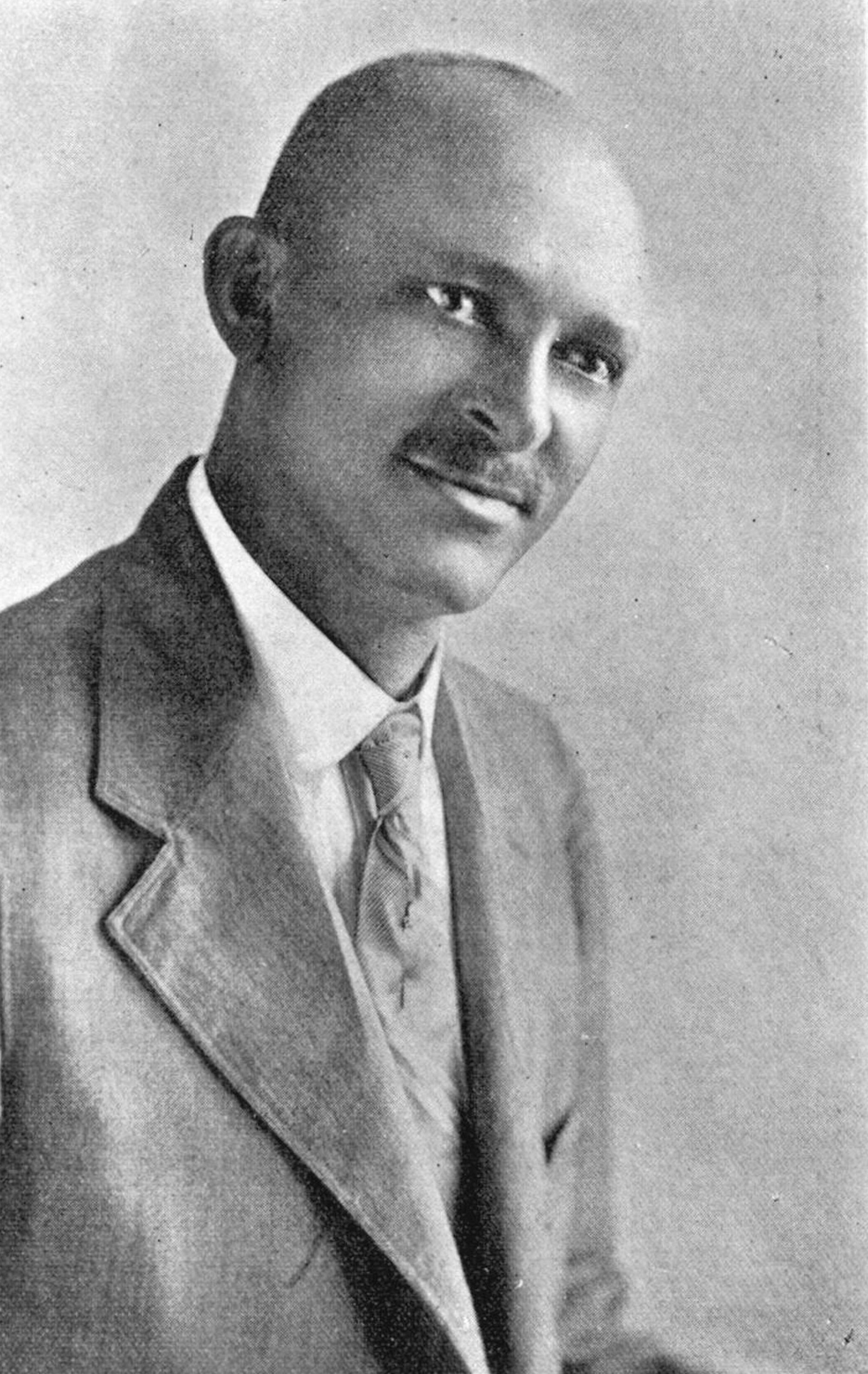
Prominent Atlanta builder Alexander D. Hamilton, circa 1919. Hamilton and his father, Alexander Hamilton, formed the contracting firm Alexander Hamilton and Son in 1890.

Image from Richardson, Clement , ed. (1919) The National Cyclopedia of the Colored Race, Montgomery: National Publishing Company, Inc.
The New Georgia Encyclopedia does not hold the copyright for this media resource and can neither grant nor deny permission to republish or reproduce the image online or in print. All requests for permission to publish or reproduce the resource must be submitted to the rights holder.

  • Info Details
  • Citation Terms of Use

The New Georgia Encyclopedia does not hold the copyright for this media resource and can neither grant nor deny permission to republish or reproduce the image online or in print. All requests for permission to publish or reproduce the resource must be submitted to the rights holder.

J. W. Golucke

J. W. Golucke

  • Info Details
  • Citation Terms of Use

J. W. Golucke was born in June 1857. Working from Atlanta, he built thirty-one county courthouses in Georgia and Alabama. 

Courtesy of Union County Historical Society

The New Georgia Encyclopedia does not hold the copyright for this media resource and can neither grant nor deny permission to republish or reproduce the image online or in print. All requests for permission to publish or reproduce the resource must be submitted to the rights holder.

A stone courthouse in black and white with Greek columns and a dome.

The Fourth DeKalb County Courthouse

  • Info Details
  • Citation Terms of Use

J.W. Golucke and G.W. Steward designed DeKalb County’s fourth courthouse, which was built by 1898. It had a dome and four portico entrances, each with a pediment in the Greek temple style. Unfortunately, a fire in 1916 destroyed much of the building’s interior. When it was rebuilt, the stone walls were preserved, and the clocks, which were originally housed in the dome, were placed in the building’s pediments.

Courtesy of Georgia Archives, Vanishing Georgia, #dek080-85.

View on partner site

The New Georgia Encyclopedia does not hold the copyright for this media resource and can neither grant nor deny permission to republish or reproduce the image online or in print. Requests for permission to publish or reproduce the resource should be submitted to the Georgia Archives.

Coweta County Courthouse

Coweta County Courthouse

  • Info Details
  • Citation Terms of Use

The Coweta County courthouse, located in Newnan, was built in 1904. The structure, designed by J. W. Golucke in the neoclassical revival style, was refurbished in 1975, and both its interior and exterior were rehabilitated in 1989-90.

Courtesy of Don Bowman

The New Georgia Encyclopedia does not hold the copyright for this media resource and can neither grant nor deny permission to republish or reproduce the image online or in print. All requests for permission to publish or reproduce the resource must be submitted to the rights holder.

Henry County Courthouse

Henry County Courthouse

  • Info Details
  • Citation Terms of Use

The Henry County Courthouse in McDonough, designed in the Romanesque revival style by architect J. W. Golucke, was completed in 1897. A Confederate monument stands in front of the courthouse, which was placed on the National Register of Historic Places in 1980.

Courtesy of Don Bowman

The New Georgia Encyclopedia does not hold the copyright for this media resource and can neither grant nor deny permission to republish or reproduce the image online or in print. All requests for permission to publish or reproduce the resource must be submitted to the rights holder.

Fitzpatrick Hotel

Fitzpatrick Hotel

  • Info Details
  • Citation Terms of Use

The Fitzpatrick Hotel, pictured in 2006, is a historic hotel in Washington, the seat of Wilkes County. The building, constructed in 1898, is credited to architect J. W. Golucke, a native of Wilkes County.

Courtesy of the Fitzpatrick Hotel

The New Georgia Encyclopedia does not hold the copyright for this media resource and can neither grant nor deny permission to republish or reproduce the image online or in print. All requests for permission to publish or reproduce the resource must be submitted to the rights holder.

Charles E. Choate

Charles E. Choate

  • Info Details
  • Citation Terms of Use

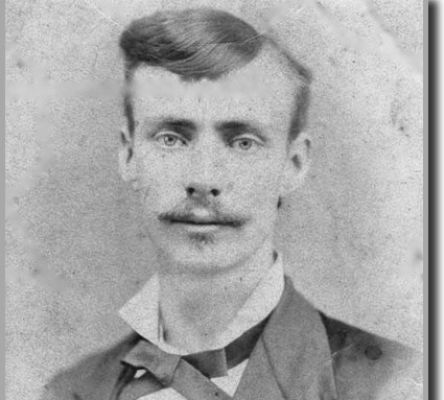
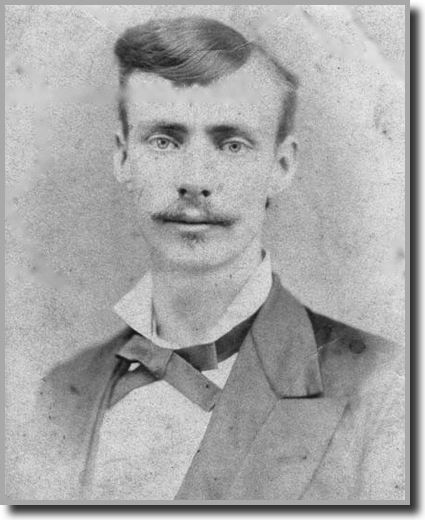
Charles E. Choate, a native of Houston County, was a Methodist minister and architect in the late nineteenth and early twentieth centuries. He designed several churches throughout the state, as well as commercial buildings and residences, particularly in Washington County.

Courtesy of the Washington County Chamber of Commerce
The New Georgia Encyclopedia does not hold the copyright for this media resource and can neither grant nor deny permission to republish or reproduce the image online or in print. All requests for permission to publish or reproduce the resource must be submitted to the rights holder.

Tennille Baptist Church

Tennille Baptist Church

  • Info Details
  • Citation Terms of Use

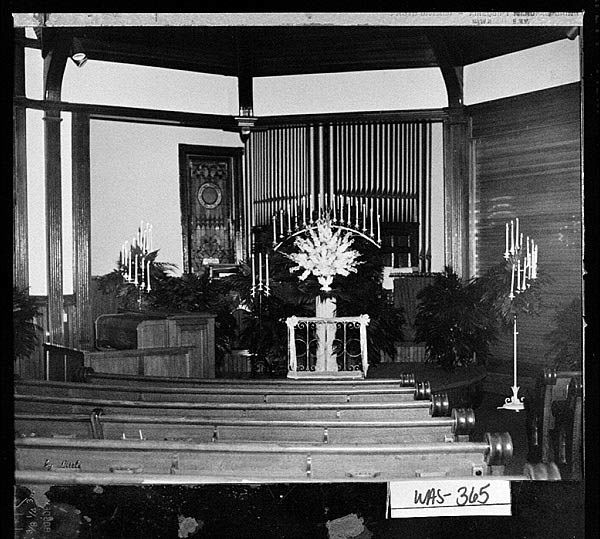
Tennille Baptist Church, pictured in the 1960s, was built in Washington County in 1900. The building was designed in the Romanesque revival style by Georgia architect Charles E. Choate, who was also a Methodist minister.

Courtesy of Georgia Archives, Vanishing Georgia, #was365.
View on partner site

The New Georgia Encyclopedia does not hold the copyright for this media resource and can neither grant nor deny permission to republish or reproduce the image online or in print. Requests for permission to publish or reproduce the resource should be submitted to the Georgia Archives.

Tennille Banking Company

Tennille Banking Company

  • Info Details
  • Citation Terms of Use

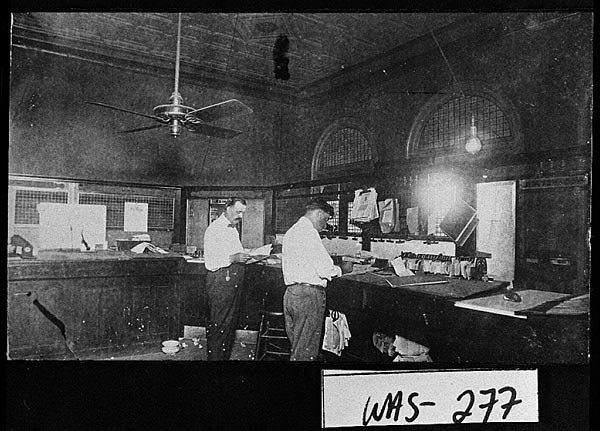
The building for the Tennille Banking Company, pictured circa 1915, was designed by Georgia architect Charles E. Choate and completed in 1900. The building was added to the National Register of Historic Places in 1994.

Courtesy of Georgia Archives, Vanishing Georgia, #
was277.

View on partner site

The New Georgia Encyclopedia does not hold the copyright for this media resource and can neither grant nor deny permission to republish or reproduce the image online or in print. Requests for permission to publish or reproduce the resource should be submitted to the Georgia Archives.

Virginia Highland Bungalow

Virginia Highland Bungalow

  • Info Details
  • Citation Terms of Use

Built in the 1920s on Rupley Street in Virginia Highland, an Atlanta neighborhood, this home is an example of the architecture inspired by Gustav Stickley through his magazine, The Craftsman, published from 1901 until 1916.

Courtesy of Atlanta Journal-Constitution.

The New Georgia Encyclopedia does not hold the copyright for this media resource and can neither grant nor deny permission to republish or reproduce the image online or in print. All requests for permission to publish or reproduce the resource must be submitted to the Atlanta Journal-Constitution.

Savannah Post Office

Savannah Post Office

  • Info Details
  • Citation Terms of Use

The post office in Savannah, pictured circa 1900, was built in 1898 at the corner of Bull and Whitaker streets. Architect William Aiken designed the building in the Renaissance-revival style.

Courtesy of Georgia Archives, Vanishing Georgia, # ctm087.

View on partner site

The New Georgia Encyclopedia does not hold the copyright for this media resource and can neither grant nor deny permission to republish or reproduce the image online or in print. Requests for permission to publish or reproduce the resource should be submitted to the Georgia Archives.

Sand Hills

Sand Hills

  • Info Details
  • Citation Terms of Use

Women play badminton at the home of Dr. Hickman in Sand Hills, an Augusta neighborhood, circa 1898. During the late Victorian period (1895-1920), smaller cottages in the Sand Hills area were replaced with larger homes.

Courtesy of Georgia Archives, Vanishing Georgia, # ric158.

View on partner site

The New Georgia Encyclopedia does not hold the copyright for this media resource and can neither grant nor deny permission to republish or reproduce the image online or in print. Requests for permission to publish or reproduce the resource should be submitted to the Georgia Archives.

Ansley Park

Ansley Park

  • Info Details
  • Citation Terms of Use

Ansley Park, a late-Victorian suburban development in Atlanta, was established in 1904. During the first two decades of the twentieth century, several new neighborhoods grew up around downtown Atlanta, including Druid Hills, Morningside, Garden Hills, and Brookwood.

Image from Warren LeMay

View on source site

The New Georgia Encyclopedia does not hold the copyright for this media resource and can neither grant nor deny permission to republish or reproduce the image online or in print. All requests for permission to publish or reproduce the resource must be submitted to the rights holder.

Ponce de Leon Apartments

Ponce de Leon Apartments

  • Info Details
  • Citation Terms of Use

The Ponce de Leon Apartments, designed by W. L. Stoddart and completed in 1913, was the premier apartment building in Atlanta during the late Victorian period.

Courtesy of Atlanta Journal-Constitution.

The New Georgia Encyclopedia does not hold the copyright for this media resource and can neither grant nor deny permission to republish or reproduce the image online or in print. All requests for permission to publish or reproduce the resource must be submitted to the Atlanta Journal-Constitution.

  • Info Details
  • Citation Terms of Use

The New Georgia Encyclopedia does not hold the copyright for this media resource and can neither grant nor deny permission to republish or reproduce the image online or in print. All requests for permission to publish or reproduce the resource must be submitted to the rights holder.

Windsor Hotel

Windsor Hotel

  • Info Details
  • Citation Terms of Use

The Windsor Hotel (1892) in Americus was designed by G. L. Norrman in the Queen Anne style. It was conceived as an attraction for wealthy northerners looking for summer accommodations. The hotel was renovated and restored in the early 1990s.

Image from Wikimedia Commons

The New Georgia Encyclopedia does not hold the copyright for this media resource and can neither grant nor deny permission to republish or reproduce the image online or in print. All requests for permission to publish or reproduce the resource must be submitted to the rights holder.

  • Info Details
  • Citation Terms of Use

The New Georgia Encyclopedia does not hold the copyright for this media resource and can neither grant nor deny permission to republish or reproduce the image online or in print. All requests for permission to publish or reproduce the resource must be submitted to the rights holder.

Briarcliff Hotel

Briarcliff Hotel

  • Info Details
  • Citation Terms of Use

The Briarcliff Hotel in Atlanta, pictured in 1979, was designed by G. Lloyd Preacher. Also known as the "Seven Fifty," the hotel was built on the corner of Ponce de Leon and North Highland avenues in 1924-25.

Courtesy of Atlanta Journal-Constitution.

The New Georgia Encyclopedia does not hold the copyright for this media resource and can neither grant nor deny permission to republish or reproduce the image online or in print. All requests for permission to publish or reproduce the resource must be submitted to the Atlanta Journal-Constitution.

Equitable Building

Equitable Building

  • Info Details
  • Citation Terms of Use

Considered to be Atlanta's first skyscraper, the eight-story Equitable Building (1892, razed in 1971) was designed by John Wellborn Root in the Chicago School style. It was the first fireproof office building in the Southeast, and is the only building Root designed in Georgia.

Courtesy of Library of Congress, Prints and Photographs Division, Historic American Buildings Survey, #HABS GA,61-ATLA,13--1.

The New Georgia Encyclopedia does not hold the copyright for this media resource and can neither grant nor deny permission to republish or reproduce the image online or in print. All requests for permission to publish or reproduce the resource must be submitted to the rights holder.

Flatiron Building

Flatiron Building

  • Info Details
  • Citation Terms of Use

The Flatiron Building, pictured in 1911, is the oldest standing skyscraper in Atlanta. Built in 1897, the building was designed by Bradford Gilbert, a New York architect.

Courtesy of Atlanta Journal-Constitution.

The New Georgia Encyclopedia does not hold the copyright for this media resource and can neither grant nor deny permission to republish or reproduce the image online or in print. All requests for permission to publish or reproduce the resource must be submitted to the Atlanta Journal-Constitution.

Savannah Volunteer Guards Armory

Savannah Volunteer Guards Armory

  • Info Details
  • Citation Terms of Use

The Savannah Volunteer Guards Armory (photographed here circa 1902) was designed by William G. Preston in the Romanesque revival style. The Savannah College of Art and Design purchased the Bull Street structure in 1979. After restoration, the building was renamed Poetter Hall for two of the school's cofounders.

Courtesy of Georgia Southern University, Image from Art Work of Savannah and Augusta, Georgia

The New Georgia Encyclopedia does not hold the copyright for this media resource and can neither grant nor deny permission to republish or reproduce the image online or in print. All requests for permission to publish or reproduce the resource must be submitted to the rights holder.

  • Info Details
  • Citation Terms of Use

The New Georgia Encyclopedia does not hold the copyright for this media resource and can neither grant nor deny permission to republish or reproduce the image online or in print. All requests for permission to publish or reproduce the resource must be submitted to the rights holder.

Carnegie Education Pavilion

Carnegie Education Pavilion

  • Info Details
  • Citation Terms of Use

From left (inside arch), Corporation for Olympic Development in Atlanta president Clara Axam, Georgia State University president Carl Patton, Atlanta mayor Bill Campbell, and Spelman College president Johnnetta Cole attend the 1997 dedication of the Carnegie Education Pavilion in Atlanta. The arch, designed by Henri Jova, incorporates a fragment of the Carnegie Library, built in Atlanta by Ackerman and Ross in 1900-1902.

Courtesy of Atlanta Journal-Constitution.

The New Georgia Encyclopedia does not hold the copyright for this media resource and can neither grant nor deny permission to republish or reproduce the image online or in print. All requests for permission to publish or reproduce the resource must be submitted to the Atlanta Journal-Constitution.

Peachtree Arcade

Peachtree Arcade

  • Info Details
  • Citation Terms of Use

Evangelist minister Billy Graham holds a noon prayer meeting at the Peachtree Arcade in Atlanta during his six-week crusade to the city in 1950. The arcade, built in 1916-17, is an example of the Beaux-Arts style of architecture popular during the late Victorian period. It was designed by A. Ten Eyck Brown, a prominent Atlanta architect.

Courtesy of Atlanta Journal-Constitution.

The New Georgia Encyclopedia does not hold the copyright for this media resource and can neither grant nor deny permission to republish or reproduce the image online or in print. All requests for permission to publish or reproduce the resource must be submitted to the Atlanta Journal-Constitution.

Atlanta Terminal Station

Atlanta Terminal Station

  • Info Details
  • Citation Terms of Use

Atlanta's Terminal Station, pictured in 1955, was designed in the Beaux-Arts style by P. Thornton Marye. Completed in 1905, the station was renovated and expanded in 1947.

Courtesy of Atlanta Journal-Constitution.

The New Georgia Encyclopedia does not hold the copyright for this media resource and can neither grant nor deny permission to republish or reproduce the image online or in print. All requests for permission to publish or reproduce the resource must be submitted to the Atlanta Journal-Constitution.

Federal Reserve Bank Building

Federal Reserve Bank Building

  • Info Details
  • Citation Terms of Use

Henrietta Dozier, the first female architect in Georgia, served as associate and supervising architect for the Federal Reserve Bank of Atlanta, constructed in 1923-24 in Jacksonville, Florida. The exterior of the building, which was designed in a Neoclassical Revival style, has remained nearly unchanged since the time of its completion.

From Jacksonville's Architectural Heritage, by W. W. Wood. Photograph by Judy Davis and David Vedas

The New Georgia Encyclopedia does not hold the copyright for this media resource and can neither grant nor deny permission to republish or reproduce the image online or in print. All requests for permission to publish or reproduce the resource must be submitted to the rights holder.

Henrietta Dozier

Henrietta Dozier

  • Info Details
  • Citation Terms of Use

Henrietta Dozier was the first woman in Georgia to work as a professional architect, and she was a founding member of the Atlanta Chapter of the American Institute of Architects. Dozier designed several buildings in Atlanta between 1901 and 1916, including the Episcopal Chapel for the All Saints Episcopal Church and the Southern Ruralist Building.

From Jacksonville's Architectural Heritage, by W. W. Wood

The New Georgia Encyclopedia does not hold the copyright for this media resource and can neither grant nor deny permission to republish or reproduce the image online or in print. All requests for permission to publish or reproduce the resource must be submitted to the rights holder.

W. T. Downing

W. T. Downing

  • Info Details
  • Citation Terms of Use

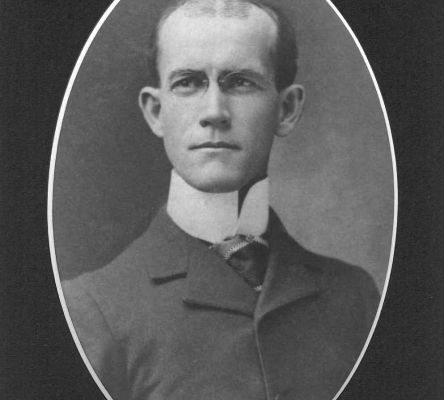
Atlanta architect W. T. Downing built his reputation on a wide range of designs that included stylish homes, intricate churches, tall office buildings, and collegiate architecture.

The New Georgia Encyclopedia does not hold the copyright for this media resource and can neither grant nor deny permission to republish or reproduce the image online or in print. All requests for permission to publish or reproduce the resource must be submitted to the rights holder.

William P. Nicolson House

William P. Nicolson House

  • Info Details
  • Citation Terms of Use

The William P. Nicolson House (1892), located on Piedmont Avenue in the Midtown neighborhood of Atlanta, is one of only a few remaining examples of W. T. Downing's residential architecture.

Photograph by Juli Kearns (Idyllopus)
View on source site

The New Georgia Encyclopedia does not hold the copyright for this media resource and can neither grant nor deny permission to republish or reproduce the image online or in print. All requests for permission to publish or reproduce the resource must be submitted to the rights holder.

  • Info Details
  • Citation Terms of Use

The New Georgia Encyclopedia does not hold the copyright for this media resource and can neither grant nor deny permission to republish or reproduce the image online or in print. All requests for permission to publish or reproduce the resource must be submitted to the rights holder.

Lupton Hall, Oglethorpe University

Lupton Hall, Oglethorpe University

  • Info Details
  • Citation Terms of Use

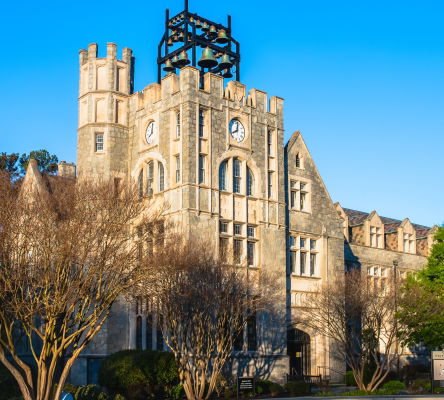
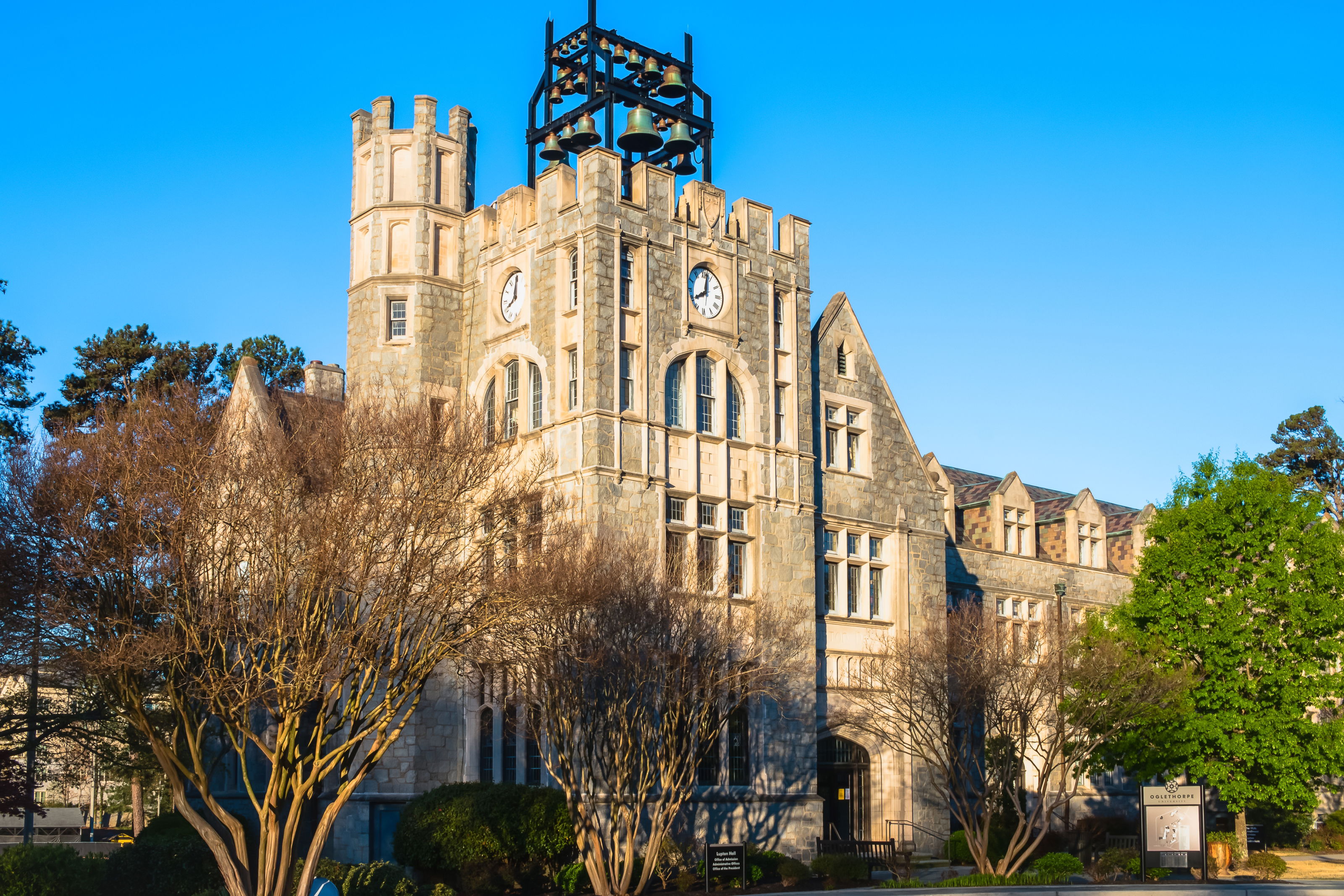
Though designed by W. T. Downing, Lupton Hall (1920) at Oglethorpe University in Atlanta wasn't completed until after his death. Other school designs by Downing include buildings at Georgia Institute of Technology in Atlanta, Shorter University in Rome, and the University of Tennessee at Chattanooga.

Image from Distinguished Reflections

View on source site

The New Georgia Encyclopedia does not hold the copyright for this media resource and can neither grant nor deny permission to republish or reproduce the image online or in print. All requests for permission to publish or reproduce the resource must be submitted to the rights holder.

Wimbish House (Atlanta Woman’s Club)

Wimbish House (Atlanta Woman’s Club)

  • Info Details
  • Citation Terms of Use

Among W. T. Downing's best-known surviving houses in Atlanta is the Wimbish House (1898, later Atlanta Woman's Club) in the French Renaissance Revival (or Chateauesque) style.

Image from JJonahJackalope, Wikimedia Commons

View on source site

The New Georgia Encyclopedia does not hold the copyright for this media resource and can neither grant nor deny permission to republish or reproduce the image online or in print. All requests for permission to publish or reproduce the resource must be submitted to the rights holder.

  • Info Details
  • Citation Terms of Use

The New Georgia Encyclopedia does not hold the copyright for this media resource and can neither grant nor deny permission to republish or reproduce the image online or in print. All requests for permission to publish or reproduce the resource must be submitted to the rights holder.

Neel Reid

Neel Reid

  • Info Details
  • Citation Terms of Use

Neel Reid was the best-known residential architect in Atlanta in the early twentieth century.
Courtesy of Hargrett Rare Book and Manuscript Library, University of Georgia Libraries.

The New Georgia Encyclopedia does not hold the copyright for this media resource and can neither grant nor deny permission to republish or reproduce the image online or in print. Requests for permission to publish or reproduce the resource should be submitted to the Hargrett Manuscript and Rare Book Library at the University of Georgia.

  • Info Details
  • Citation Terms of Use

The New Georgia Encyclopedia does not hold the copyright for this media resource and can neither grant nor deny permission to republish or reproduce the image online or in print. All requests for permission to publish or reproduce the resource must be submitted to the rights holder.

  • Info Details
  • Citation Terms of Use

The New Georgia Encyclopedia does not hold the copyright for this media resource and can neither grant nor deny permission to republish or reproduce the image online or in print. All requests for permission to publish or reproduce the resource must be submitted to the rights holder.

Massee Apartment Building

Massee Apartment Building

  • Info Details
  • Citation Terms of Use

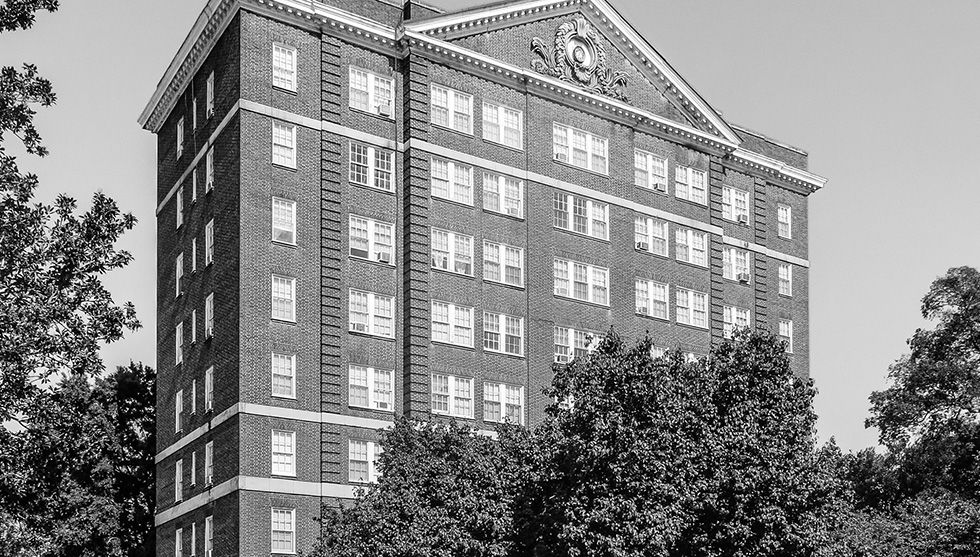
The Massee Apartment Building in Macon is one of Hentz, Reid, and Adler's many notable commercial buildings in the state.

Image from The Massee

The New Georgia Encyclopedia does not hold the copyright for this media resource and can neither grant nor deny permission to republish or reproduce the image online or in print. All requests for permission to publish or reproduce the resource must be submitted to the rights holder.

  • Info Details
  • Citation Terms of Use

The New Georgia Encyclopedia does not hold the copyright for this media resource and can neither grant nor deny permission to republish or reproduce the image online or in print. All requests for permission to publish or reproduce the resource must be submitted to the rights holder.

Brooks Hall

Brooks Hall

  • Info Details
  • Citation Terms of Use

Brooks Hall, designed by prominent Atlanta architect Neel Reid, was built in 1928 on the north campus of the University of Georgia in Athens. The building houses the Terry College of Business, which was founded in 1912 as the School of Commerce.

Image from Coxonian

The New Georgia Encyclopedia does not hold the copyright for this media resource and can neither grant nor deny permission to republish or reproduce the image online or in print. All requests for permission to publish or reproduce the resource must be submitted to the rights holder.

Alexander D. Hamilton
J. W. Golucke A stone courthouse in black and white with Greek columns and a dome. Coweta County Courthouse Henry County Courthouse Fitzpatrick Hotel Charles E. Choate Tennille Baptist Church Tennille Banking Company Virginia Highland Bungalow Savannah Post Office Sand Hills Ansley Park Ponce de Leon Apartments
Windsor Hotel
Briarcliff Hotel Equitable Building Flatiron Building Savannah Volunteer Guards Armory
Carnegie Education Pavilion Peachtree Arcade Atlanta Terminal Station Federal Reserve Bank Building Henrietta Dozier W. T. Downing William P. Nicolson House
Lupton Hall, Oglethorpe University Wimbish House (Atlanta Woman’s Club)
Neel Reid
Massee Apartment Building
Brooks Hall